Tag: Wine

  • How to experience Groot Constantia’s visitor’s route

    How to experience Groot Constantia’s visitor’s route

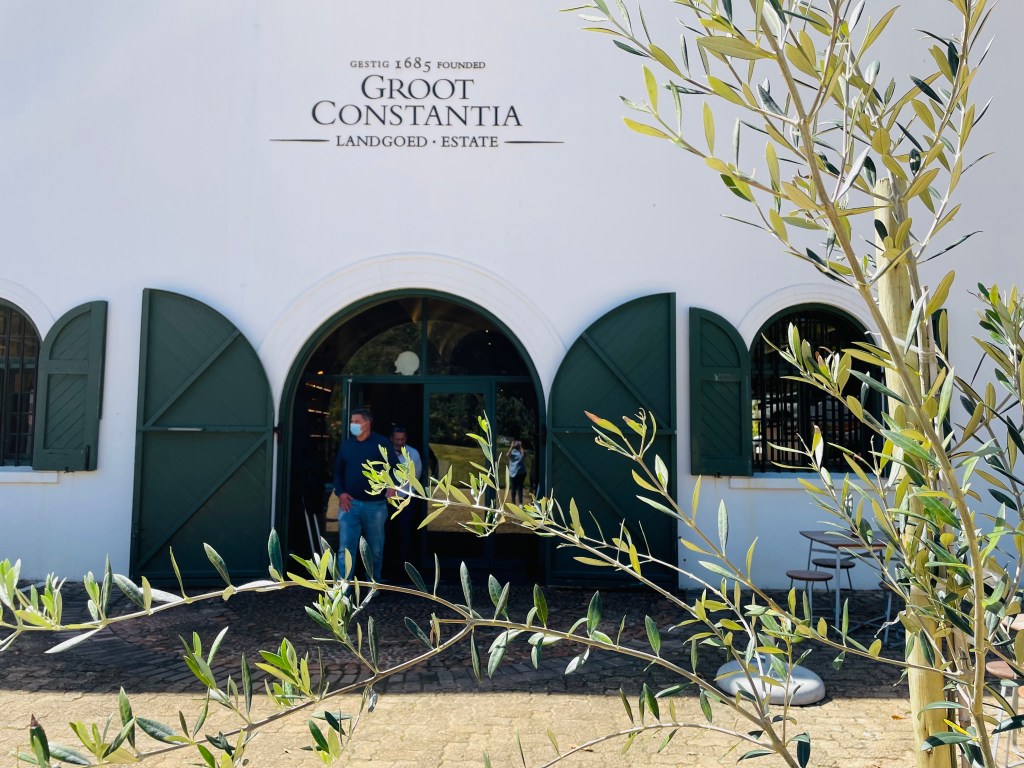
    Before the pandemic hit, Groot Constantia saw over 400 000 visitors per annum. Today the number of tourists both local and international are starting to pick up and the estate is abuzz with excitement again. While the estate is renowned for award-winning wines and of course has
    the prestigious title of one of South Africa’s oldest working wine estates, many are unaware that there is much more to explore at Groot Constantia.

    What is the Visitor’s Route?

    Groot Constantia’s Visitor’s Route is a result of years of hard work and extensive planning. The attraction is a slightly recent addition to the estate which is a family-friendly self-guided tour, which follows a specially designed circular route through Groot Constantia’s key attractions.
    Starting at the original Manor house, the tour takes guests to the famed Cloete Cellar, the original wine production cellar from 1791, and the birthplace of Grand Constance – the original sweet wines of Constantia that are famed as being Napoleon’s tipple of choice – ordering 30 bottles a month during his exile on St Helena Island. The Cloete Cellar now houses a wine museum and tasting room and here one can enjoy a wine tasting with your own Spiegelau
    crystal glass to take home as a special keepsake. From there, guests then head over to the modern Production Cellar, which is the departure point for the self-guided cellar and vineyard audio tours.”

    The birthplace of wine tourism


    Fun fact: Wine Tourism was originally initiated at Groot Constantia in the 1700s, with the first wine route directions drawn up for the benefit of visitors in that era. Over 300 years later and the estate continues to move from strength to strength and the Visitors Route is a natural extension, and a necessary step to hone its tourism offerings. The Visitor’s route is a monument not only to Groot Constantia but to South African wine production and its global fame.
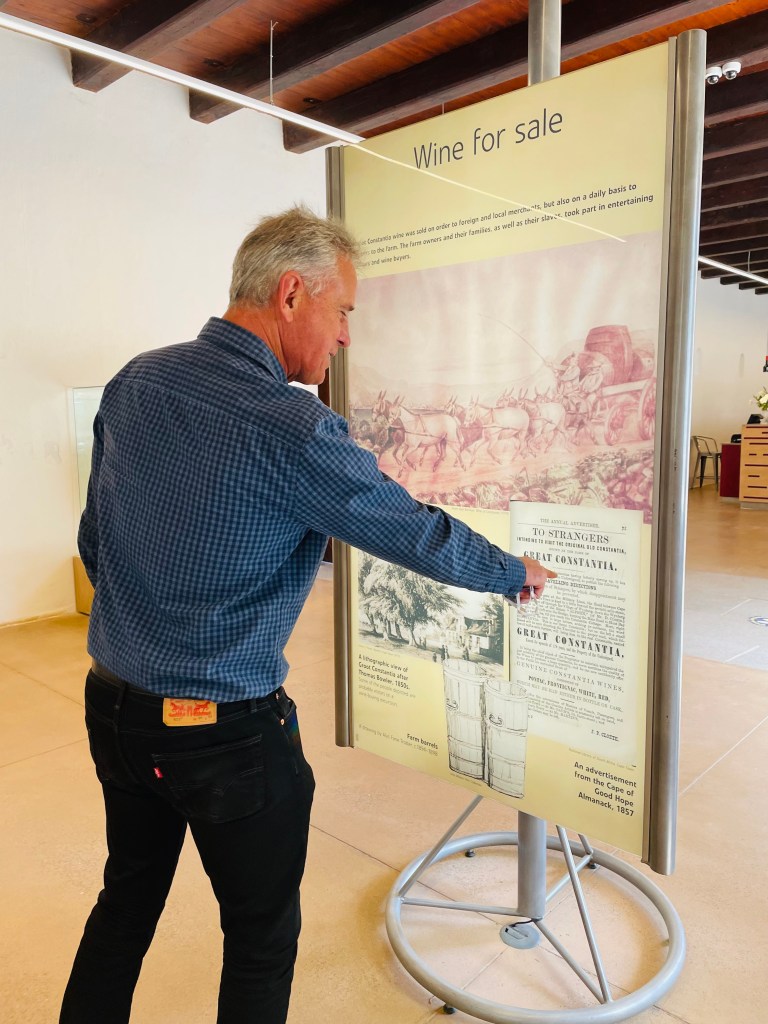
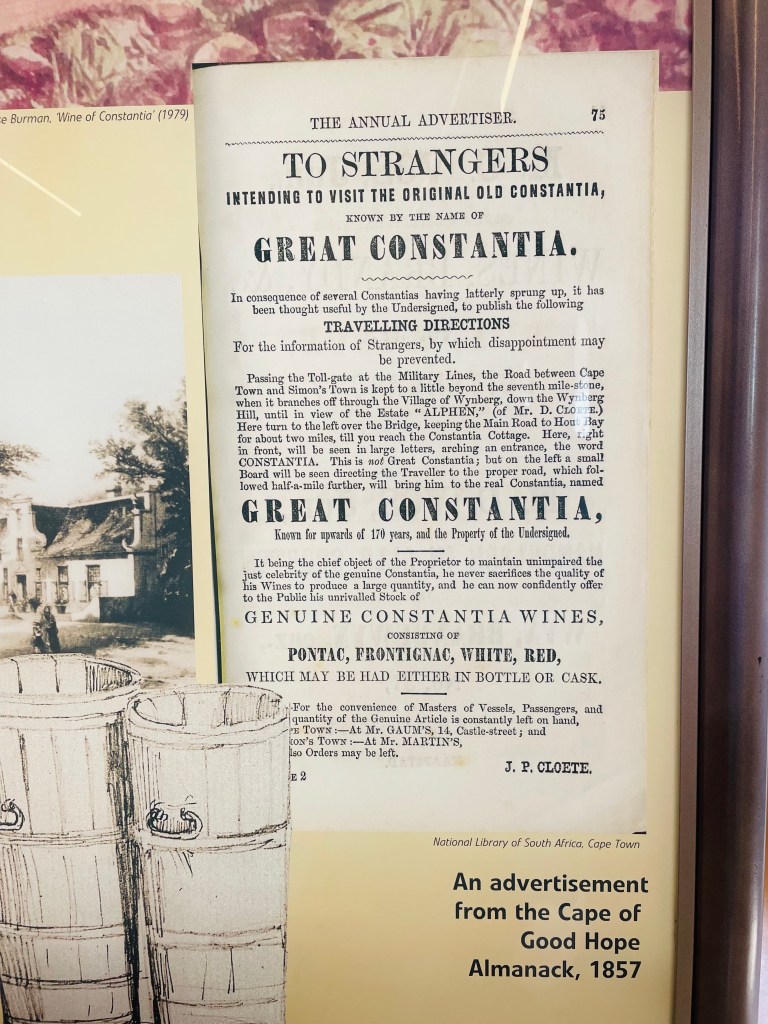
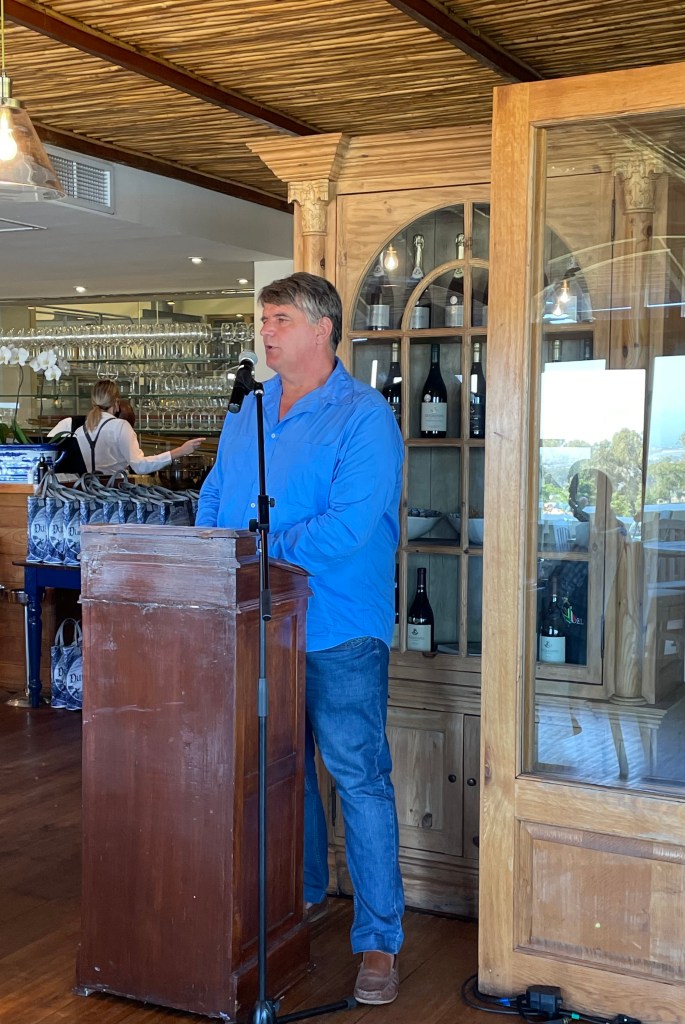
    (Pictured here is Jean Naudé, CEO of Groot Constantia explaining the significance of the first wine route directions and the first advertisement for the Constantia wine route).


    What to do after the Visitor’s Route?
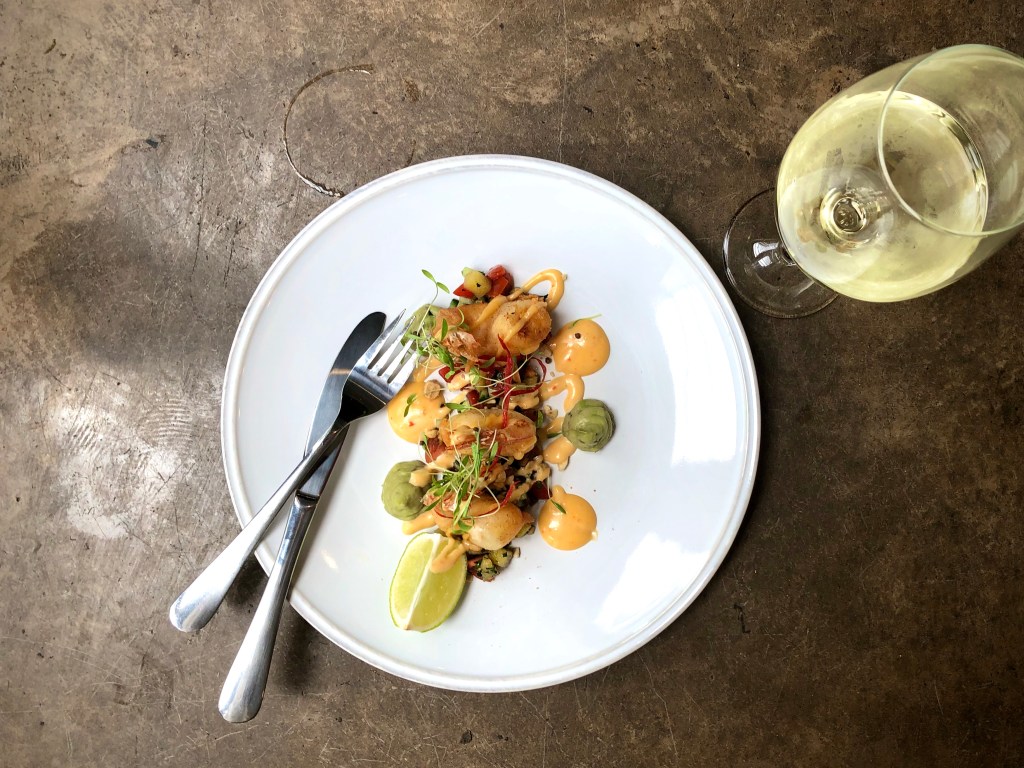

    Sip and Savour
    Visit one or all three of the estate’s tasting rooms (the Cloete Cellar included in the Visitor’s route) to get a taste of greatness and history.

    Dine with Groot Constantia Wine

    The famed estate plays host to two fabulous restaurants, namely Jonkershuis and Simon’s. Both have cozy indoor spaces to dine in or choose an alfresco set up to enjoy the beautiful view of the Constantia valley. The Jonkershuis eatery is known for its fresh and seasonal diverse range of local cuisine on offer – which never misses a beat! Simon’s has a more casual setup and is now under new management with new offerings on hand. Both restaurants are certainly a culinary experience.


    For more information visit http://www.grootconstantia.co.za or connect with Groot Constantia via social media on Twitter, Facebook and Instagram @GrootConstantia. To make a reservation at Jonkershuis contact+27 21 794-6255, or reservations@jhuis.co.za.

    To book at Simon’s contact
    +27 21 794-1143 or email info@simons.co.za.

    Although pre-booking is not necessary for the Visitors Route Experience, tickets can be pre-purchased from Webtickets (https://www.webtickets.co.za/event.aspx?itemid=1465426753). Alternatively, just arrive and purchase your ticket directly from Groot Constantia on the day. A ticket, which costs R95, provides access to the Manor House and Museum, the Cloete Cellar and Museum, a souvenir Spiegelau crystal wine glass, a wine tasting, and two audio walking tours.


    Take a step back into time and experience the visitor’s route this coming weekend.
  • NEWS: Backsberg’s new official look and home

    NEWS: Backsberg’s new official look and home

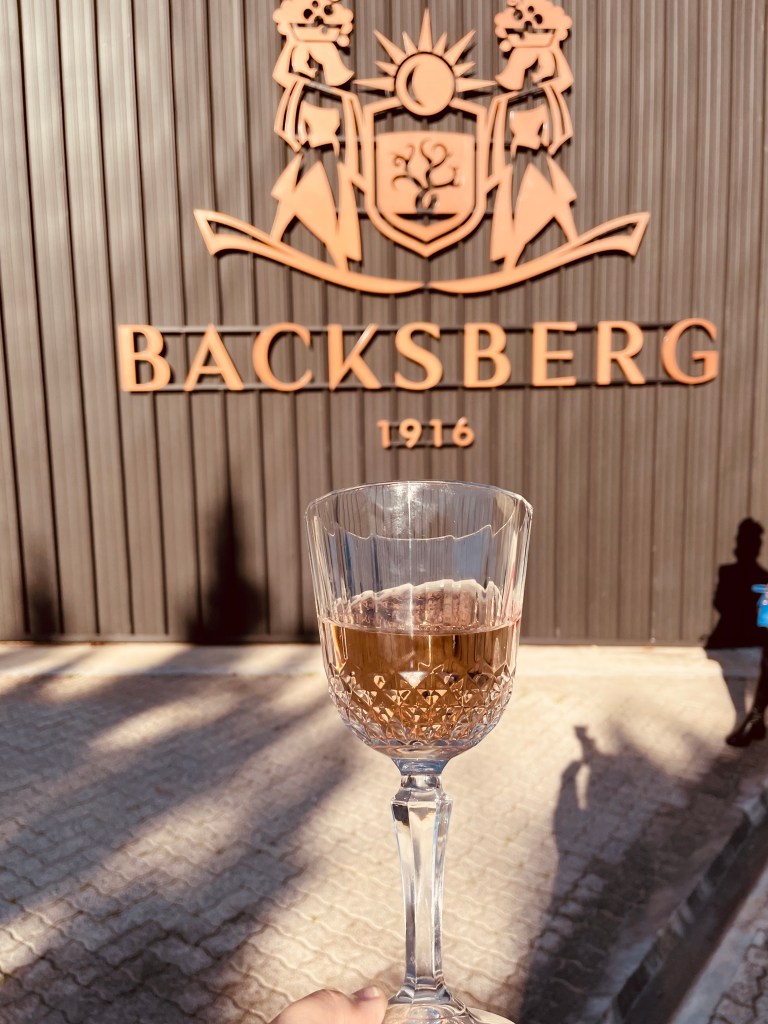
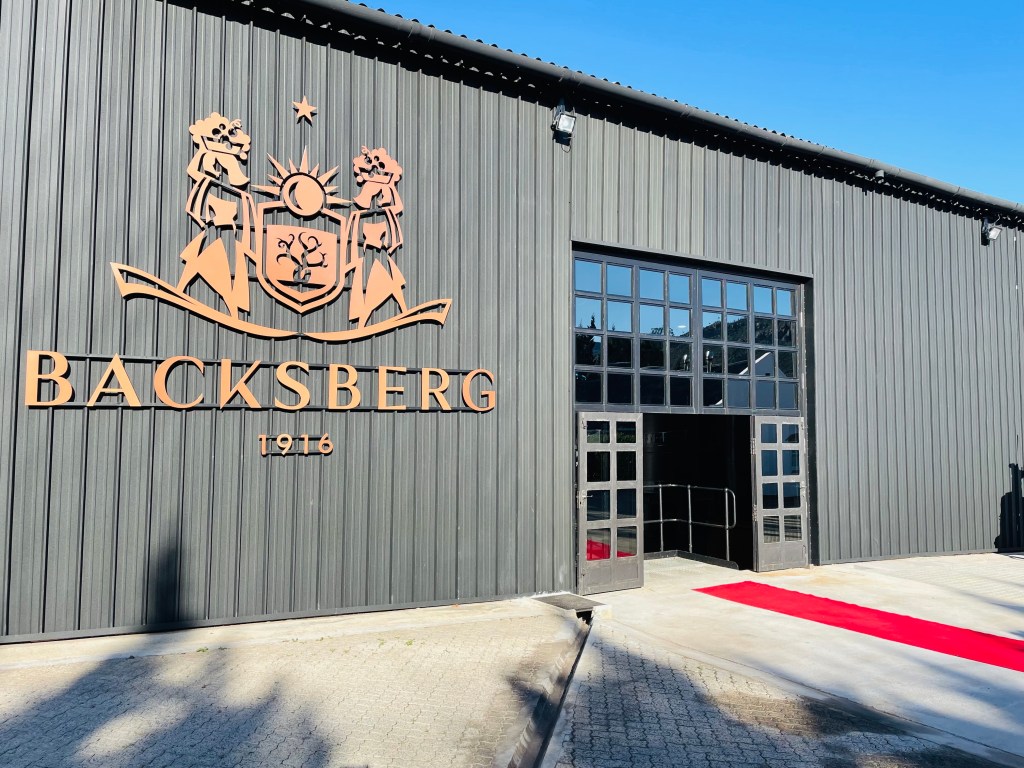
    Revitalised and reimagined, Backsberg has re-launched their brand, cellar and brand home. Now situated in Franschhoek, wine lovers can enjoy a refreshed portfolio of Backsberg wines – with a contemporary look and feel – from their new tasting facility, which overlooks the majestic Mont Rochelle Mountain Range. I attended the launch of their new home this week, and what a fabulous venue it is. A beautiful mix of historic nostalgia and modern opulence.

    Believing in always forging ahead, this update of the Backsberg Brand was inspired by DGB acquiring a majority shareholding and the start of a new journey as ‘Backsberg Family Wines’ with Simon Back representing the family on the board. “For more than a century Backsberg has been an iconic brand in the Cape Wine industry and we are excited to share our new direction for the winery which celebrates generations of family tradition in a modern and contemporary way”, says Tim Hutchinson, Executive Chairman of DGB. 

    Paying homage to the original Backs wine label that was prominent prior to the 1970s, the new Backsberg logo focuses on embodying the brand values in a timeless design. 

    Backberg’s new portfolio of wines includes three collections – Fifth Generation, Family Tree and Patriarch. In the Fifth Generation you’ll find 9 predominantly single varietal wines, each named after a special and significant place on the farm – Gravel Road Chenin Blanc, Hillside Sauvignon Blanc, Citrus Hill Chardonnay, Summer Berry Rosé, Ella Pinotage Rosé, Old Cellar Dry Red, Blueberry Row Pinotage, Plum Valley Merlot and Four Pillars Cabernet Sauvignon. Here you’ll find an offering of easy-drinking, exceptional wines with fresh and exciting flavours. 

    For life’s special moments, the Family Tree range includes the John Martin Cabernet Sauvignon Merlot blend, Pumphouse Shiraz and the Smuggled Vines Chardonnay – a collection which honours the people and places which have made significant contributions to the wineries history. 

    The Patriarch, Backsberg Family Wines’ hero bottle of Cabernet Franc, pays special tribute to the Iconic winemaking legend, Sydney Back. It upholds a strong sense of tradition and inclusivity of all members of the Backsberg family – from in the vineyards to around the dinner table. The complete range of Backsberg wines will be verified as “Carbon Neutral” by the end of July and a decal on each bottle will highlight this recognition and commitment to the environment.

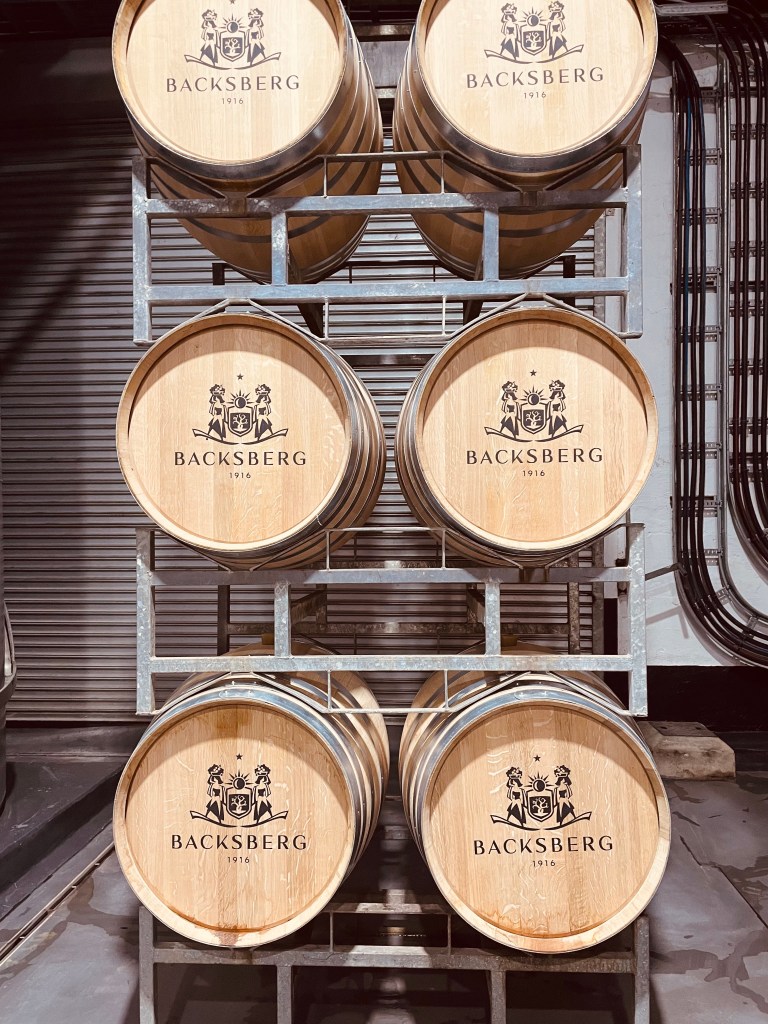
    The brand new tasting facility was built around an integral piece of history – a century year old tractor, which was transferred from the original estate to its new home in Franschhoek. Vintage wine-making equipment owned by the Back family is on display in the new venue, adding a museum-like element for visitors to enjoy. Placing great importance on sustainability, items from the farm such as barrels and wood chips have been repurposed to create lighting, furniture and design elements, fashioning a truly authentic look and feel to the new space. 

    The design and prime-positioning of the new cellar itself is something to behold. “One is often not privy to the heart of cellar action and that’s precisely what you’ll find here, a working winery with a majestic backdrop. One can even gaze directly into the cellar through the magnificent glass doors and is enveloped by the sights and sounds of daily winemaking life. The views are unparalleled and the wines stupendous”, says Backsberg’s Marketing Manager, Bianca Lenhardt. 

    In a move to cement Backsberg’s reputation as a crafter of fine wines the Kosher range has been re-positioned as Sydney Back Kosher Wines  and has been brought to life in larger than life form on an exterior tank at the entrance to the brand home. 

    To complement your wine tasting experience, a selection of pairings, both sweet and savoury, as well as grazing-boards and picnics in the summer months are on offer. Expect delightful dishes infused with local flavours such as fynbos salt-infused crackers, waterblommetjie wontons, a seasonal salad jar, smoked snoek samosas, trout spring rolls and an exciting wine jelly pairing, to name a few. 

    The Backsberg family can’t wait to welcome you to taste their latest collection of wines, browse historical memorabilia and soak up the magic of the natural surroundings that envelop their new home. 

    Opening hours: 10h00 – 18h00 Wednesday to Sunday

    Address: Backsberg Family Wines, Main Road R45, Franschhoek, 7690

    Socials: @backsberg 

  • Van Ryn’s 20 year-old Brandy awarded best in the world

    Van Ryn’s 20 year-old Brandy awarded best in the world

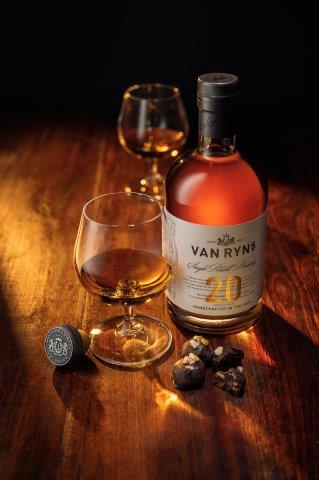
    South Africa is celebrating with the announcement that the locally produced Van Ryn’s 20-year-old potstill brandy has been awarded World’s Best Wine Brandy at the 2022 World Brandy Awards.

    The World Brandy Awards which see the finest brandies enter from around the world, is presented by TheDrinksReport.com, and rewards and promotes the world’s best spirits to global consumers and trade. 

    Each entry is tasted blind and marked to an agreed and strictly enforced scoring system. As well as nose, palate, and finish, judges review balance, character, complexity, and quality. 

    “This World’s Best title is the highest accolade any master distiller aims for. Our commitment to innovation, quality and the art of crafting exceptional brandy, comes full circle with yet another global recognition,” says Van Ryn’s Master Blender, Marlene Bester.”

    “The 20-year-old brandy is timeless and grandiose. The brandy captures the tradition of hand-crafted, authentic potstill brandy; a tradition we continue today, following in the footsteps of our founders who achieved Van Ryn’s first international award as far back as 1884.”  

    The Van Ryn’s 20-year-old potstill brandy started its journey as Chenin Blanc and Colombar wine. This base wine was then distilled in copper pot stills, one of which is over 200 years old and still used daily! The low wine coming off the stills was separated into three parts: the head, heart, and tail. Only the clear and pure liquid from the heart is used to craft Van Ryn’s brandies, and after a second distillation prepared for maturation.

    It’s during the maturation process where the brandy comes alive. When the colourless spirit is drawn off the potstills, the hand-selected oak barrels allow the brandy to come into character, developing the beautiful golden hues and concentrated flavours over twenty years. 

    The 20-year-old potstill brandy is a rich, decadent brandy, with delicate sweet vanilla, spice, and rose water, ending with a supremely velvety finish. 

    For the complete list of the 2022 World Brandy Awards visit the World Brandy Awards.

  • Durbanville Wine Valley unveils landmark Sauvignon Blanc

    Durbanville Wine Valley unveils landmark Sauvignon Blanc

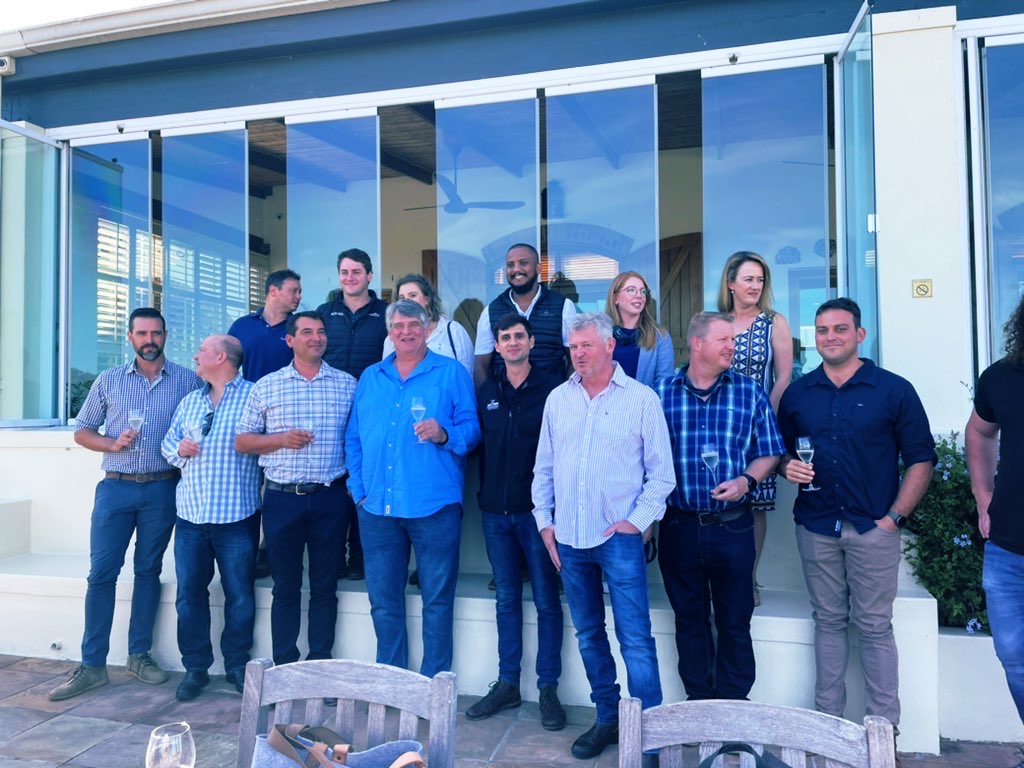
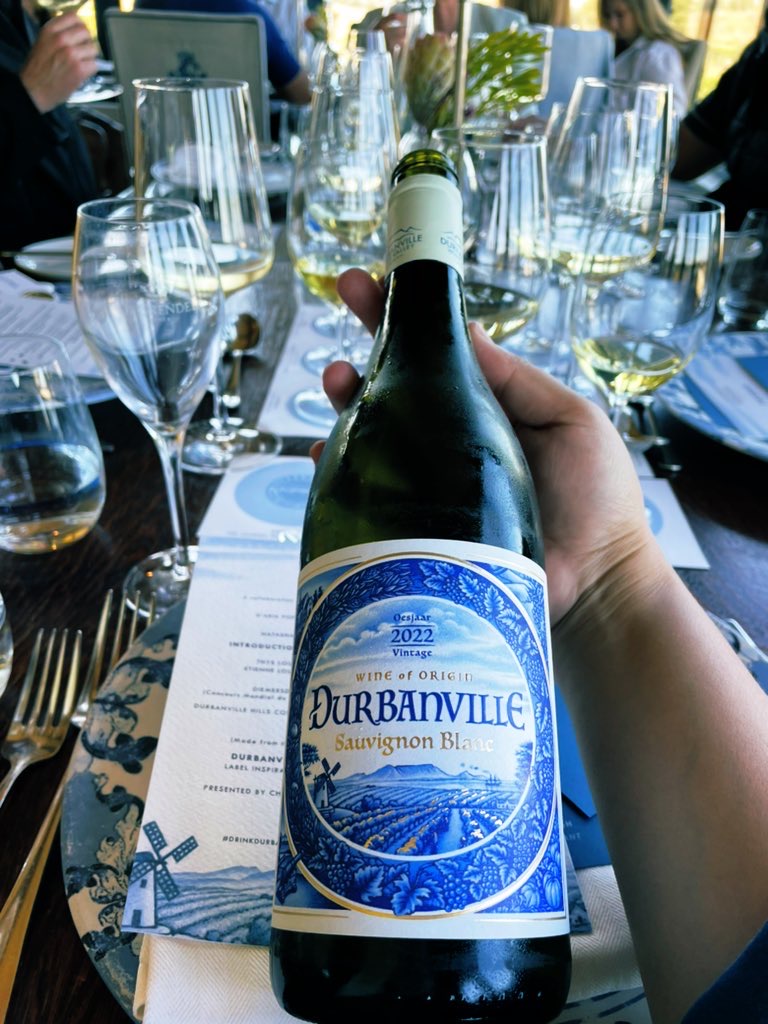
    The inaugural vintage of a milestone Sauvignon Blanc wine has been released by the 13 wineries of the Durbanville Wine Valley that supplied the wine for its making. While collaborations of this scale are rare, it is the region’s reputation for pioneering and award-winning Sauvignon Blanc that makes this an outstanding contribution to the pantheon of South African wine.

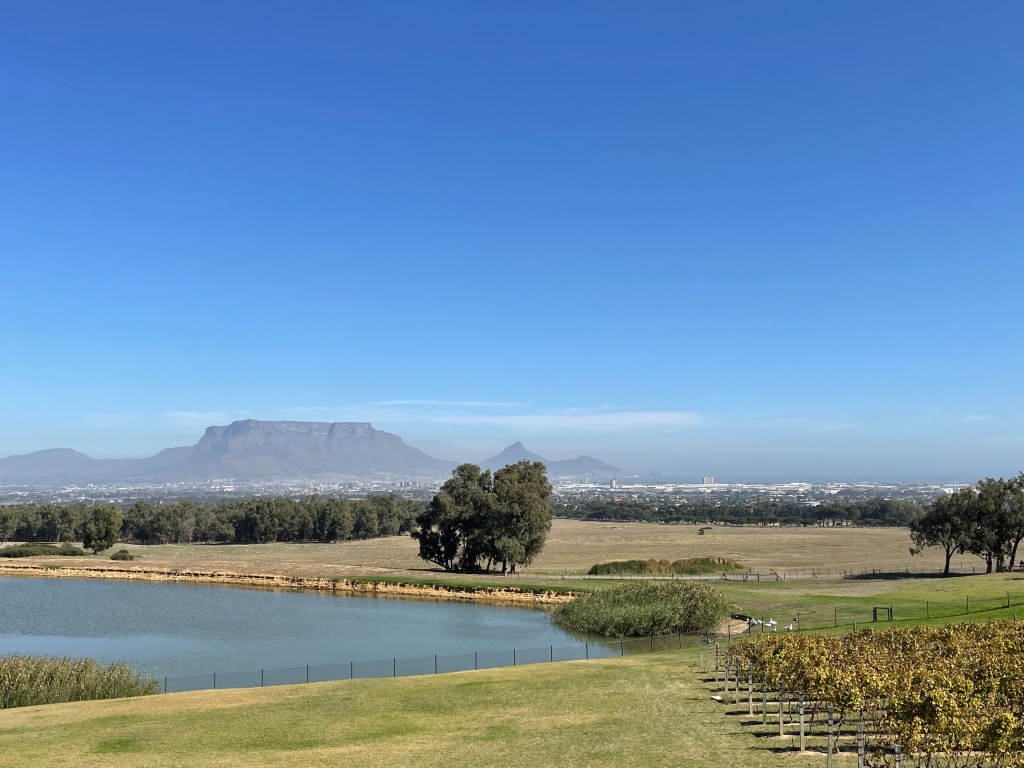
    The cool, two ocean-influenced climate of the Durbanville Wine Valley is ideal for the slow and flavourful development of wine grapes, particularly Sauvignon Blanc. It is for this reason that Durbanville is one of oldest and most favoured wine regions at the Cape, consistently taking top international honours for Sauvignon blanc in particular. 

    Most recently, a Diemersdal expression received the trophy as overall winner in its category at the 2022 Concours Mondial du Sauvignon while Sauvignon Blanc from Durbanville Hills was among the few Gold winners at the UK-based Global Masters wine competition.

    Both wineries were contributors to the collaboration wine, simply named Durbanville Sauvignon Blanc, along with Altydgedacht, Bloemendal, Canto, D’Aria, De Grendel, Groot Phesantekraal, Klen Roosboom, Maastricht, Meerendal, Nitida and Signal Gun. Its final production was entrusted to veteran winemaker Charles Hopkins and Morgan Steyn of De Grendel.

    The launch of the 2022 Durbanville Sauvignon Blanc took place just days ahead of International Sauvignon Blanc Day on May 6*. And it follows on the heels of the region’s collaboration last year in the making of the now sold-out Master’s Vineyards Cabernet Sauvignon.

    Commenting on the latest addition, Charles Hopkins called it a “truly remarkable wine for the support and genuine enthusiasm that fruit was contributed by wineries of the valley”.

    Charles Hopkins – De Grendel winemaker

    “From the start, everyone grasped the significance of showcasing the quality and image of Durbanville Sauvignon Blanc,” he says.

    Contributing to the project were leading industry service providers Inbox Packaging, RAM Labels and the company that realised its standout appearance – Bravo Design.

    The label highlights the many facets of Durbanville, with the vineyards and wine grapes as centrepiece alongside proteas – South Africa’s national flower as well as an indicator of nature-aligned viticulture.

    The region’s Dutch heritage is reflected in images of the historic Dutch Reformed Church, 1840 Onze Molen windmill and Cape Dutch homestead, as well as the Delft-blue rendering. Its proximity and link with the Cape are depicted through the view of Table Mountain, but also cannons traditionally used to signal local farmers that trading ships had arrived at Table Bay. 

    The association with agriculture also emerges in the tractor, grape harvesting, and pumpkins with the latter also a reference to the region’s original name. Pampoenkraal (Pumpkin Kraal) hails from Afrikaans, which is further represented in the word “oesjaar”, meaning vintage.

    Together, the elements speak of a rich heritage that has emerged from generational know-how and a history of sustainable farming. Together, they speak of a vibrant community eager and proud to show the wine contained within.

    The flavour and aromatic character of Durbanville Sauvignon Blanc generally falls in two camps – briny and tropical fruit – and is determined by the inner and outer valley location of producers. Together, they have produced a sublime wine ambassador for the region and indeed, South Africa.

    The 2022 Durbanville Sauvignon Blanc shows typical character of a young, unwooded Durbanville Sauvignon Blanc that has preserved defining aromas and flavours. 

    It’s a dry wine with an alcohol of 13.5%. The colour is a light, lime-green while the wine itself shows outspoken ester flavours of apple, pear, cold tea, and jasmine and thiols of tropical citrus, granadilla and blackcurrant.

    The winemaker’s notes describe it as being particularly full on the palate and suggest the wine as a wonderful aperitif or accompaniment to seafood, salad, pasta, and even light meat dishes.

    The inaugural 2022 Durbanville Sauvignon Blanc is available at the tasting rooms of the Durbanville Wine Valley and Tops @ Spar stores around Durbanville. It may also be purchased online via www.durbanvillewine.co.za.

    The wine sells for around R110/bottle. 

    For more information about Durbanville Wine Valley, visit www.durbanvillewine.co.za or send an email to info@durbanvillewine.co.za.

    Tag and follow Durbanville Wine Valley to get the latest news about events. Use @DurbanvilleWine on Twitter and Facebook, Instagram.

  • A Taste of Franschhoek

    A Taste of Franschhoek

    *Disclaimer: I have been hosted at both wineries. All views are my own and not paid for. All extra expenses were paid for by myself* 

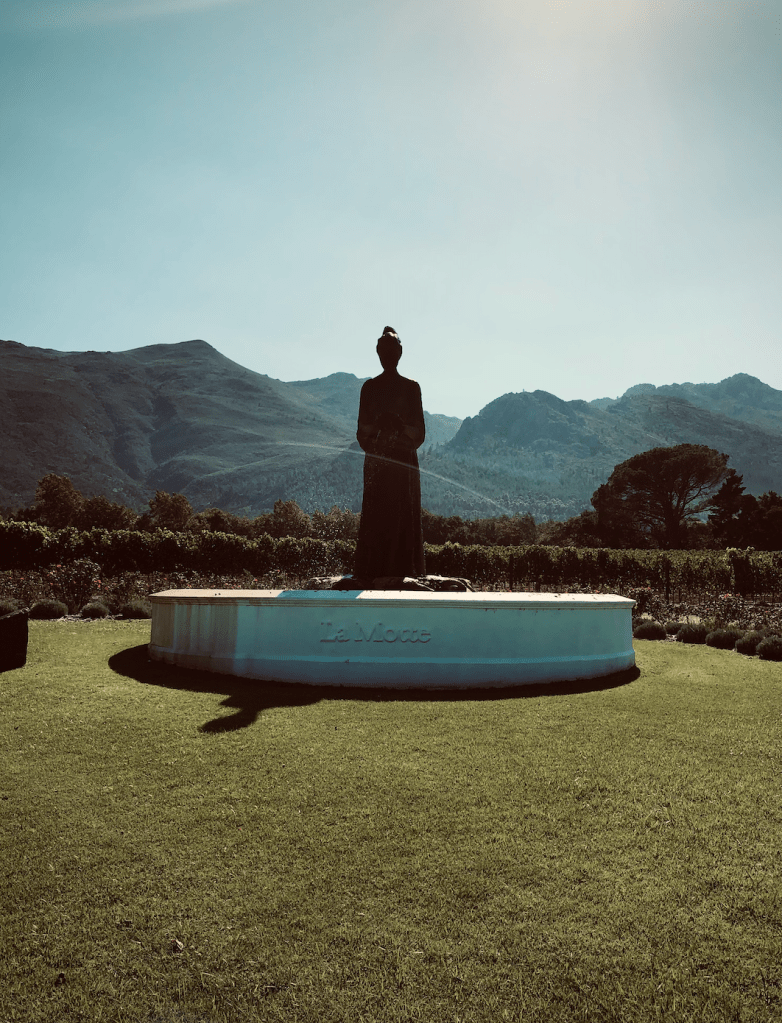
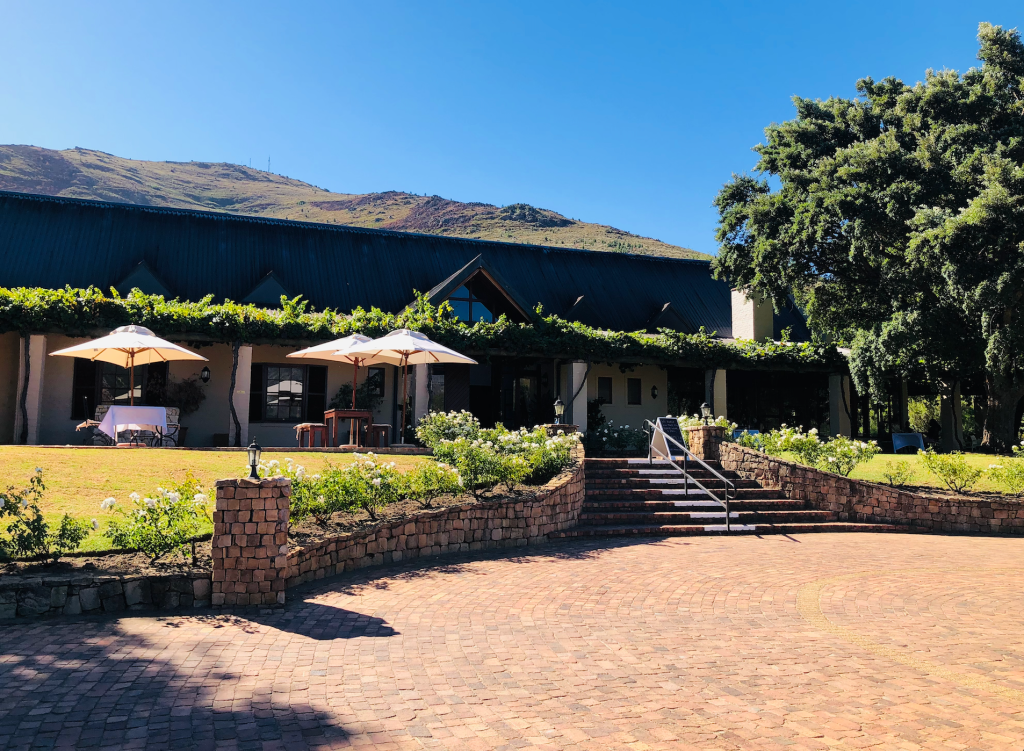
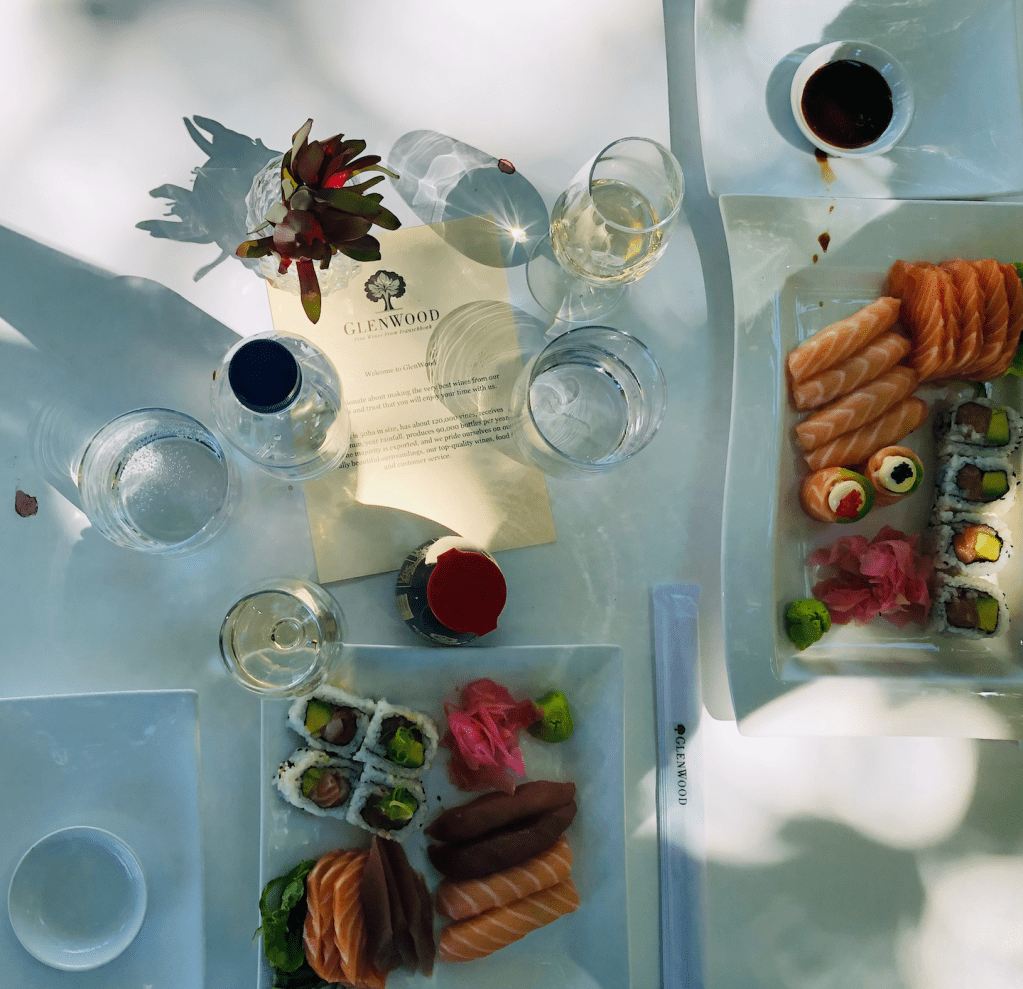
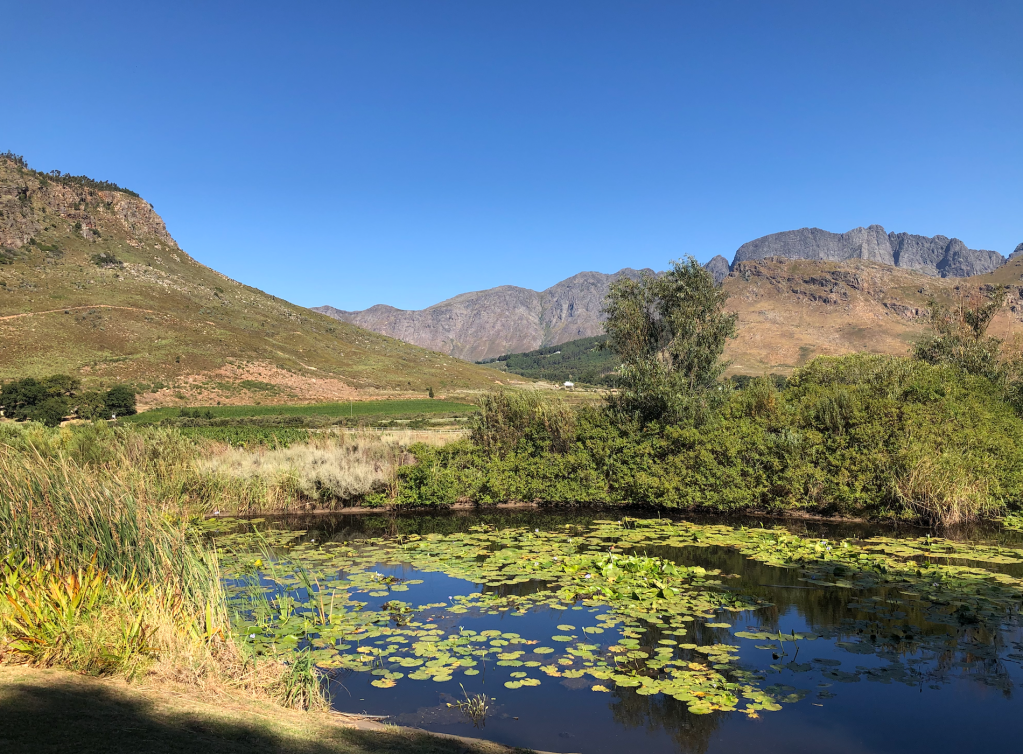
    The valley of Franschhoek has many things to offer the avid foodie, wine aficionado and even the keen adventurer. Having lived most of my life in the beautiful Cape, I am not as well travelled as I would like to be, however this leaves me with an excuse to venture out and explore our bountiful province as much as I possibly can. A few weeks ago, I was invited to visit La Motte for the Harvest experience and GlenWood Winery for their gourmet sushi and wine offering and words cannot express what a lovely experience it really was, with that said have a look at these photos I took along with what I can best describe as being, utterly delicious! 

    La Motte

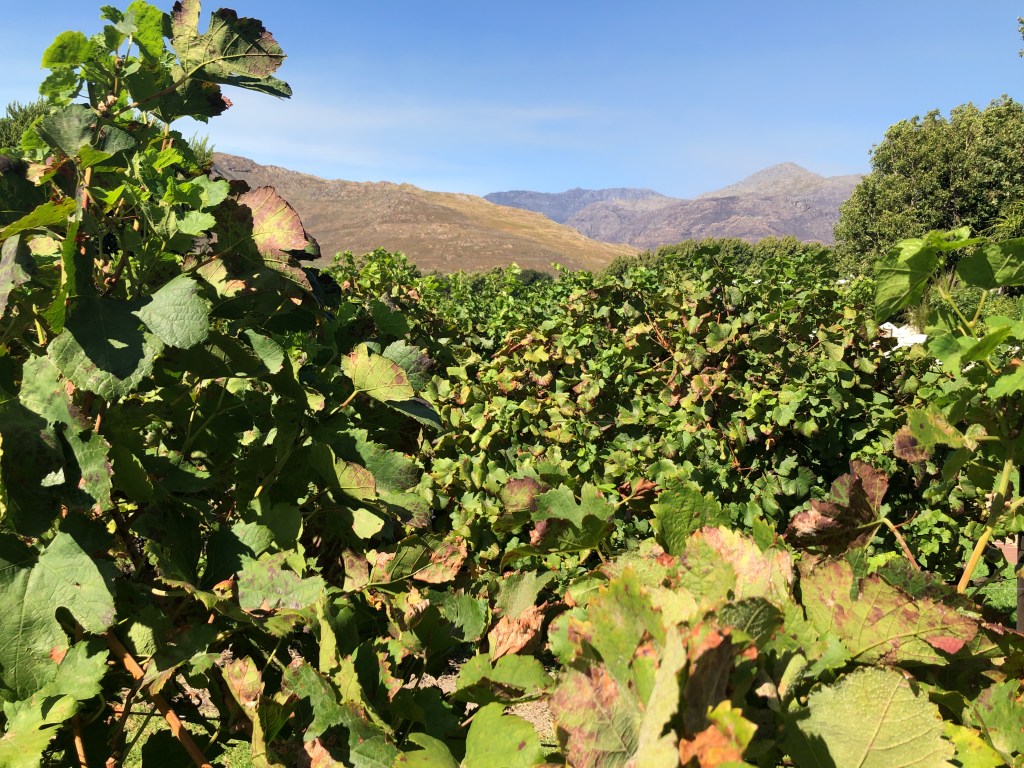
    In the vineyard

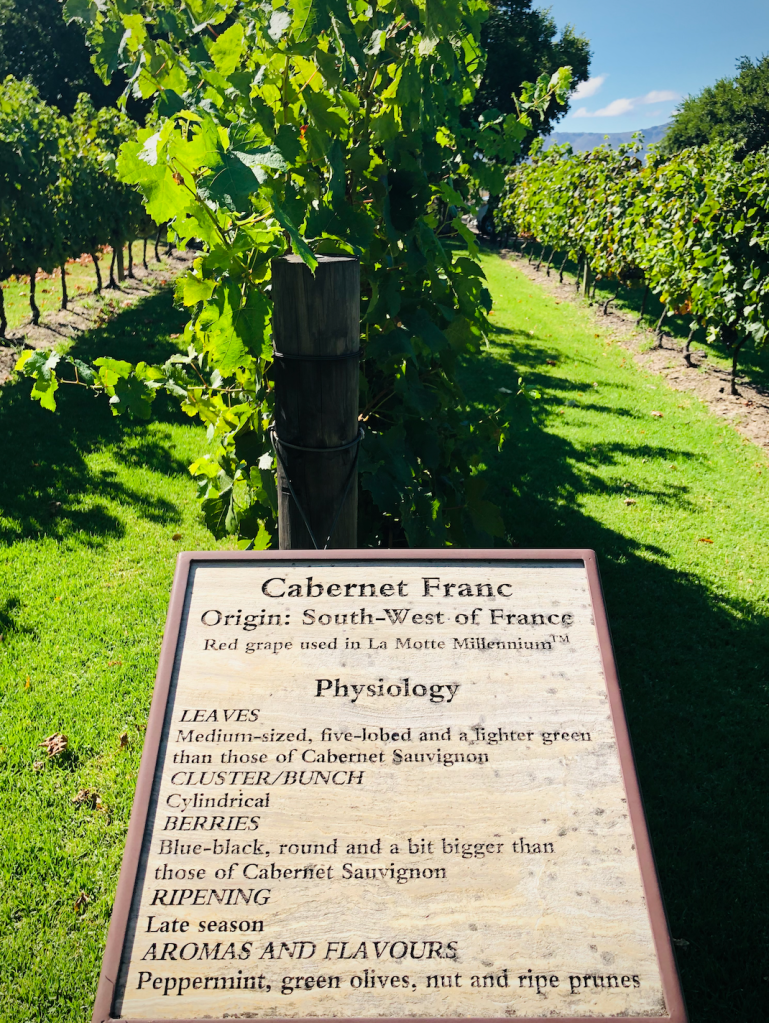
    Enjoy an introduction to the various varietals from Cabernet Sauvignon to Cabernet Franc, harvest processes are passionately and carefully explained for the layman or wine professional.Spot the differences between the various varieties and taste the sweetness of the ripe berries.

    Interesting fact – La Motte practices biologic production. Additional grapes are obtained from other affiliated family-owned farms and La Motte-managed vineyards situated in various regions. This adds versatility to the grapes supplied to the La Motte cellar. Passionate about terroir, La Motte enjoys WWF Conservation Championship status, with the objective of keeping biodiversity intact.

    In the cellar

    Experience the hand-sorting of grapes, crushing, pump-overs and other cellar activities, concluded with a tasting of grape must (fermenting grape juice) from a fermentation tank.

    In the tasting room 

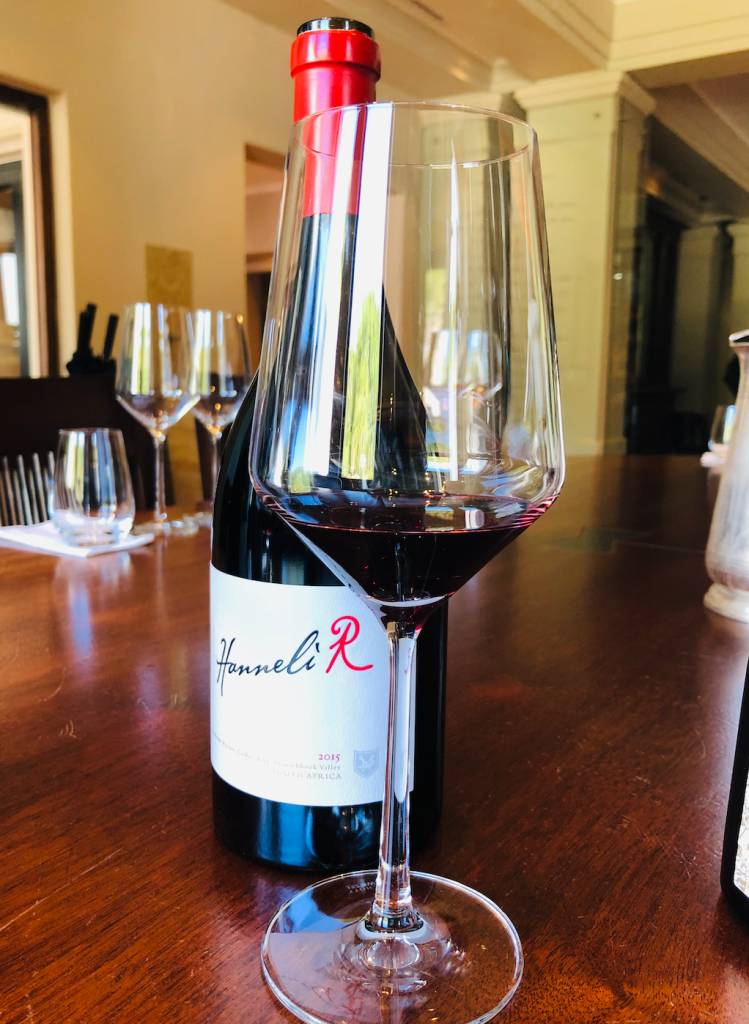
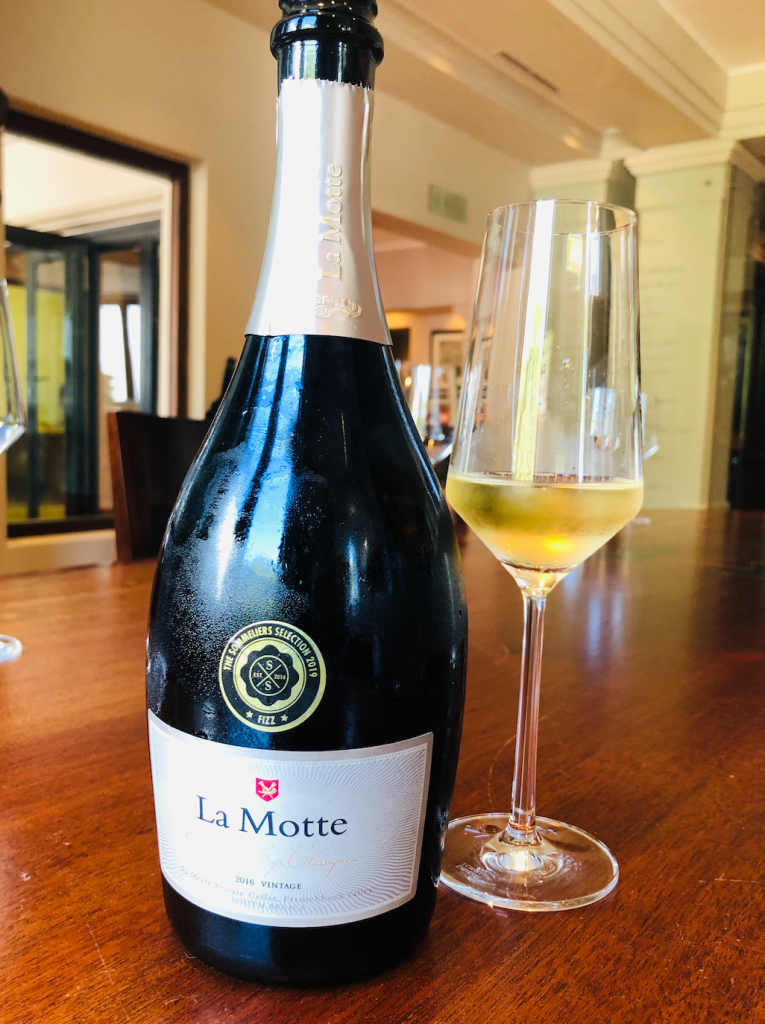
    Sit down to a tasting of La Motte’s award-winning collection of wines – five wines from the La Motte Collection as well as the two wines from the estate’s renowned Pierneef Collection. My personal favourites are the 2018 Pierneef Syrah Viognier, the exquisite 2015 Hanneli R Syrah based blend and of course what would life be without a fantastic glass of MCC, the La Motte Methode Cap Classique is an absolute knock out of a bubbly!

    What followed was a tranquil brunch underneath the age-old oaks. A special harvest lunch prepared by award-winning Chef Eric Bullpit and his talented team to end of a wonderful experience at La Motte. I couldn’t leave without a few bottles of the syrah viognier and of course their famous mosbolletjie loaf! I would drive the 35 +- minute trip just to visit again any day! Their Harvest experiences runs every year open to the public from the second week of February to the end of March. Bookings are essential. 

    GlenWood 

    The wine and the estate.

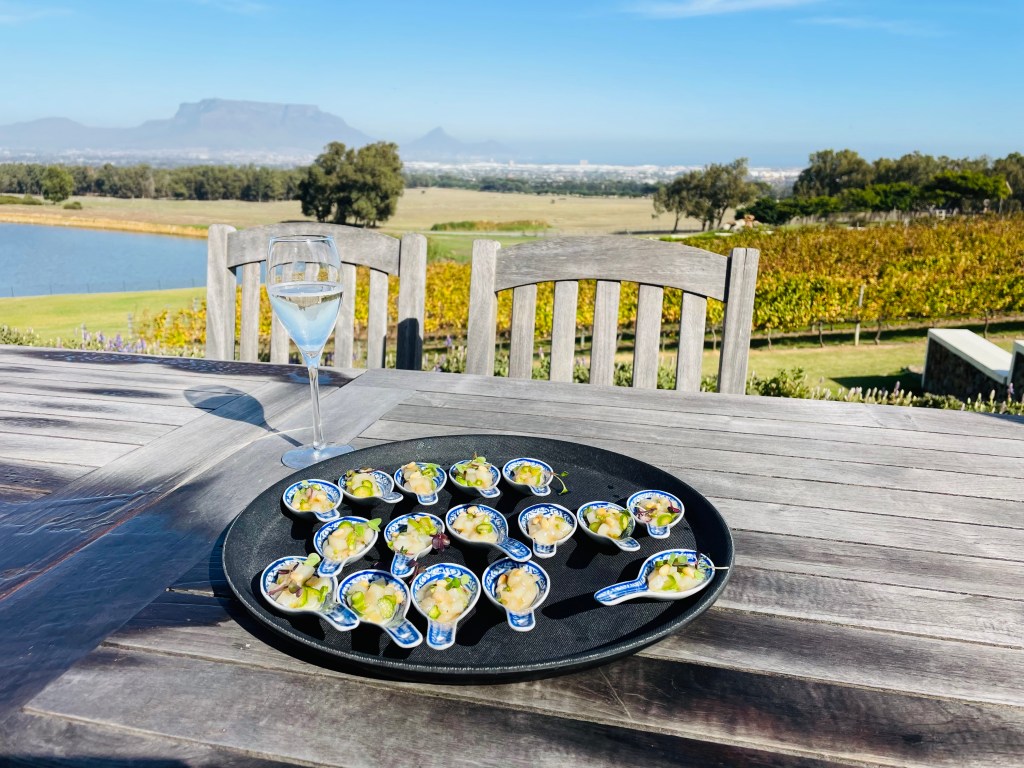
    Situated in the heart of the Franschhoek Valley (and slightly off the beaten track). Developed in 1984, GlenWood has established itself as a sought-after wine producer in local and international markets. With 25 ha under vine from which they produce close to 90,000 bottles annually, adhering strictly to sustainable farming guidelines, applying best labour practices and protecting their indigenous fynbos. The farm is surrounded by beautiful scenery, lush oaks and lawn with plenty of space of your furry friends and kids to play on. Owner Alastair Wood served us a glass of their Grand Duc Chardonnay, refreshingly light with a touch of body, a perfect accompaniment to their utterly delicious sushi. 


    The Food

    With a high-end sushi restaurant situated on the premises guests get the opportunity to enjoy sushi accompanied by their wines in an idyllic outdoor setting looking out to the grand Franschhoek mountains, this certainly makes for a unique sushi and wine experience. GlenWood proves to have the ingredients for a memorable winelands lunch experience. 

    To book your unique sushi experience: 

    GlenWood 

    Email: info@glenwoodvineyards.co.za

    Telephone: +27 (0)21 8762044

    Physical Address: Robertsvlei Road | Franschhoek | 7690 | South Africa

    Special thanks to the La Motte and GlenWood teams for the warm and gracious hospitality!

    Cheers x

  • Wines unboxed

    Wines unboxed

    Disclaimer: These wines featured have been sent to me as media drops. This post is not paid for and reflects my own unbiased opinion.

    With another nationwide ban on alcohol, the industry as a whole has been shaken to its core yet again. Now more than ever the industry needs our support. If you do have the means, please consider supporting the South African wine industry by purchasing your wines online directly from wineries stores or through many local wine boutiques.

    I am incredibly grateful that I am able to write about wine professionally and call this my job! I will strive to be as honest as I possibly can whilst honouring each winery with the respect that it deserves. Without further ado, Here is a list of a few local wines that have landed on my desk for me to review.

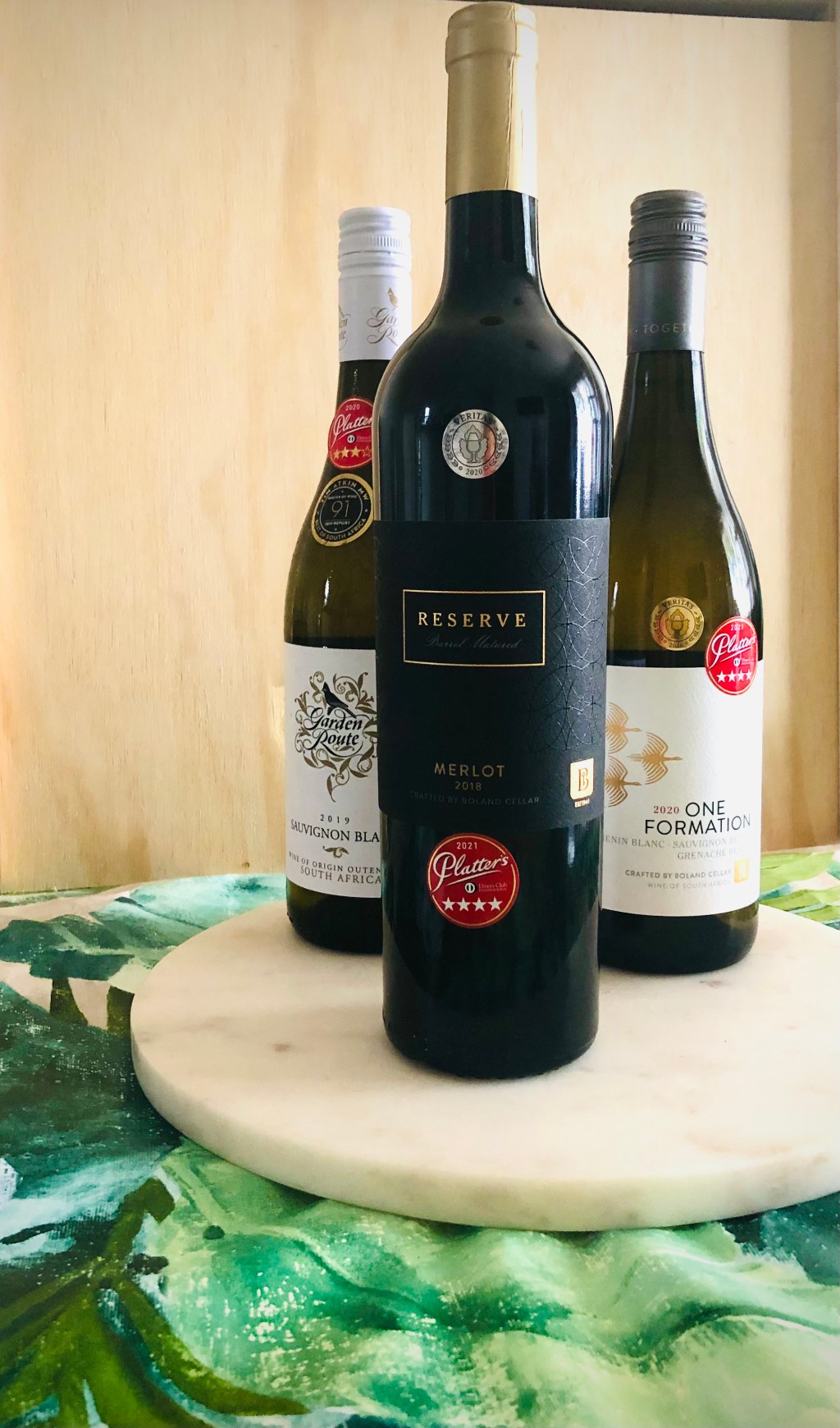
    Boland Cellar’s Top 2 of 2020

    • Reserve Merlot 2018 – retails for R149 a bottle

    The focus is purely on the stage name ‘Reserve’, the winemaking method and varietal. The grapes are handpicked at about 24° Balling, followed by destemming and cold-soaking for three days. The fermenting wine underwent pump-overs and after primary fermentation, malolactic fermentation took place in mostly second-filled barrels with a portion in new barrels. This richly structured and concentrated Merlot was further matured in 300-litre French oak barrels for 16 months to gain complexity. A small portion of 20% of the wine was not matured in wood in order to enhance the final blend with the ripe primary fruit flavours.

    Tasting note: tons of red fruit such as red cherries, plums and red berries. Layers of oak, spice and wood shavings are integrated with savoury and tomato notes mingling together with a long and lingering finish. A firmly structured and full-bodied wine which will benefit from careful ageing and will perfectly complement grilled sirloin and rump steaks.

    • One Formation White Blend 2020 Retail price: R87

    The range consists of a White Blend (Chenin/Sauvignon/Grenache), a Red Blend
    (Shiraz/Grenache/Viognier), a Chenin Blanc, a Shiraz and a Grenache Noir. This blend in particular consists of 65% Chenin Blanc, 20% Sauvignon Blanc and 15% Grenache Blanc. The Sauvignon Blanc and Grenache Blanc underwent brief wood maturation in older small French barrels for three months in order to add a bit of complexity to the blend. The final blend was left on the lees for a further two months with regular batonnage before bottling, resulting in a rich, full wine with both structure and finesse.

    Tasting note: Shows ripe pear and melon flavours as well as green pepper notes are evident on the balanced palate, followed by a gentle lingering finish. The old bush-vines of the Chenin Blanc yield ripe, creamy stone fruit flavours which are complemented by the crisp green fruit of the Sauvignon Blanc. The addition of Grenache Blanc in this blend provides richness and texture with ripe pear flavours. Finely flavoured dishes of seafood and poultry will complement this wine.

    Garden Route Sauvignon Blanc 2019 – Retails for R86 a bottle

    Produced and distributed through De Krans. Harvesting takes place mid-March during early morning to ensure the coolest possible berries. The fruit is handled with extreme care and only berries are hand selected. At the cellar the clusters are destemmed and lightly crushed into a closed tank and left on the skins till the next day. The free run juice is separated and fermentation takes place at cool temperatures for about a month. The wine is left on the lees for another 6 months before bottling.

    Tasting note: The palate shows refreshing tropical fruits and cut grass/green pepper with a flint finish, well balanced acidity and a lingering finish. The perfect poolside tipple for the sweltering summer heat. Food pairing suggesting: serve with fresh cob or stump nose, served with a lime dressing. This wine also works well with any pâté or crisp summer salads.

    Middelvlei’s Cinsaut Rosé 2020 – Retail price: R105 (not pictured here)

    Made from 100% Cinsaut grapes, the fruit is sourced from only the best vineyards in the Western Cape.

    Tasting note: on the palate shows delicate bursts of summer berry and juicy watermelon. Pale salmon pink in hue with a delicious fruity finish. Another poolside tipple for the win. Can be paired with grilled seafood or chicken dishes. Pairs well with a black olive tapenade, or any seasonal inspired salads. Also partners perfectly with grilled herbed lamb chops, lamb burgers with Moroccan spices or sweet and sour salmon teriyaki.

    Do let me know in the comments if you have any questions or would like to see more of a particular topic on my blog.

    Yours in Vino x