• Groot Constantia harnesses people-power to go solar with Sun Exchange

    Groot Constantia harnesses people-power to go solar with Sun Exchange

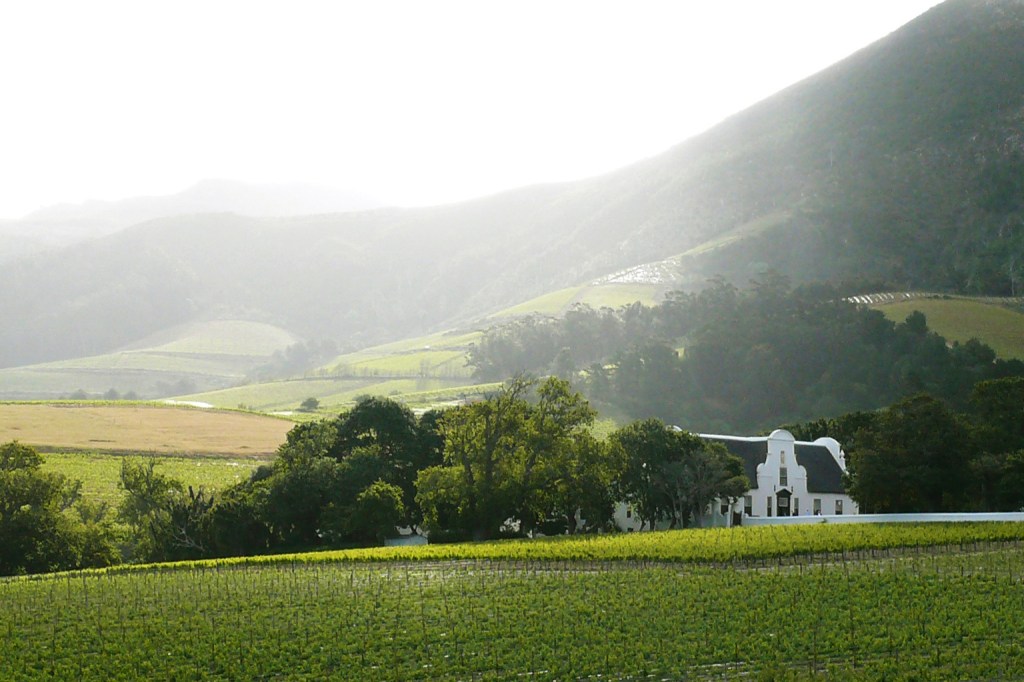
    Groot Constantia, South Africa’s oldest wine-producing farm and a world-renowned tourist destination, has partnered with Sun Exchange (www.sunexchange.com), an innovative solar leasing platform, to harness the power of community and go solar. A crowdsale for a 165 kilowatt (kW) solar plant to power Groot Constantia’s winemaking facilities and restaurants is now being hosted on the Sun Exchange platform. Through this crowd sale, people across South Africa and the globe can easily buy solar cells for R64.00 per cell, which will be installed in the solar plant that will power Groot Constantia. Once the 43,448 available solar cells are sold, the solar plant is built and starts generating electricity. Via the Sun Exchange platform, Groot Constantia will pay solar cell owners for the clean energy they produce for 20 years. The solar project crowd sale will run throughout the month of July until all solar cells sell out.


    The Sun Exchange model enables Groot Constantia to access solar power at a rate lower than standard utility rates, while solar cell owners earn a stream of solar-powered income and support the estate’s transition to clean energy. The solar plant will help avoid an estimated 4,700 tonnes of carbon emissions in its lifetime. “For centuries, Groot Constantia has been a place where people from across South Africa and the world come together to enjoy great wine and South Africa’s heritage and natural beauty. Now, we’re looking to the future and working with Sun Exchange to bring together a global community to be part of our solar project. This enables us to protect and conserve that heritage and natural beauty,” said Jean Naudé, CEO, of Groot Constantia. Groot Constantia is committed to conserving the environment in which it operates, and on which it relies, and has a long history of implementing initiatives to ensure it does no harm through its farming practices.

    The estate has invested significant time and resources on refining responsible production practices by spearheading innovations in water, energy efficiency and climate adaptation, and integrated environmental management systems. Its transition to solar power is the next step in its commitment to conservation. “Groot Constantia is a cultural and historical icon and an environmental leader. We’re honoured to have Sun Exchange and our global community be part of their solar power journey,” said Abraham Cambridge, CEO, of Sun Exchange. “This project will set a precedent across South Africa’s wine and tourism industries, demonstrating that transitioning away from fossil fuels is the best decision not only from a climate perspective but also financially.”

    Since its founding in 2015, Sun Exchange has enabled solar power for more than 60 businesses, farms, schools and other organisations in Southern Africa. Its solar projects have generated more than 12 Gigawatt-hours of clean energy, avoiding more than 12,000 tonnes of carbon emissions. Thousands of people from 180 countries worldwide use the Sun Exchange platform to buy and own solar cells, produce clean electricity and earn with purpose. The Sun Exchange vision is a world where all people and organisations can harness affordable clean energy to ensure a healthy planet for future generations.


    Media Contacts

    • Sun Exchange – Salomé Bronkhorst, salome.bronkhorst@thesunexchange.com, +27
      (0)79-388-2114 (www.sunexchange.com)
    • Groot Constantia (www.grootconstantia.co.za) – Lila Jutzen, lila.jutzen@grootconstantia.co.za, +27 (0)78-275 -4898
  • Early birthday celebrations with SA’S oldest wine-producing farm

    Early birthday celebrations with SA’S oldest wine-producing farm

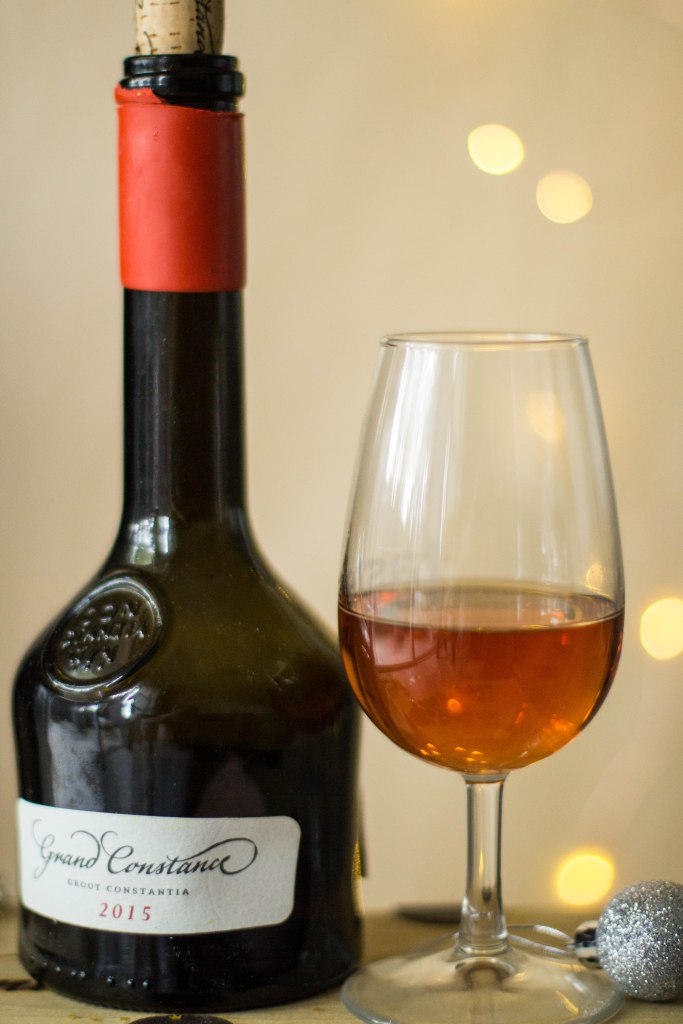
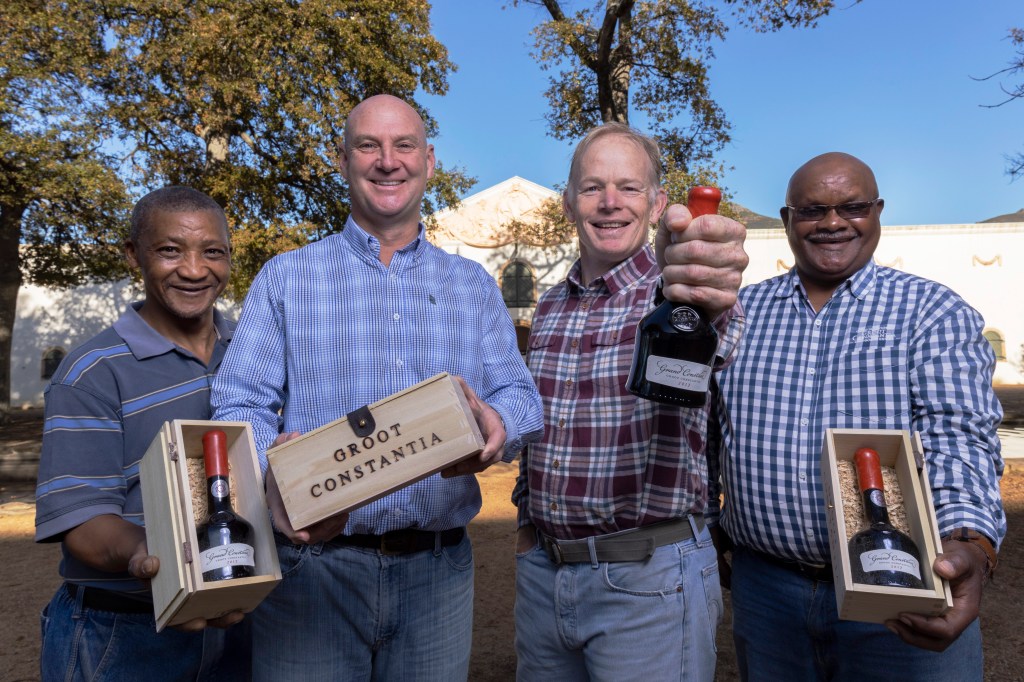
    On the 13th of July, Cape Town’s iconic Groot Constantia Estate celebrates its 337th birthday, cementing its status as the oldest wine-producing farm in South Africa – and there is good reason to start celebrating early. Adding to the estate’s reputation of consistent quality is its much-lauded flagship wine, Grand Constance, which recently received the National Wine Challenge Special Award for Wine Consistency and the Grand Cru ‘Best in Class’ Award.


    Groot Constantia’s world-famous wine continues to shine as it claims the spot with one of three wines in South Africa which have achieved more than seven top 100 positions annually, with Grand Constance leading the charge with 11 wins over a period of 12 years. To this day, Grand Constance undeniably remains the grand dame of sweet wines.

    Hundreds of years ago, the wine produced at Groot Constantia began to receive international acclaim for its superior quality, and emperors and kings – such as Frederick the Great of Prussia, Napoleon and Louis Philippe (King of the French) – were all known to be great lovers of Groot Constantia wines (translated Grand Constance into the French) which also means“consistency”.


    “The iconic Grand Constance wine that we produce at Groot Constantia is in effect the essence of the Estate. We are immensely proud of our Grand Constance, and humbled to be able to continue to produce this wine, and for it to consistently bring home awards. It is a 300-year-old legacy that we are custodians of, and the team strives to ensure that we interpret and honour it meticulously so that this special wine can continue to be appreciated on a world stage,” says Groot Constantia winemaker, Boela Gerber.


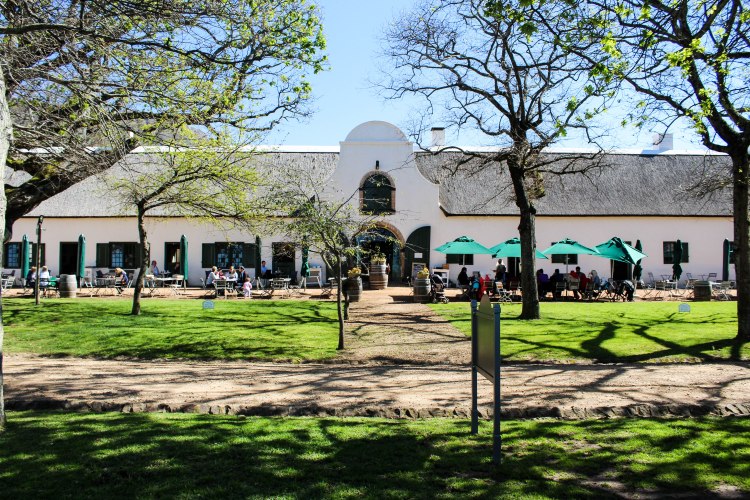
    As a provincial heritage site and a living museum, Groot Constantia has always been one of Cape Town’s most important destinations and is a member of the Cape Town Big 6 tourist attractions. It is not hard to see why the estate is a favourite for locals and visitors alike – and has been for centuries.


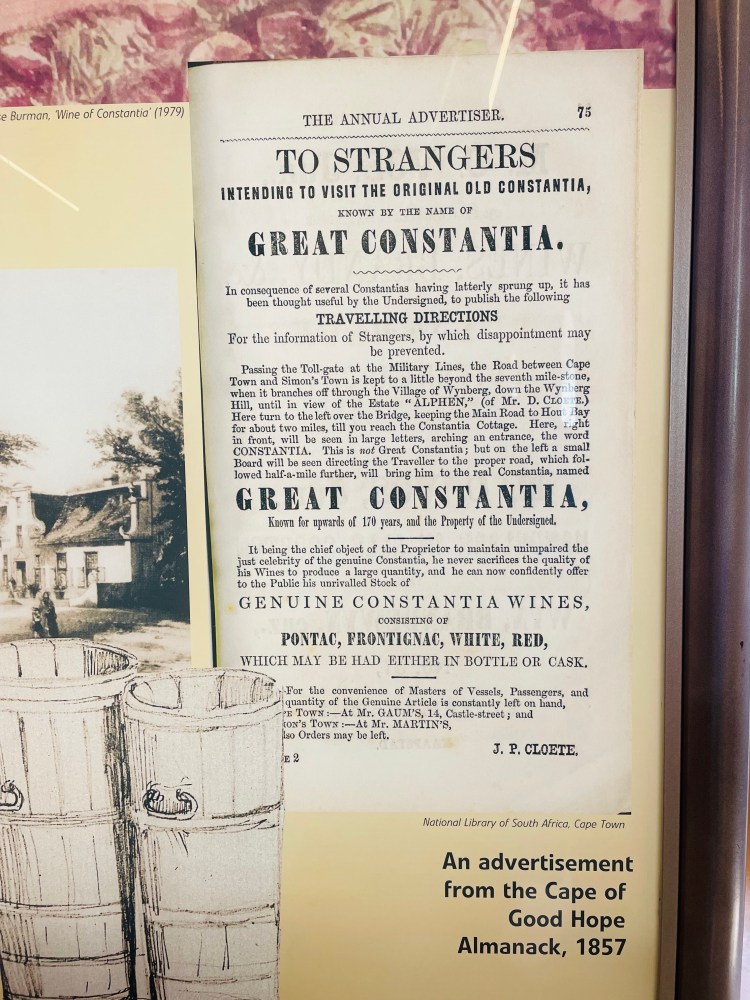
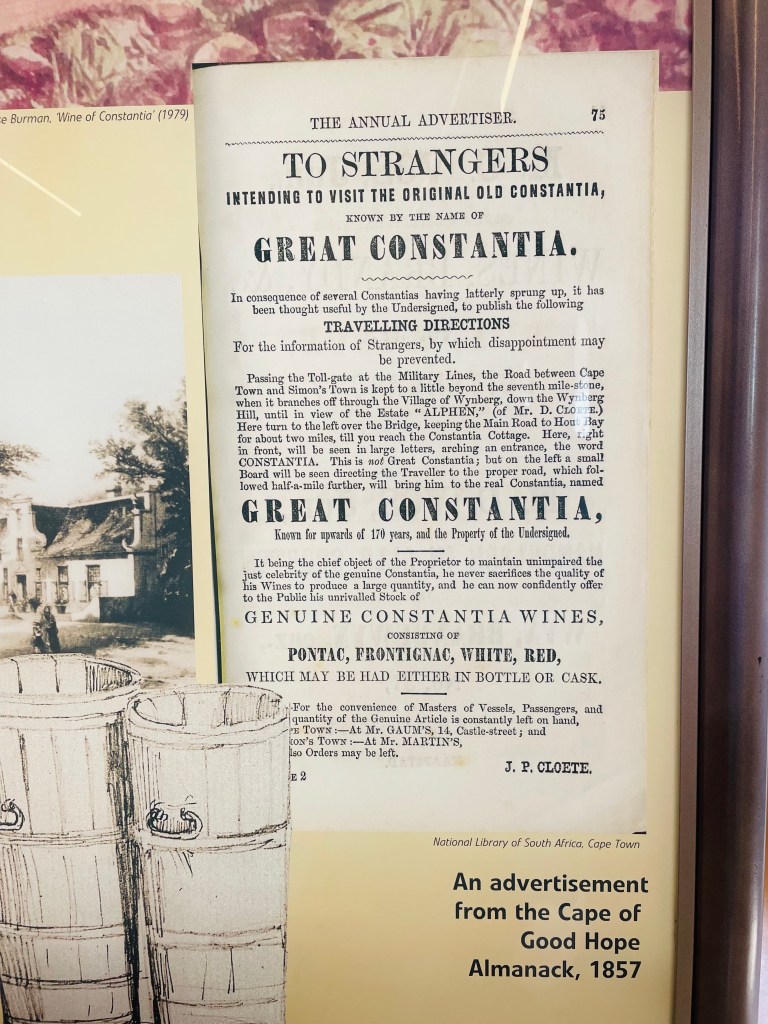
    Groot Constantia has been welcoming visitors to the estate for more than 300 years and has a long track record as a must-visit location in the Cape. In fact, 160 years ago, JP Cloete (the then owner of Groot Constantia), produced one of the earliest known tourist attraction adverts in South Africa, marketing Groot Constantia and giving detailed directions to the estate – making it the first-ever wine route map in SA. The advert also affirms Groot Constantia’s standing as the original source of the iconic Constantia Wines that have been celebrated across the world.

    For the modern-day visitor – be it wine lovers, fun-seeking families, tourists, social explorers, or anyone looking for a memorable and unique location in the Cape – Groot Constantia offers a wonderful day out, immersed in a rich sense of history and wine culture, accompanied by gorgeous views and outdoor spaces, exceptional wines, delicious food and fun for the whole family.


    The Estate offers a Visitors Route Experience that allows you to walk back in time by following a specially designed circular route that takes visitors to the historical key attractions at Groot Constantia. The original Manor House at Groot Constantia (which is an Iziko Museum) is the starting point for the Visitors Route Experience. After this, guests make their way to the famed Cloete Cellar, which is the original wine production cellar from 1791. This historic cellar was where the famous Grand Constance wine was produced, and now the cellar houses a museum and unique tasting room. Old carriages, winemaking memorabilia and a collection of old Grand Constance bottles sourced from all over the world are among the things to see in the Cloete Cellar Museum. After exploring the modern production cellar for a tour and wine tasting, visitors are then welcome to venture into the vineyards for the self-guided audio Vineyard Tour.

    Groot Constantia has two top restaurants, Jonkershuis and Simon’s. Both have children’s menus and outdoor dining options. There is also free Wi-Fi at Groot Constantia, which covers an extensive area – including all of the buildings – making the enjoyment and exploration of the estate that much more fun as guests can share their experiences in real-time with friends and family across the world.

    The estate is inviting all wine lovers and casual visitors to come and enjoy the 337-year-old Groot Constantia celebratory experience.

    For more information visit www.grootconstantia.co.za or connect with Groot Constantia via social media on
    Twitter, Facebook and Instagram @GrootConstantia.

    *Sponsored post*

  • Fall in love (again) with Delheim Cabernet Sauvignon

    Fall in love (again) with Delheim Cabernet Sauvignon

    Renowned Stellenbosch wine estate releases its 2018 vintage 
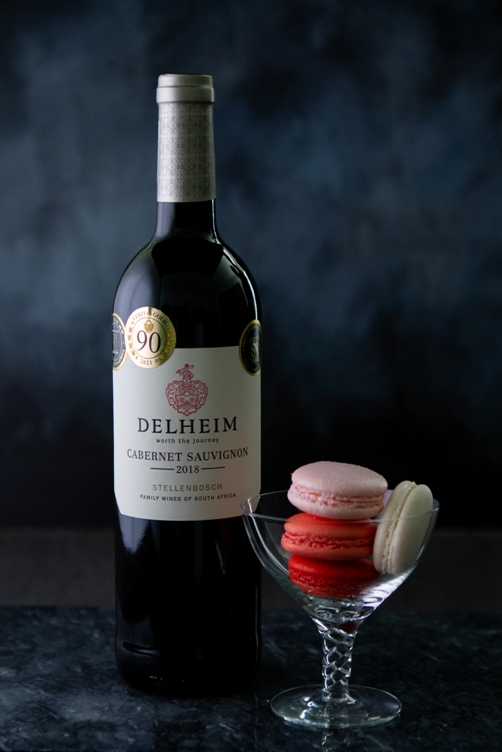
    February is a time of first loves. For wine cognoscenti, that passion belongs to Delheim Estate and its Cabernet Sauvignon, whose 2018 vintage has just been released.

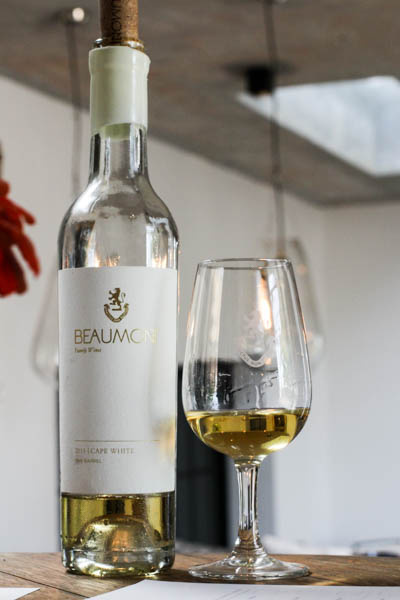
    The 2018 vintage was a recovery year for the vines, recalls winemaker Roelof Lotriet. They were emerging from years of debilitating drought. Ideal conditions during vineyard growth phase meant the bottled results are exceptional.

    It has already claimed Gold at Veritas 2021 and awarded 91 points by Master of Wine Tim Atkin.

    “The wine shows classic Stellenbosch Cabernet Sauvignon characteristics on the nose,” says Roelof. “There’s the lead pencil shavings, tobacco leaf and blackcurrant, which follow through on the palate with an inflow of ripe red-berries and fine tannins. Its finish is long and silky.

    “It will continue to improve long after vintage,” he adds.

    It is perhaps a fitting metaphor for Delheim Estate’s own great love story – that of Spatz and Vera, founders of the estate’s Sperling legacy in Stellenbosch. Among their many contributions, the couple were co-founders of the Stellenbosch Wine Route, South Africa’s first of its kind, in 1971.

    Vera still often tells the tale of how Spatz proposed marriage only two weeks after they’d met. He caught everyone off-guard, even Vera, by making the announcement at a small, informal gathering one afternoon in the gardens at Delheim. “When he’d told everyone we were to be married, he looked at me and said quietly, ’I hope you don’t mind!’,” Vera chuckles.

    Their journey continued to improve long after “vintage” too, but not without many challenges along the way. In the case of their prized Cabernet Sauvignon, vineyards had to be replanted in 2010 and a massive veld fire tore through the area in 2016. 

    Spatz passed away in 2017, though his love for Vera had nonetheless stood the test of time. 

    He recognised the rarity of this union when he named Delheim’s Vera Cruz vineyards. It’s a subtle play on the Mexican state of the same name, but Spatz always said it referred to the cross – or Cruz, in Spanish – that Vera had to bear in choosing him to share her life’s journey.

    Spatz arrived in South Africa from Germany in 1951. At just 20-years-old, he’d signed up to help his uncle and aunt on their farm, Delheim. Over decades he got to understand the terroir of the farm and Simonsberg landscape, gradually refining the best sites and associated grape varieties.

    “Delheim has been making wine for over 80 years and has understood the value of having a good foundation for not only for success but making world class wines. That foundation has been Cabernet Sauvignon,” says Roelof.

    He says the parable of the wise man building his house upon rock was instilled in him at a young age. “The location we have on the lower slopes of the Simonsberg mountain, the right soil and meticulous attention given to the vines and wine makes Cabernet Sauvignon the rock we build our house upon.”

    The first single variety Cabernet Sauvignon wine bottled under the Delheim name was produced in 1958. The vineyards that produce Delheim’s premium Cabernet Sauvignon at Vera Cruz were established by Spatz after he acquired the 80ha of prime red-wine land on Klapmutskop. 

    Further reflecting Delheim Estate’s commitment to the variety is its membership of the Stellenbosch Cabernet Collective, a collaboration of select wineries to whom quality is paramount. Its premier aim is to establish international recognition for the world-class standard of Stellenbosch Cabernet Sauvignon through rigorous peer review.

    The Delheim Cabernet Sauvignon 2018 sells for R250 and is available online from https://www.delheim.com/shop-online/, with free delivery on all orders over R1 200. The wine may also be found on winelists of leading restaurants and wine shops around the country.

    For more information or direct wine orders contact Delheim Estate at tel: 021 888 4600 or email: info@delheim.com. Delheim is on Twitter and Facebook as @Delheim, and Instagram as @DelheimWines.

  • A Homegrown Heritage Day – Giveaway

    A Homegrown Heritage Day – Giveaway

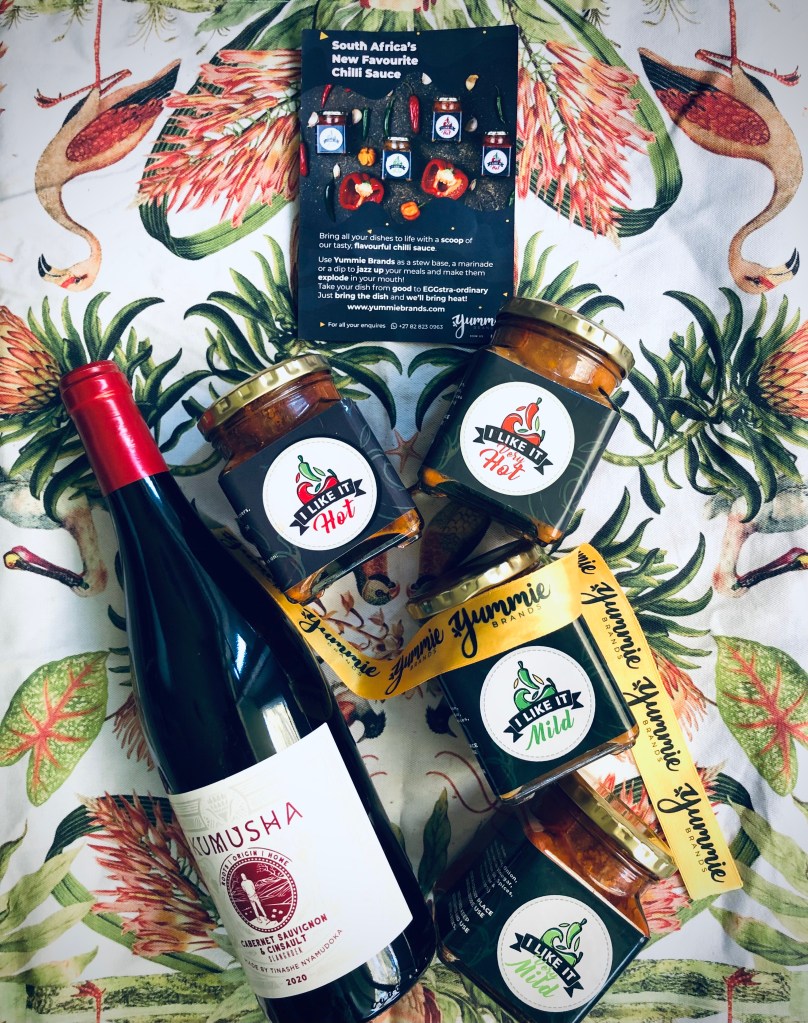
    In celebration of Heritage day this month I am very excited to reveal that I am working with a homegrown business, Yummie Brands. Started by fellow foodie Samuel Gumbie with a passion for all things spicy. Samuel got to work on his passion project/side hustle before the pandemic hit. Experimenting whenever he could to perfect the ultimate winning recipe. What came of it? The hugely successful ‘I Like It’ chilli sauce range. With four variations in the range, I Like It Very Hot, I Like It Hot, I Like it Mild and I Like It Very Mild (being the best seller at the moment). According to Samuel they have plans to expand on these four variations to 20 over the next 5 years. 

    I grew up eating very spicy foods much to my dismay. However I found as my palate and of course myself matured I picked up a liking and appreciation for spicy foods, sauces and pickled vegetables like Atchar, which if you ask anyone I know they will tell you how much I love the stuff! On this note, the I Like It Mild and the I Like It Very Mild reminds me of a good homemade atchar. I love the hints of garlic and acidity! With this in mind I thought what better way to experience the ‘I Like It’ range than to incorporate it into a dish. 

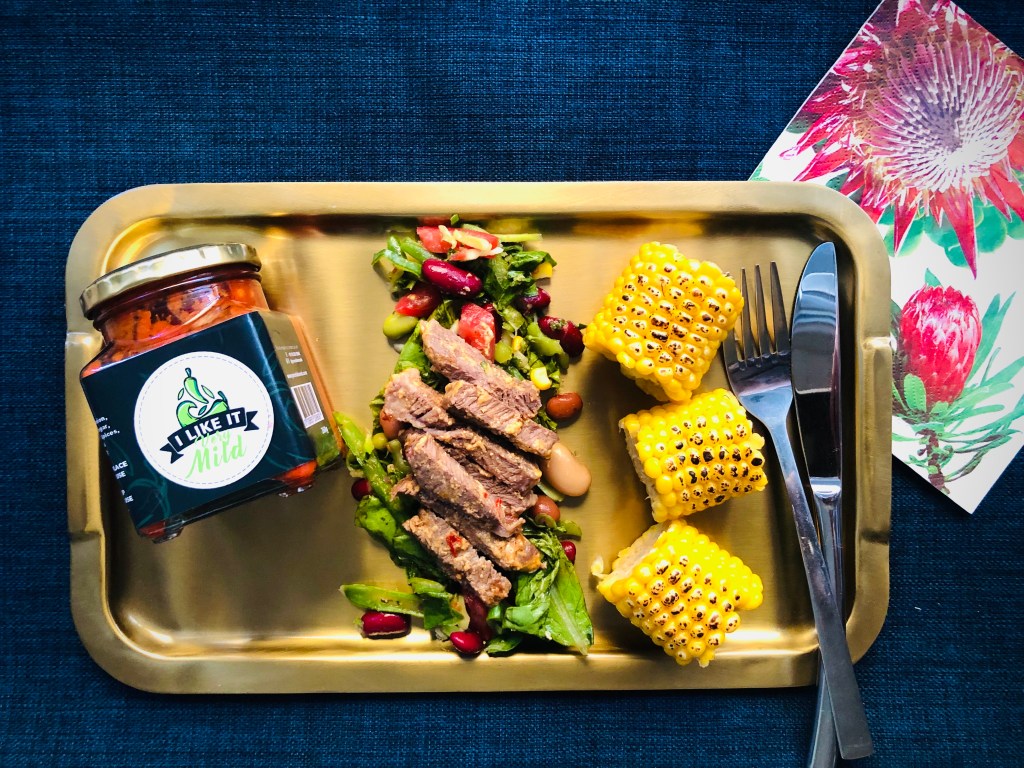
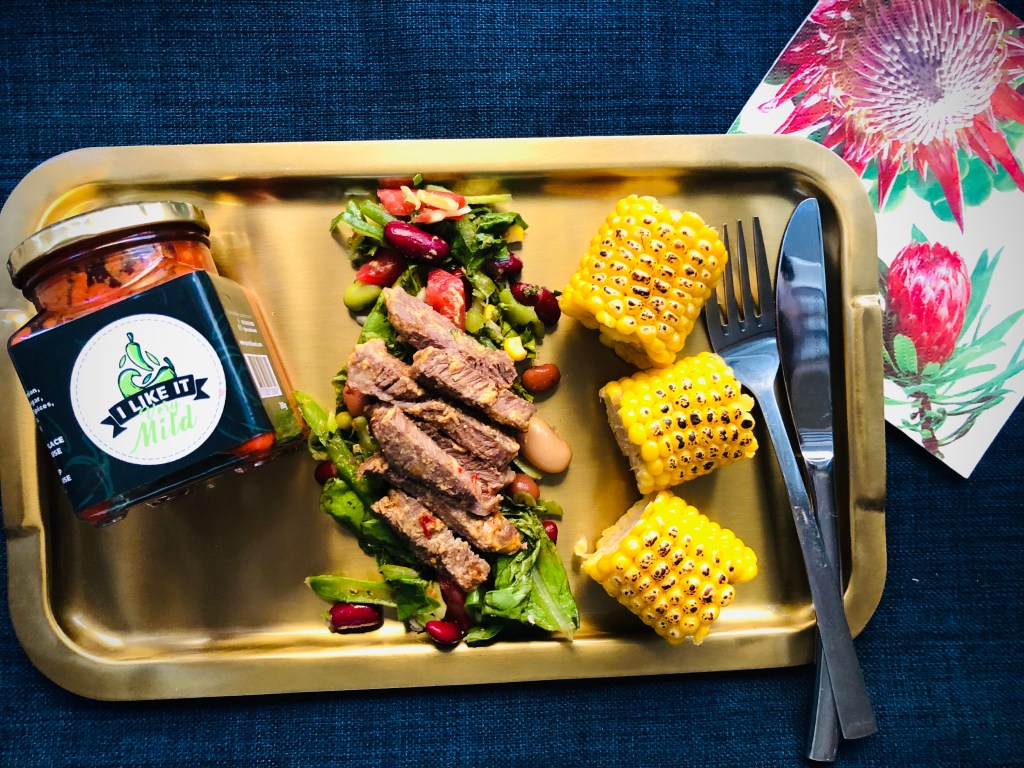
    Pictured here is my chilli sauce infused butter to be smothered over piping hot sweetcorn or what we call it in S.A, ‘mielies’. I also used the I Like it Mild to marinate Angus steaks to be paired with the mielies and a delicious full bodied wine the 2020 Kumusha Cabernet Sauvignon & Cinsault by Tinashe Nyamudoka. Another passionate son of the soil, Tinashe crafts award-winning wines and hits it out of the park every single time! So it is only fitting for me to pair these two brands together for the perfect Heritage day feast. With that said, starting this month going forward I will be posting once a week on tips and tricks on pairing Yummie Brand’s chilli sauce with wine, recipes using the ‘I Like It’ range and even a few giveaways here and there. Sounds exciting right?! 

    With Heritage day on the 24 September, Yummie Brands will be giving away a tantalising spicy hamper. All you have to do is follow both Yummie Brands and myself on Instagram and Facebook, comment on this blog post or the Instagram or Facebook post by tagging a friend (1 tag = 1 entry) and tell us how you would pair your ‘I like it’ chilli sauce and Kumusha wine. Easy peasy!

    I am so excited to start this journey with Samuel and his talented team. I look forward to sharing my posts with you all soon. 

    Happy Heritage Day lovelies! 

    Take care and keep safe. 

  • Wines unboxed

    Wines unboxed

    Disclaimer: These wines featured have been sent to me as media drops. This post is not paid for and reflects my own unbiased opinion.

    With another nationwide ban on alcohol, the industry as a whole has been shaken to its core yet again. Now more than ever the industry needs our support. If you do have the means, please consider supporting the South African wine industry by purchasing your wines online directly from wineries stores or through many local wine boutiques.

    I am incredibly grateful that I am able to write about wine professionally and call this my job! I will strive to be as honest as I possibly can whilst honouring each winery with the respect that it deserves. Without further ado, Here is a list of a few local wines that have landed on my desk for me to review.

    Boland Cellar’s Top 2 of 2020

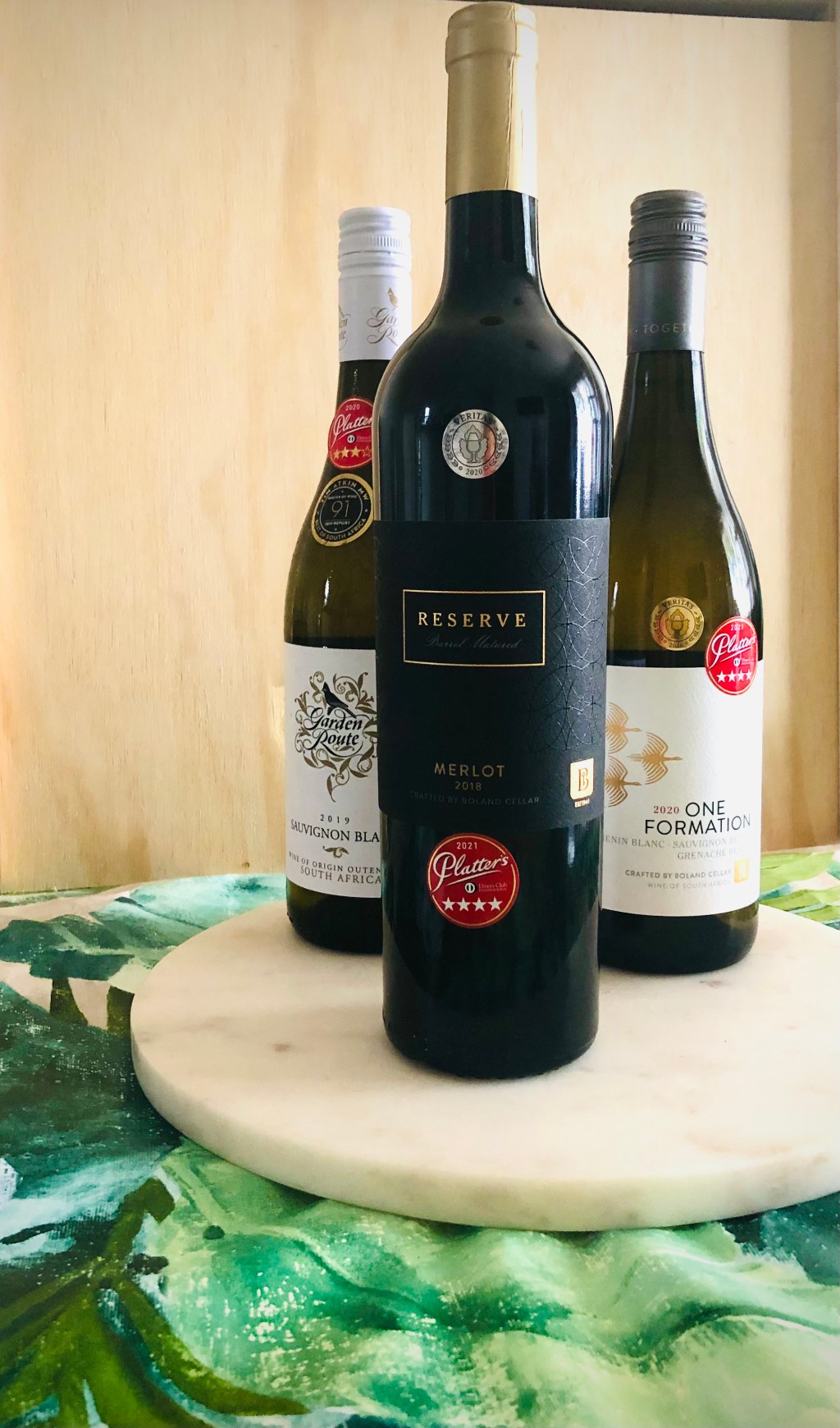
    • Reserve Merlot 2018 – retails for R149 a bottle

    The focus is purely on the stage name ‘Reserve’, the winemaking method and varietal. The grapes are handpicked at about 24° Balling, followed by destemming and cold-soaking for three days. The fermenting wine underwent pump-overs and after primary fermentation, malolactic fermentation took place in mostly second-filled barrels with a portion in new barrels. This richly structured and concentrated Merlot was further matured in 300-litre French oak barrels for 16 months to gain complexity. A small portion of 20% of the wine was not matured in wood in order to enhance the final blend with the ripe primary fruit flavours.

    Tasting note: tons of red fruit such as red cherries, plums and red berries. Layers of oak, spice and wood shavings are integrated with savoury and tomato notes mingling together with a long and lingering finish. A firmly structured and full-bodied wine which will benefit from careful ageing and will perfectly complement grilled sirloin and rump steaks.

    • One Formation White Blend 2020 Retail price: R87

    The range consists of a White Blend (Chenin/Sauvignon/Grenache), a Red Blend
    (Shiraz/Grenache/Viognier), a Chenin Blanc, a Shiraz and a Grenache Noir. This blend in particular consists of 65% Chenin Blanc, 20% Sauvignon Blanc and 15% Grenache Blanc. The Sauvignon Blanc and Grenache Blanc underwent brief wood maturation in older small French barrels for three months in order to add a bit of complexity to the blend. The final blend was left on the lees for a further two months with regular batonnage before bottling, resulting in a rich, full wine with both structure and finesse.

    Tasting note: Shows ripe pear and melon flavours as well as green pepper notes are evident on the balanced palate, followed by a gentle lingering finish. The old bush-vines of the Chenin Blanc yield ripe, creamy stone fruit flavours which are complemented by the crisp green fruit of the Sauvignon Blanc. The addition of Grenache Blanc in this blend provides richness and texture with ripe pear flavours. Finely flavoured dishes of seafood and poultry will complement this wine.

    Garden Route Sauvignon Blanc 2019 – Retails for R86 a bottle

    Produced and distributed through De Krans. Harvesting takes place mid-March during early morning to ensure the coolest possible berries. The fruit is handled with extreme care and only berries are hand selected. At the cellar the clusters are destemmed and lightly crushed into a closed tank and left on the skins till the next day. The free run juice is separated and fermentation takes place at cool temperatures for about a month. The wine is left on the lees for another 6 months before bottling.

    Tasting note: The palate shows refreshing tropical fruits and cut grass/green pepper with a flint finish, well balanced acidity and a lingering finish. The perfect poolside tipple for the sweltering summer heat. Food pairing suggesting: serve with fresh cob or stump nose, served with a lime dressing. This wine also works well with any pâté or crisp summer salads.

    Middelvlei’s Cinsaut Rosé 2020 – Retail price: R105 (not pictured here)

    Made from 100% Cinsaut grapes, the fruit is sourced from only the best vineyards in the Western Cape.

    Tasting note: on the palate shows delicate bursts of summer berry and juicy watermelon. Pale salmon pink in hue with a delicious fruity finish. Another poolside tipple for the win. Can be paired with grilled seafood or chicken dishes. Pairs well with a black olive tapenade, or any seasonal inspired salads. Also partners perfectly with grilled herbed lamb chops, lamb burgers with Moroccan spices or sweet and sour salmon teriyaki.

    Do let me know in the comments if you have any questions or would like to see more of a particular topic on my blog.

    Yours in Vino x

  • Off The Beeten Track – Bot River

    Off The Beeten Track – Bot River

    In my haste to help plan my honeymoon together with my now husband, yes! it’s been just over a month since we said ‘I do’! My head had been full of all of the outlandish ideas of travelling South Africa, maybe even abroad but weddings do cost quite a bit of money. This is when the thought occurred to me whilst sipping on a glass of Saboteur – Luddite  “Aha! we’ll go wine tripping!” lucky for me my enthusiastic other half was happily on board with my plans and even planning a secret stay at the end of our blissfull week away.

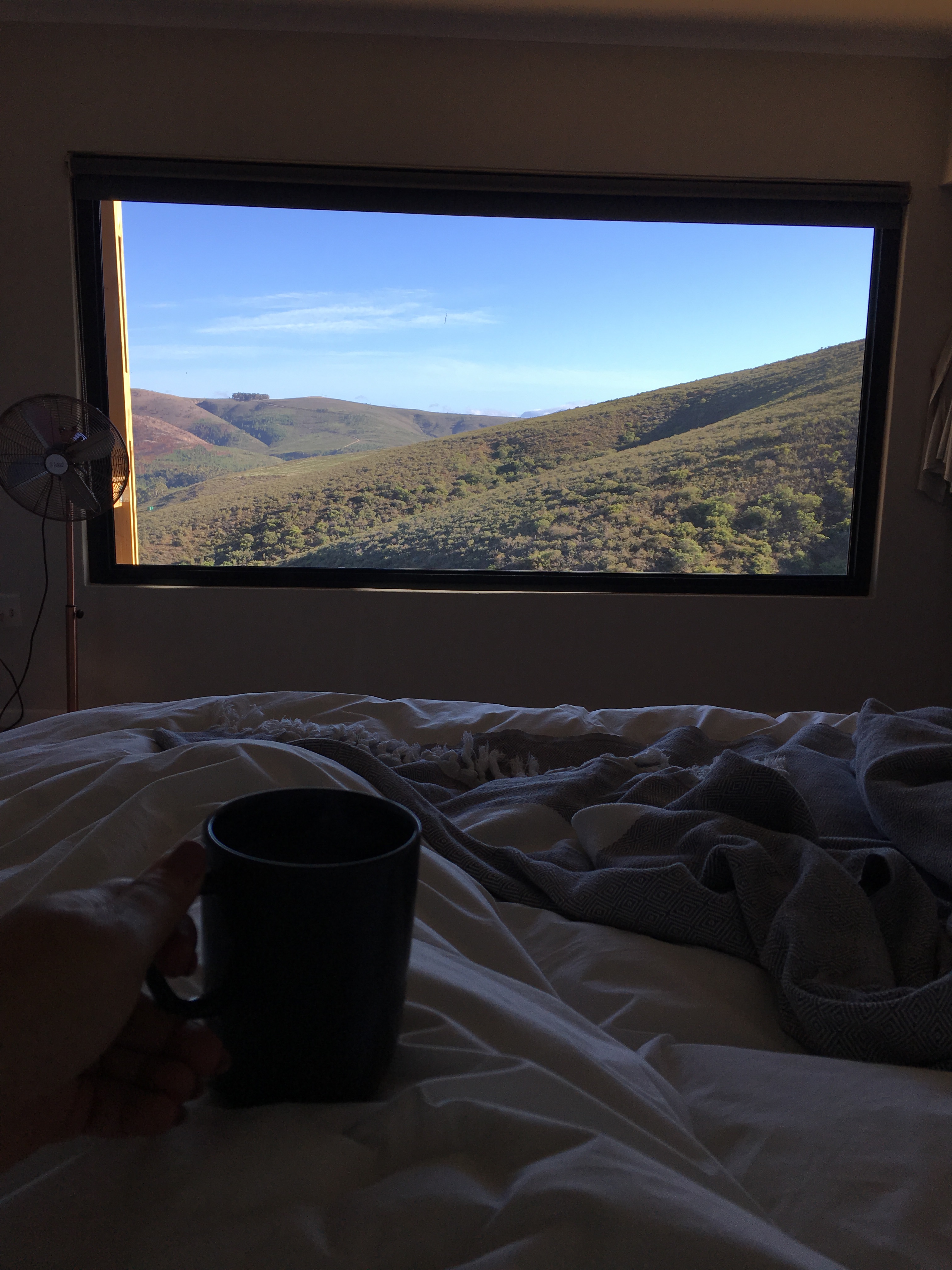
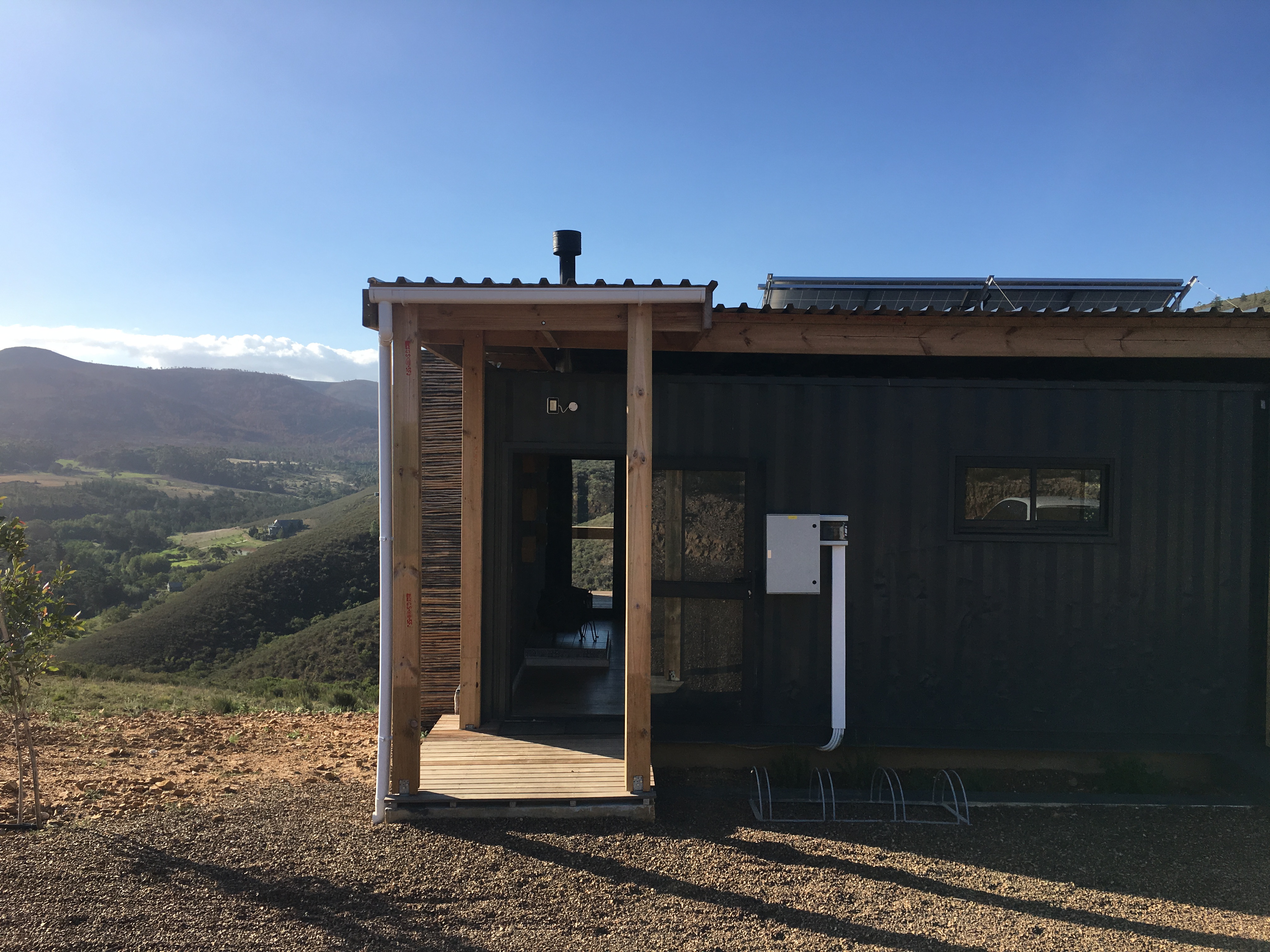
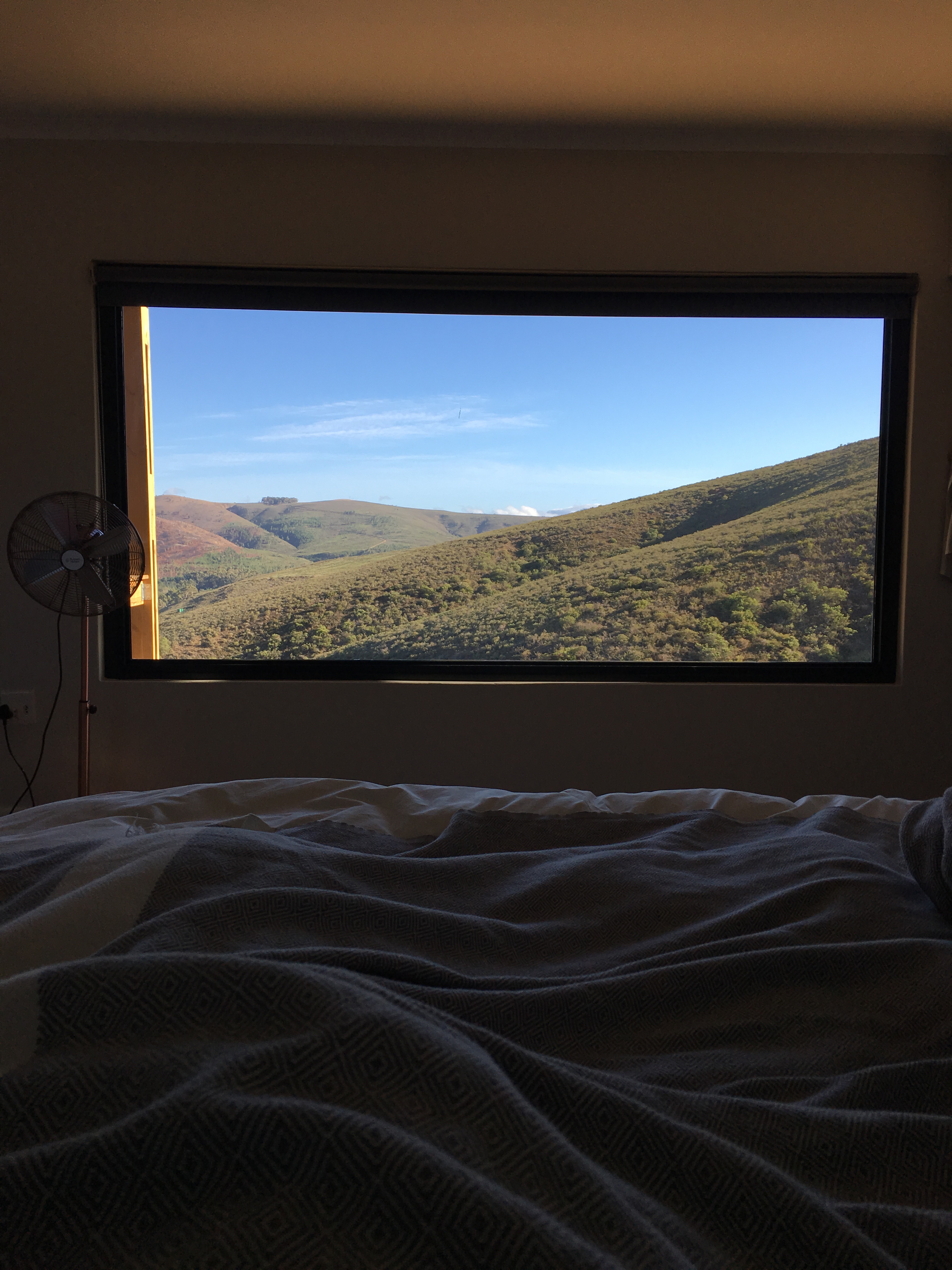
    Where did we go? We started our wine region road trip in Bot River with a stay at the breathtakingly beautiful and secluded Copia Eco Cabins some 7-8 km’s from the sleepy town, and toured some of the wineries in this spectacular region. We moved on to two other wine regions, Hemel-en-Aarde/Walker Bay and the exciting Swartland.

    Because we saw and tasted quite a bit in those respective wine regions, I will be breaking it up into three parts per wine region. The name Bot River derives from the meaning ‘Butter River’, where the local Khoi tribe used to sell butter. With just an hours drive from Cape Town you get to feel like you’re in a different country, with small town charm and picture-perfect views. Perfect for a family getaway or a romantic honeymoon.

    Copia Eco Cabins

    IMG-0588


    IMG-0743

    Affordable, high in demand, incredibly beautiful and so serene, our stay at Copia certainly was the ideal breakaway that this city slicker needed. If you love looking after your car as much as we do, then beware of the gravel road with many bumps along the way to the cabin, either take the chance (like we did) or hire an off-roader if you can. I highly recommend booking a stay here but do it at least a good couple of months in advance it tends to fill up very quickly.

    Copia provides you with firewood, firelighters, tasty rusks, sugar, coffee, and a few farm fresh eggs. With only one little mini market in the town selling only the basics, so do take a few goodies with you that you could cook on the braai (barbecue) or on the two plate gas stove in the fully equipped modern kitchen. There’s no TV and there’s absolutely no signal out there, perfect for a digital detox! I’d recommend bringing a few good books  accompanied with your favourite wines to enjoy on the wood-clad balcony or in the luxurious hot tub overlooking the valley. Top tip: The hot tub is powered by a wood-fired stove, although there are instructions on how to fire it up, it does take a while to master the art of keeping the fire alive, so start a few hours in advance before you plan on soaking it up like a boss. 


    Gabriëlskloof  

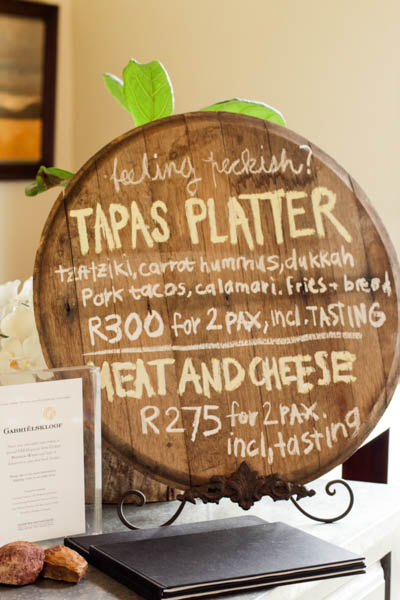
    Try the Tapas for two that comes with a tasting of their Estate range of about 6 wines. The Tapas and the Rosebud Rosé was by far the highlight of our visit. The tapas board consisted of freshly baked flatbreads, the most fragrant dukkah ever, two types of hummus, the butternut one though! You’ll need a moment of silence for it, pulled pork tacos, and crispy salt and pepper squid, with every morsel and sip of wine, it’s clear that care and thought went into the making of not only the delicious bites of food but their wines too. Did you know? Gabriëlskloof produces their very own olive oil from groves on their farm, they are also renowned for their award-winning old-vine Chenin blanc, Elodie.


    Wildekrans

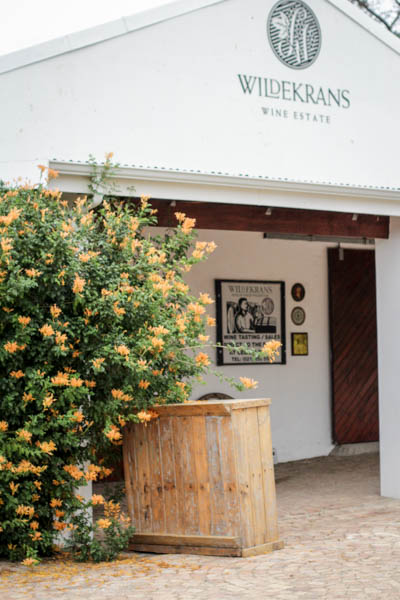
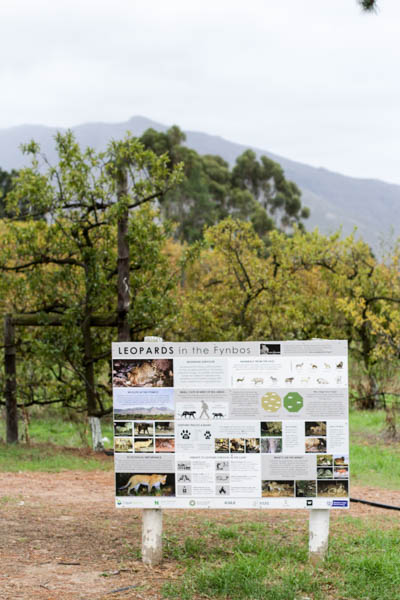
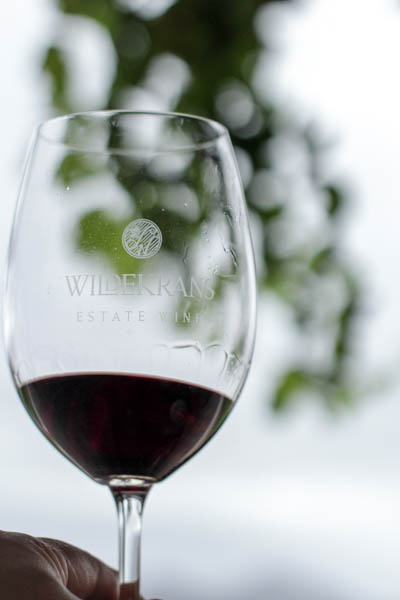
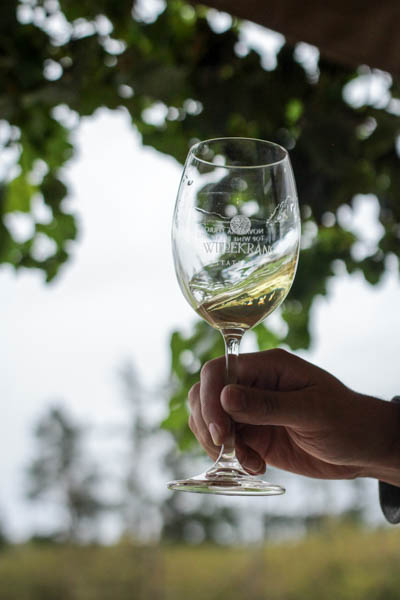
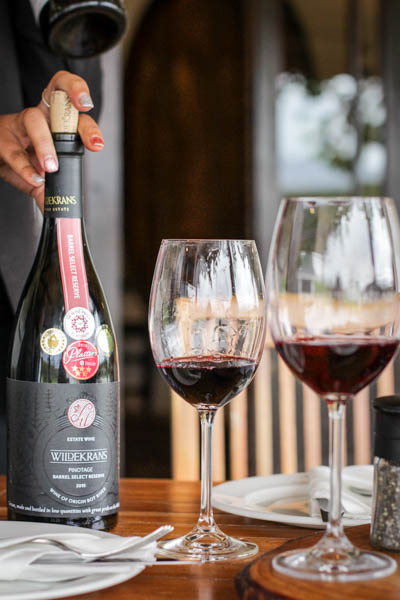
    Just a short drive away from Gabriëlskloof we reach Wildekrans Wine Estate. The first thing I notice is the informative board about mountain leopards that roam freely in the nearby woods, just then I had heard a crunch of leaves, my heart starts pounding at the thought that it could be a leopard lurking close by but to my relief it was only a cyclist zooming past. Okay, enough excitement for one day! Here’s why you should visit: the tasting room is situated in the original Cellar building built in 1936, which has been restored to its former glory, the Barrel Select Pinotage which a cool climate Pinotage show elegant complexity with delicious juicy red fruits and dark plum with hints of leather and tobacco on the palate. All this wine tasting can work up a decent appetite, next to the tasting room is their popular restaurant Forage. Sadly the kitchen was closed when we arrived.

    Beaumont Family Wines

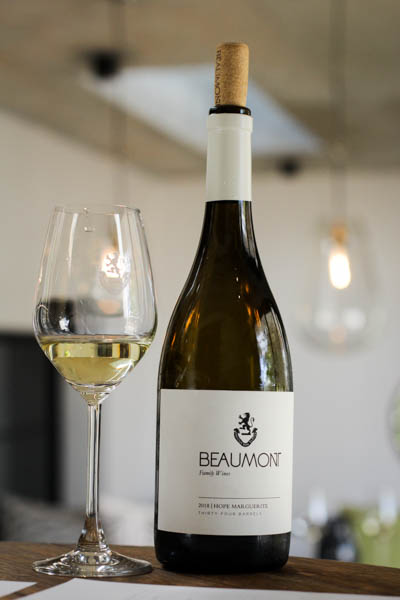
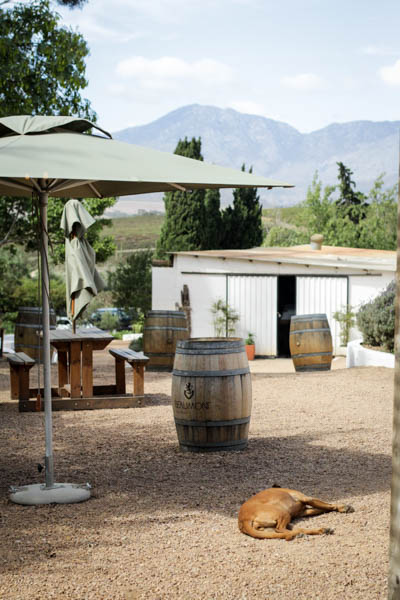
    Hosted by none other than Winemaker Sebastian Beaumont himself. He had sent his staff off to Cape Town for a post-harvest celebration, which meant he was manning the tasting room. We started off with the white wines and worked our way to the reds, my favourite from the first flight is the 2018 Hope Marguerite Chardonnay. My hubby’s fave is the Beaumont Vitruvian red blend. Why the peculiar name? The key component of their 200 yr old water mill is known as a Vitruvian Mill. This is where the inspiration for the name came from. We were lucky enough that it was a quiet time of day in the little town of Bot River that I got to pick Sebastian’s brain about wine, South Africa Wine on the international stage and how we are actually in a league of our own in terms of what we have to offer as a new world wine region. He surprised us with a little memorabilia for our honeymoon, a 2000 vintage bottle of Beaumont Mourvedré! Certainly one of those keepsakes you get to look at but don’t open, given its age. Thank you Sebastian for the hospitality and great memory we will always have!


    Luddite

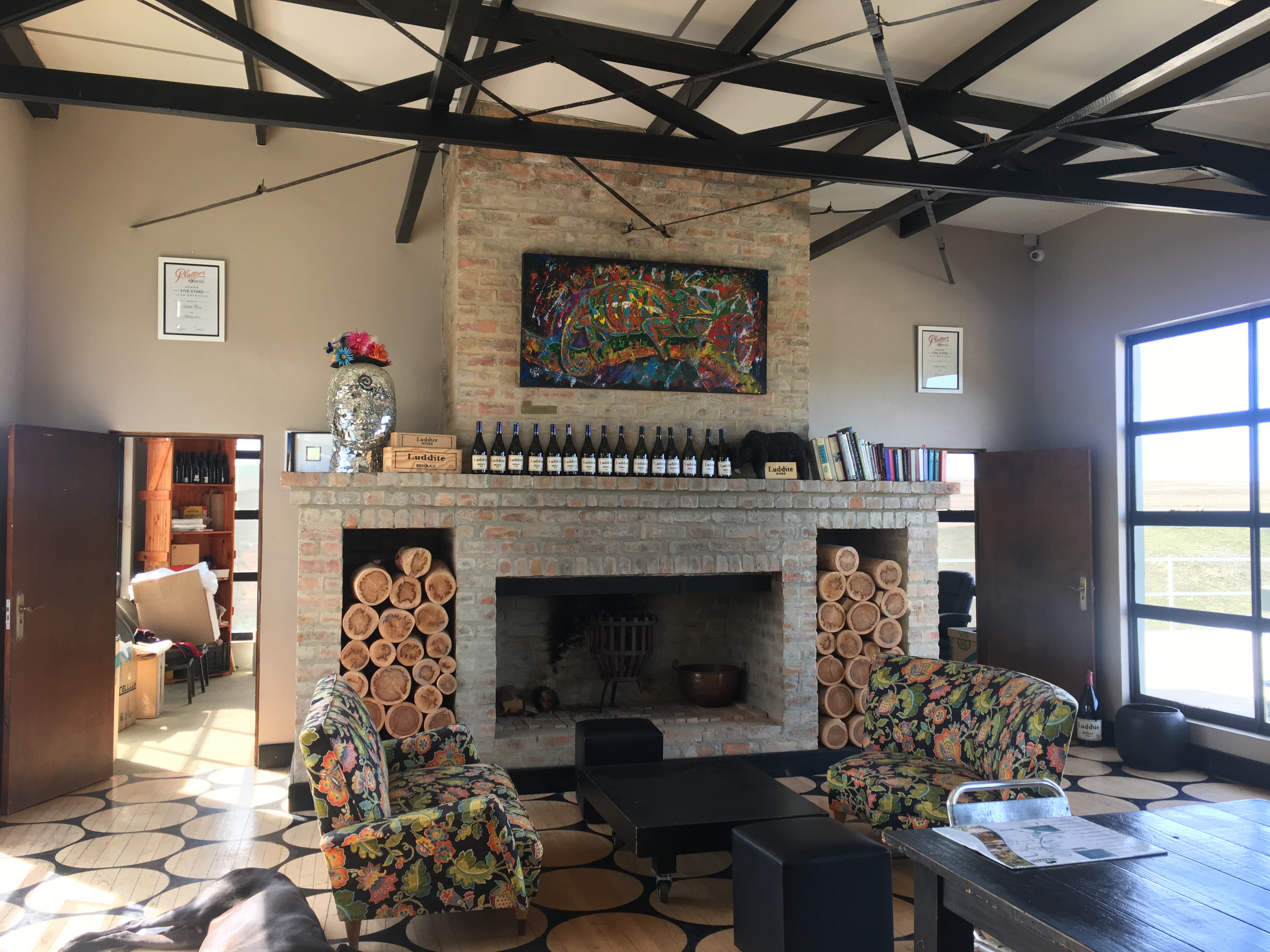
    It was at The Shortmarket club that the sommelier had recommended a glass of Luddite Saboteur red blend to accompany the chargrilled lamb rack, and what a match made in heaven! Ever since I’ve been a Luddite fanatic. A year ago, we drove from Cape Town to Bot River just to have a tasting at Luddite and to my surprise the winemaker, Niels Verburg had hosted it himself around the long table with other wine enthusiasts alike. That day we went back home with boxes of our favourite varietals and vintages and a jar of apricot jam that Niels had suggested we absolutely must take home.

    This time, having our Luddite wine stash back at home, we knew to make a stop as we headed out of the town to stock up on that delicious jam. Yes, it is just that good! The jam is made from apricots grown on the farm, and made on site too. I highly recommend you take a drive soon to see what i’m talking about.

    Eat Out in Bot River 

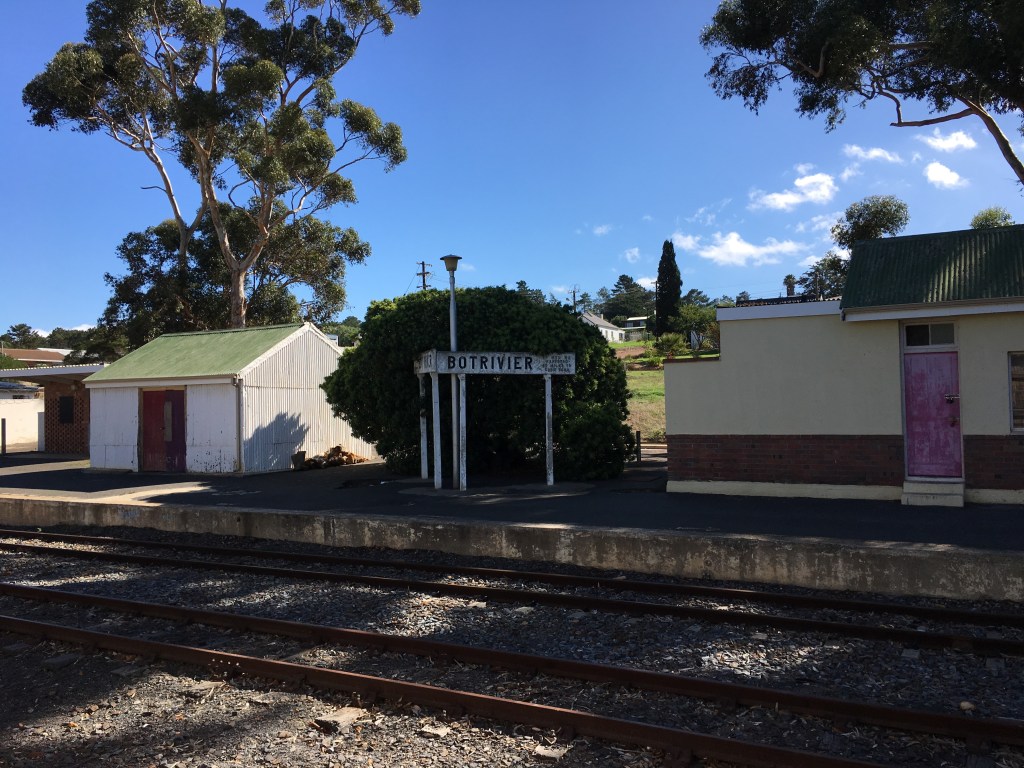
    Manny’s Kitchen serves the best damn chicken prego roll and chips I have ever devoured in my 31 years of life! Over the train tracks and what looks like an old train station is The Shuntin’ Shed. The theme is American dinner meets South African bistro. They serve up a mean gourmet burger and their pizzas are pretty good too. Although we never made it out to this vibey spot, The Bot River Hotel has a lovely restaurant which proves to be quiet busy every day.


    *These are my own views based on my experience thus this post is not sponsored. All accommodation, tastings etc was at our own expense. *


    Cheers!

    Dominique x


  • How to experience Groot Constantia’s visitor’s route

    How to experience Groot Constantia’s visitor’s route

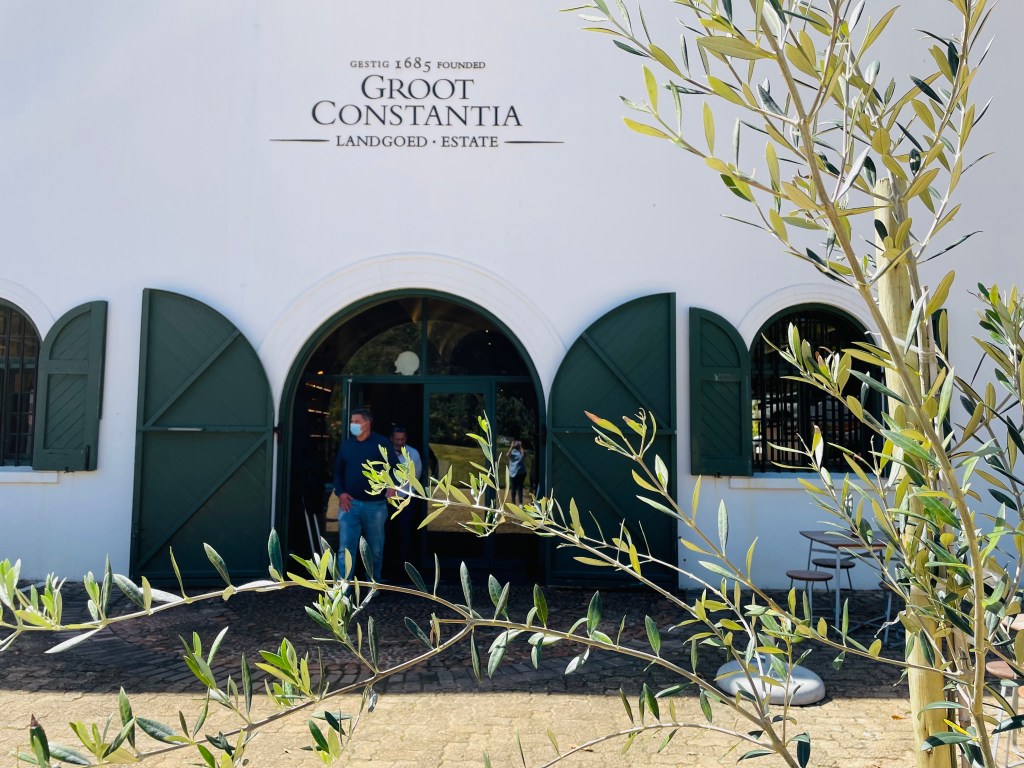
    Before the pandemic hit, Groot Constantia saw over 400 000 visitors per annum. Today the number of tourists both local and international are starting to pick up and the estate is abuzz with excitement again. While the estate is renowned for award-winning wines and of course has
    the prestigious title of one of South Africa’s oldest working wine estates, many are unaware that there is much more to explore at Groot Constantia.

    What is the Visitor’s Route?

    Groot Constantia’s Visitor’s Route is a result of years of hard work and extensive planning. The attraction is a slightly recent addition to the estate which is a family-friendly self-guided tour, which follows a specially designed circular route through Groot Constantia’s key attractions.
    Starting at the original Manor house, the tour takes guests to the famed Cloete Cellar, the original wine production cellar from 1791, and the birthplace of Grand Constance – the original sweet wines of Constantia that are famed as being Napoleon’s tipple of choice – ordering 30 bottles a month during his exile on St Helena Island. The Cloete Cellar now houses a wine museum and tasting room and here one can enjoy a wine tasting with your own Spiegelau
    crystal glass to take home as a special keepsake. From there, guests then head over to the modern Production Cellar, which is the departure point for the self-guided cellar and vineyard audio tours.”

    The birthplace of wine tourism


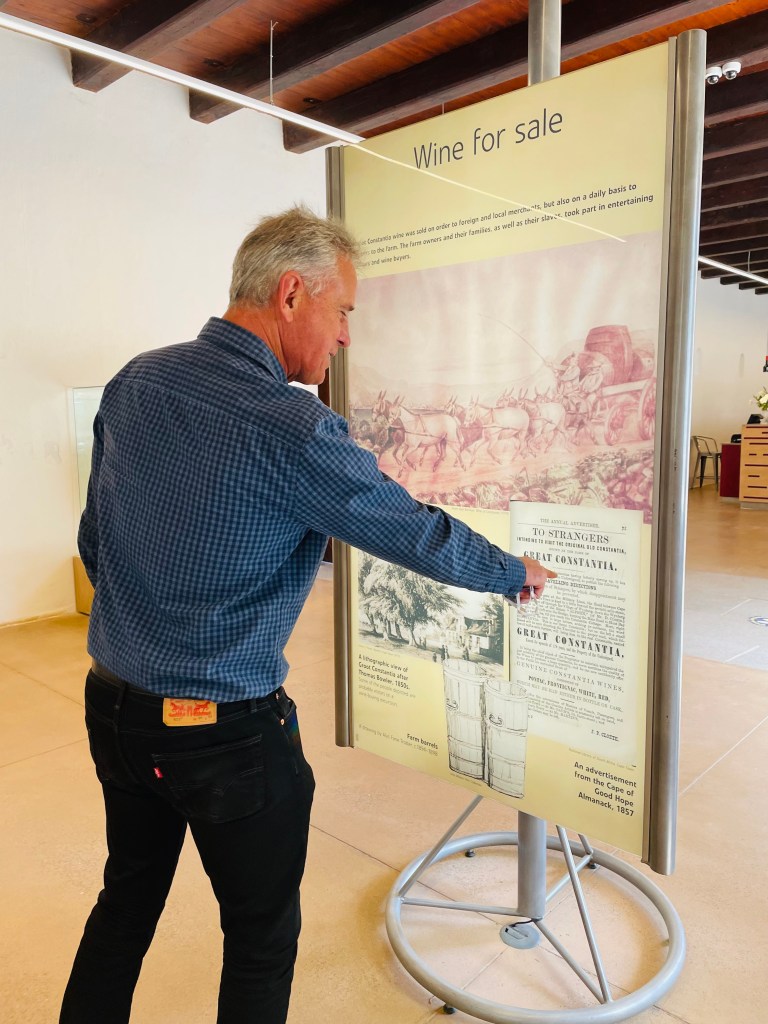
    Fun fact: Wine Tourism was originally initiated at Groot Constantia in the 1700s, with the first wine route directions drawn up for the benefit of visitors in that era. Over 300 years later and the estate continues to move from strength to strength and the Visitors Route is a natural extension, and a necessary step to hone its tourism offerings. The Visitor’s route is a monument not only to Groot Constantia but to South African wine production and its global fame.

    (Pictured here is Jean Naudé, CEO of Groot Constantia explaining the significance of the first wine route directions and the first advertisement for the Constantia wine route).


    What to do after the Visitor’s Route?


    Sip and Savour
    Visit one or all three of the estate’s tasting rooms (the Cloete Cellar included in the Visitor’s route) to get a taste of greatness and history.

    Dine with Groot Constantia Wine

    The famed estate plays host to two fabulous restaurants, namely Jonkershuis and Simon’s. Both have cozy indoor spaces to dine in or choose an alfresco set up to enjoy the beautiful view of the Constantia valley. The Jonkershuis eatery is known for its fresh and seasonal diverse range of local cuisine on offer – which never misses a beat! Simon’s has a more casual setup and is now under new management with new offerings on hand. Both restaurants are certainly a culinary experience.


    For more information visit http://www.grootconstantia.co.za or connect with Groot Constantia via social media on Twitter, Facebook and Instagram @GrootConstantia. To make a reservation at Jonkershuis contact+27 21 794-6255, or reservations@jhuis.co.za.

    To book at Simon’s contact
    +27 21 794-1143 or email info@simons.co.za.

    Although pre-booking is not necessary for the Visitors Route Experience, tickets can be pre-purchased from Webtickets (https://www.webtickets.co.za/event.aspx?itemid=1465426753). Alternatively, just arrive and purchase your ticket directly from Groot Constantia on the day. A ticket, which costs R95, provides access to the Manor House and Museum, the Cloete Cellar and Museum, a souvenir Spiegelau crystal wine glass, a wine tasting, and two audio walking tours.


    Take a step back into time and experience the visitor’s route this coming weekend.

  • NEWS: Backsberg’s new official look and home

    NEWS: Backsberg’s new official look and home

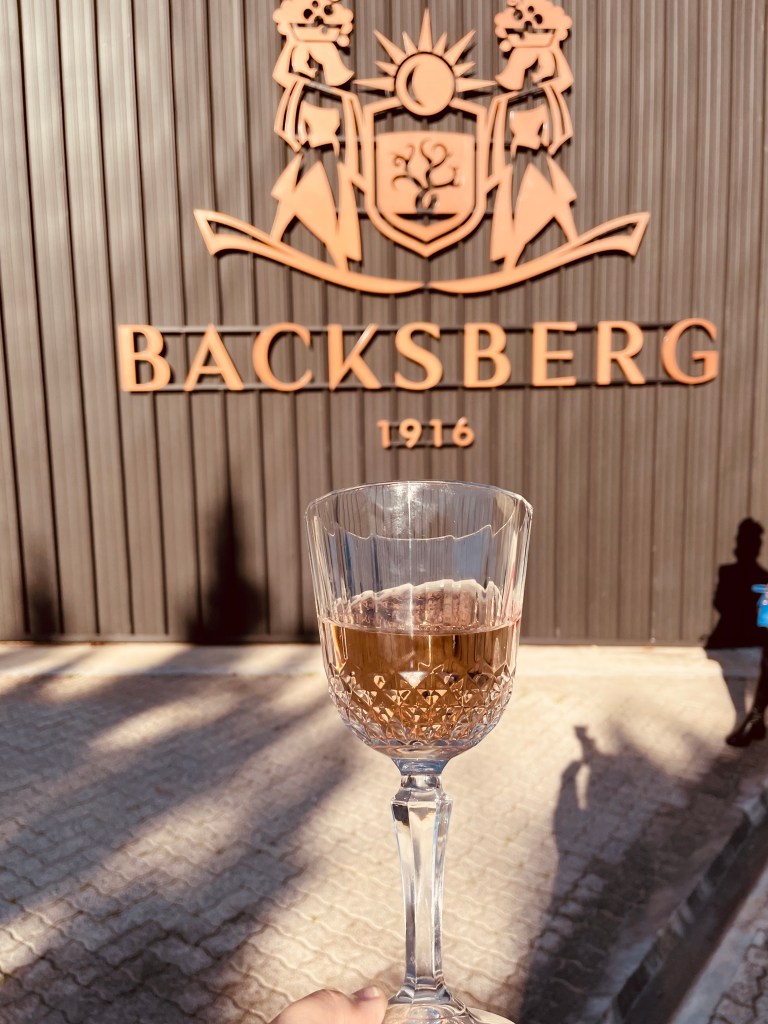
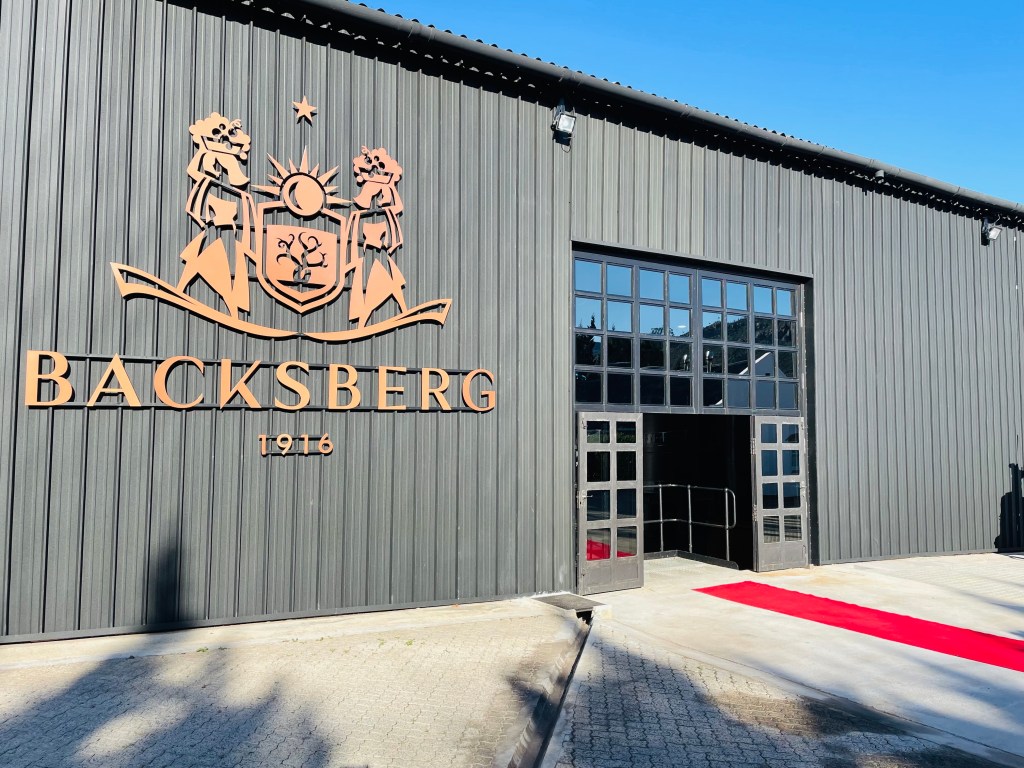
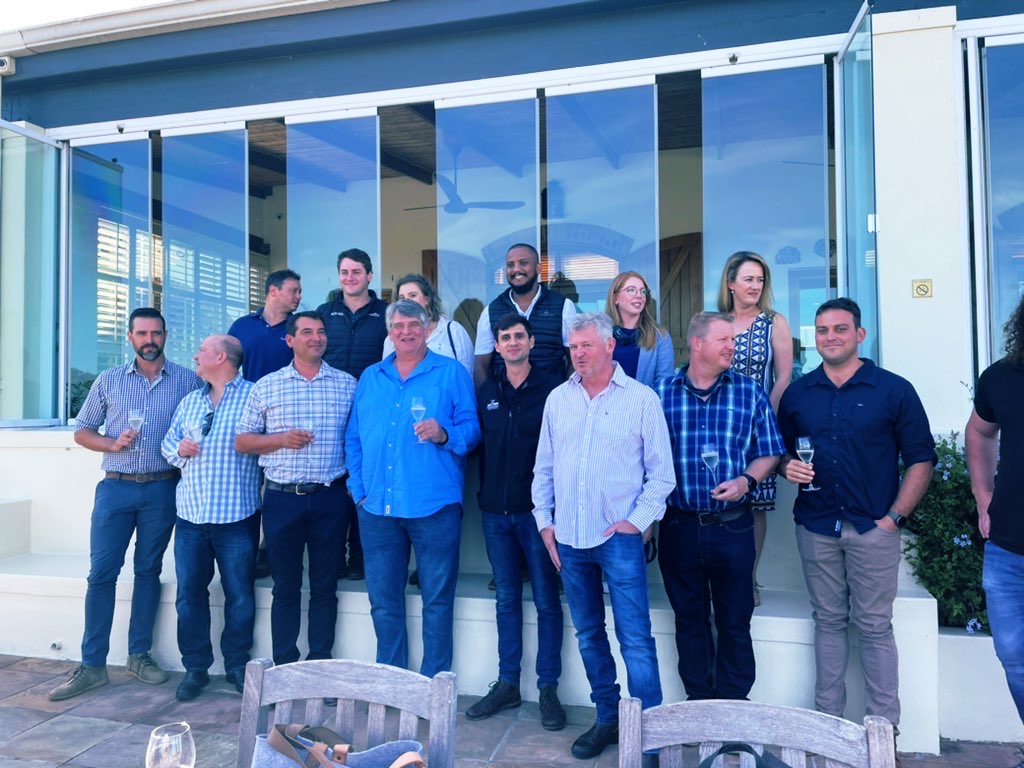
    Revitalised and reimagined, Backsberg has re-launched their brand, cellar and brand home. Now situated in Franschhoek, wine lovers can enjoy a refreshed portfolio of Backsberg wines – with a contemporary look and feel – from their new tasting facility, which overlooks the majestic Mont Rochelle Mountain Range. I attended the launch of their new home this week, and what a fabulous venue it is. A beautiful mix of historic nostalgia and modern opulence.

    Believing in always forging ahead, this update of the Backsberg Brand was inspired by DGB acquiring a majority shareholding and the start of a new journey as ‘Backsberg Family Wines’ with Simon Back representing the family on the board. “For more than a century Backsberg has been an iconic brand in the Cape Wine industry and we are excited to share our new direction for the winery which celebrates generations of family tradition in a modern and contemporary way”, says Tim Hutchinson, Executive Chairman of DGB. 

    Paying homage to the original Backs wine label that was prominent prior to the 1970s, the new Backsberg logo focuses on embodying the brand values in a timeless design. 

    Backberg’s new portfolio of wines includes three collections – Fifth Generation, Family Tree and Patriarch. In the Fifth Generation you’ll find 9 predominantly single varietal wines, each named after a special and significant place on the farm – Gravel Road Chenin Blanc, Hillside Sauvignon Blanc, Citrus Hill Chardonnay, Summer Berry Rosé, Ella Pinotage Rosé, Old Cellar Dry Red, Blueberry Row Pinotage, Plum Valley Merlot and Four Pillars Cabernet Sauvignon. Here you’ll find an offering of easy-drinking, exceptional wines with fresh and exciting flavours. 

    For life’s special moments, the Family Tree range includes the John Martin Cabernet Sauvignon Merlot blend, Pumphouse Shiraz and the Smuggled Vines Chardonnay – a collection which honours the people and places which have made significant contributions to the wineries history. 

    The Patriarch, Backsberg Family Wines’ hero bottle of Cabernet Franc, pays special tribute to the Iconic winemaking legend, Sydney Back. It upholds a strong sense of tradition and inclusivity of all members of the Backsberg family – from in the vineyards to around the dinner table. The complete range of Backsberg wines will be verified as “Carbon Neutral” by the end of July and a decal on each bottle will highlight this recognition and commitment to the environment.

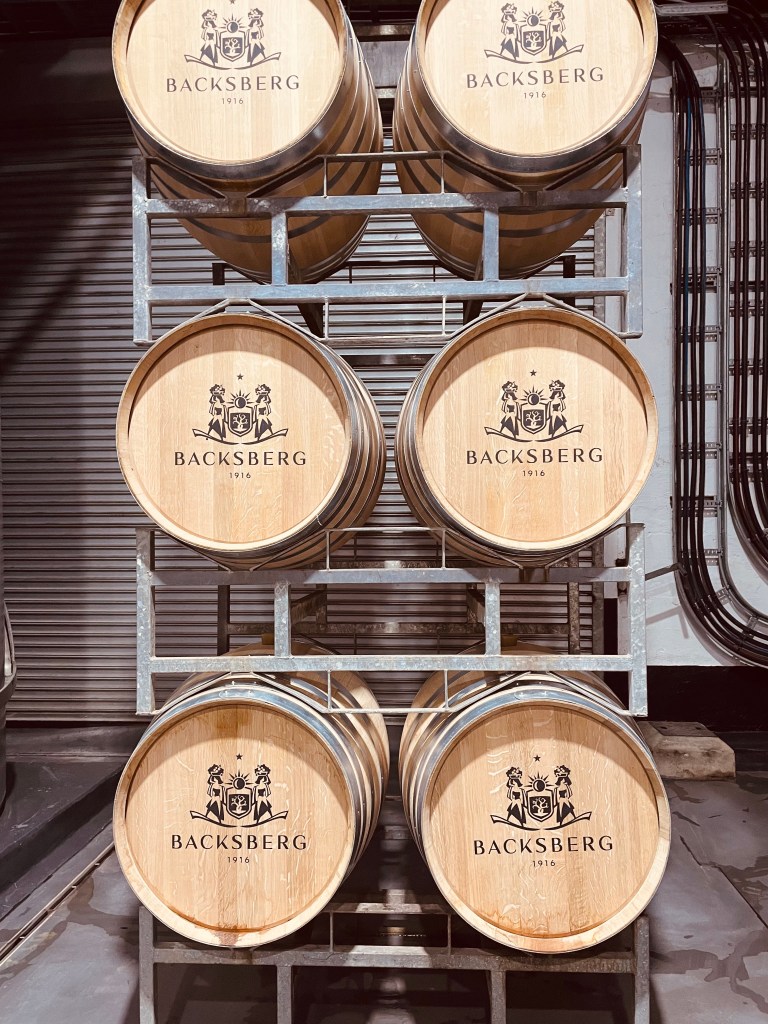
    The brand new tasting facility was built around an integral piece of history – a century year old tractor, which was transferred from the original estate to its new home in Franschhoek. Vintage wine-making equipment owned by the Back family is on display in the new venue, adding a museum-like element for visitors to enjoy. Placing great importance on sustainability, items from the farm such as barrels and wood chips have been repurposed to create lighting, furniture and design elements, fashioning a truly authentic look and feel to the new space. 

    The design and prime-positioning of the new cellar itself is something to behold. “One is often not privy to the heart of cellar action and that’s precisely what you’ll find here, a working winery with a majestic backdrop. One can even gaze directly into the cellar through the magnificent glass doors and is enveloped by the sights and sounds of daily winemaking life. The views are unparalleled and the wines stupendous”, says Backsberg’s Marketing Manager, Bianca Lenhardt. 

    In a move to cement Backsberg’s reputation as a crafter of fine wines the Kosher range has been re-positioned as Sydney Back Kosher Wines  and has been brought to life in larger than life form on an exterior tank at the entrance to the brand home. 

    To complement your wine tasting experience, a selection of pairings, both sweet and savoury, as well as grazing-boards and picnics in the summer months are on offer. Expect delightful dishes infused with local flavours such as fynbos salt-infused crackers, waterblommetjie wontons, a seasonal salad jar, smoked snoek samosas, trout spring rolls and an exciting wine jelly pairing, to name a few. 

    The Backsberg family can’t wait to welcome you to taste their latest collection of wines, browse historical memorabilia and soak up the magic of the natural surroundings that envelop their new home. 

    Opening hours: 10h00 – 18h00 Wednesday to Sunday

    Address: Backsberg Family Wines, Main Road R45, Franschhoek, 7690

    Socials: @backsberg 

  • Van Ryn’s 20 year-old Brandy awarded best in the world

    Van Ryn’s 20 year-old Brandy awarded best in the world

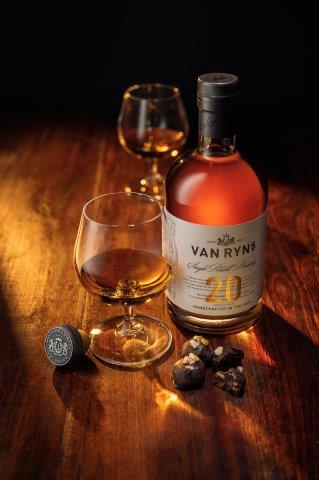
    South Africa is celebrating with the announcement that the locally produced Van Ryn’s 20-year-old potstill brandy has been awarded World’s Best Wine Brandy at the 2022 World Brandy Awards.

    The World Brandy Awards which see the finest brandies enter from around the world, is presented by TheDrinksReport.com, and rewards and promotes the world’s best spirits to global consumers and trade. 

    Each entry is tasted blind and marked to an agreed and strictly enforced scoring system. As well as nose, palate, and finish, judges review balance, character, complexity, and quality. 

    “This World’s Best title is the highest accolade any master distiller aims for. Our commitment to innovation, quality and the art of crafting exceptional brandy, comes full circle with yet another global recognition,” says Van Ryn’s Master Blender, Marlene Bester.”

    “The 20-year-old brandy is timeless and grandiose. The brandy captures the tradition of hand-crafted, authentic potstill brandy; a tradition we continue today, following in the footsteps of our founders who achieved Van Ryn’s first international award as far back as 1884.”  

    The Van Ryn’s 20-year-old potstill brandy started its journey as Chenin Blanc and Colombar wine. This base wine was then distilled in copper pot stills, one of which is over 200 years old and still used daily! The low wine coming off the stills was separated into three parts: the head, heart, and tail. Only the clear and pure liquid from the heart is used to craft Van Ryn’s brandies, and after a second distillation prepared for maturation.

    It’s during the maturation process where the brandy comes alive. When the colourless spirit is drawn off the potstills, the hand-selected oak barrels allow the brandy to come into character, developing the beautiful golden hues and concentrated flavours over twenty years. 

    The 20-year-old potstill brandy is a rich, decadent brandy, with delicate sweet vanilla, spice, and rose water, ending with a supremely velvety finish. 

    For the complete list of the 2022 World Brandy Awards visit the World Brandy Awards.

  • Durbanville Wine Valley unveils landmark Sauvignon Blanc

    Durbanville Wine Valley unveils landmark Sauvignon Blanc

    The inaugural vintage of a milestone Sauvignon Blanc wine has been released by the 13 wineries of the Durbanville Wine Valley that supplied the wine for its making. While collaborations of this scale are rare, it is the region’s reputation for pioneering and award-winning Sauvignon Blanc that makes this an outstanding contribution to the pantheon of South African wine.

    The cool, two ocean-influenced climate of the Durbanville Wine Valley is ideal for the slow and flavourful development of wine grapes, particularly Sauvignon Blanc. It is for this reason that Durbanville is one of oldest and most favoured wine regions at the Cape, consistently taking top international honours for Sauvignon blanc in particular. 

    Most recently, a Diemersdal expression received the trophy as overall winner in its category at the 2022 Concours Mondial du Sauvignon while Sauvignon Blanc from Durbanville Hills was among the few Gold winners at the UK-based Global Masters wine competition.

    Both wineries were contributors to the collaboration wine, simply named Durbanville Sauvignon Blanc, along with Altydgedacht, Bloemendal, Canto, D’Aria, De Grendel, Groot Phesantekraal, Klen Roosboom, Maastricht, Meerendal, Nitida and Signal Gun. Its final production was entrusted to veteran winemaker Charles Hopkins and Morgan Steyn of De Grendel.

    The launch of the 2022 Durbanville Sauvignon Blanc took place just days ahead of International Sauvignon Blanc Day on May 6*. And it follows on the heels of the region’s collaboration last year in the making of the now sold-out Master’s Vineyards Cabernet Sauvignon.

    Commenting on the latest addition, Charles Hopkins called it a “truly remarkable wine for the support and genuine enthusiasm that fruit was contributed by wineries of the valley”.

    Charles Hopkins – De Grendel winemaker

    “From the start, everyone grasped the significance of showcasing the quality and image of Durbanville Sauvignon Blanc,” he says.

    Contributing to the project were leading industry service providers Inbox Packaging, RAM Labels and the company that realised its standout appearance – Bravo Design.

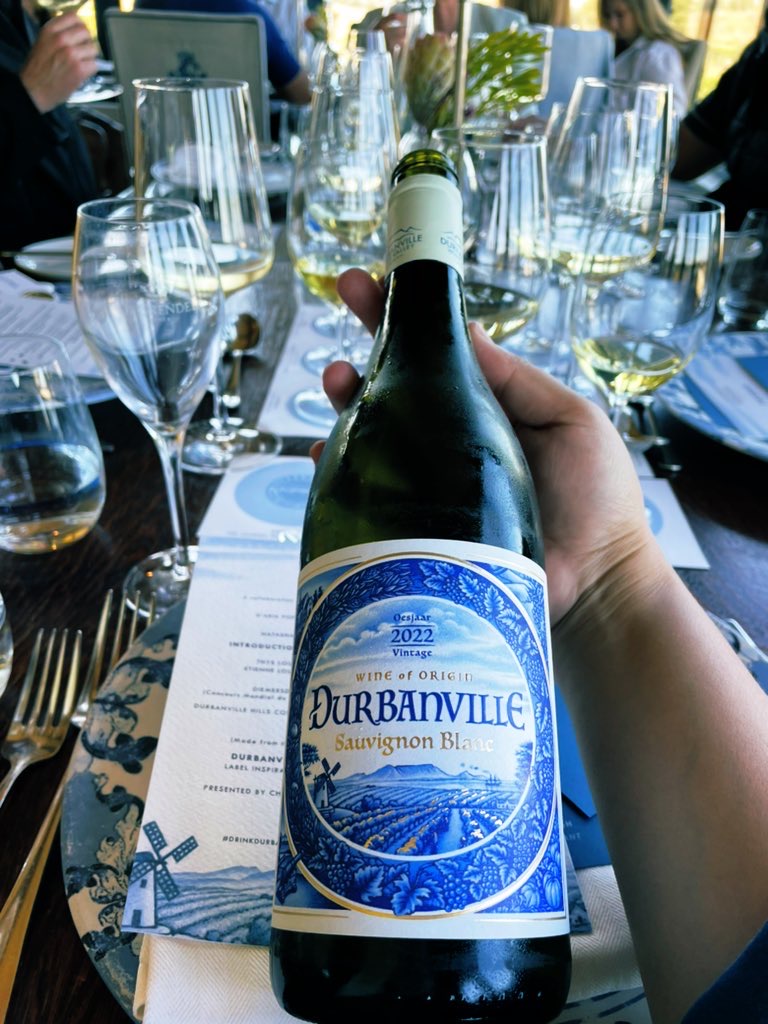
    The label highlights the many facets of Durbanville, with the vineyards and wine grapes as centrepiece alongside proteas – South Africa’s national flower as well as an indicator of nature-aligned viticulture.

    The region’s Dutch heritage is reflected in images of the historic Dutch Reformed Church, 1840 Onze Molen windmill and Cape Dutch homestead, as well as the Delft-blue rendering. Its proximity and link with the Cape are depicted through the view of Table Mountain, but also cannons traditionally used to signal local farmers that trading ships had arrived at Table Bay. 

    The association with agriculture also emerges in the tractor, grape harvesting, and pumpkins with the latter also a reference to the region’s original name. Pampoenkraal (Pumpkin Kraal) hails from Afrikaans, which is further represented in the word “oesjaar”, meaning vintage.

    Together, the elements speak of a rich heritage that has emerged from generational know-how and a history of sustainable farming. Together, they speak of a vibrant community eager and proud to show the wine contained within.

    The flavour and aromatic character of Durbanville Sauvignon Blanc generally falls in two camps – briny and tropical fruit – and is determined by the inner and outer valley location of producers. Together, they have produced a sublime wine ambassador for the region and indeed, South Africa.

    The 2022 Durbanville Sauvignon Blanc shows typical character of a young, unwooded Durbanville Sauvignon Blanc that has preserved defining aromas and flavours. 

    It’s a dry wine with an alcohol of 13.5%. The colour is a light, lime-green while the wine itself shows outspoken ester flavours of apple, pear, cold tea, and jasmine and thiols of tropical citrus, granadilla and blackcurrant.

    The winemaker’s notes describe it as being particularly full on the palate and suggest the wine as a wonderful aperitif or accompaniment to seafood, salad, pasta, and even light meat dishes.

    The inaugural 2022 Durbanville Sauvignon Blanc is available at the tasting rooms of the Durbanville Wine Valley and Tops @ Spar stores around Durbanville. It may also be purchased online via www.durbanvillewine.co.za.

    The wine sells for around R110/bottle. 

    For more information about Durbanville Wine Valley, visit www.durbanvillewine.co.za or send an email to info@durbanvillewine.co.za.

    Tag and follow Durbanville Wine Valley to get the latest news about events. Use @DurbanvilleWine on Twitter and Facebook, Instagram.