Nectarines are one of many of Summer’s amazing bounty that it has to offer.
I always miss seasonal summer fruits when it’s out of season and long for all things tropical and sweet in the wet winter months. Nectarines are basically peaches without all the fuzz. This luscious fruit’s name means ‘of or like nectar’ because of its sweet taste.
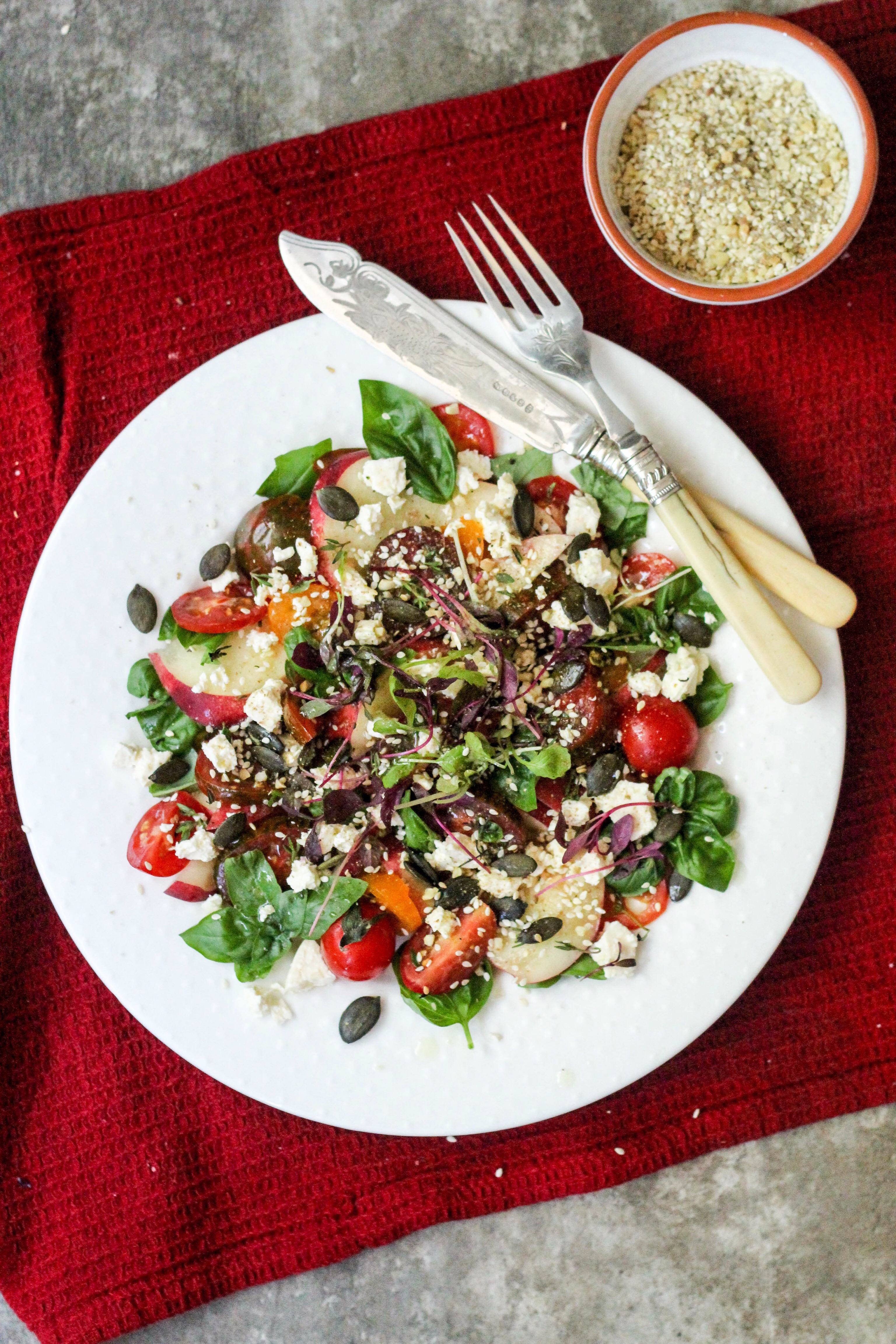
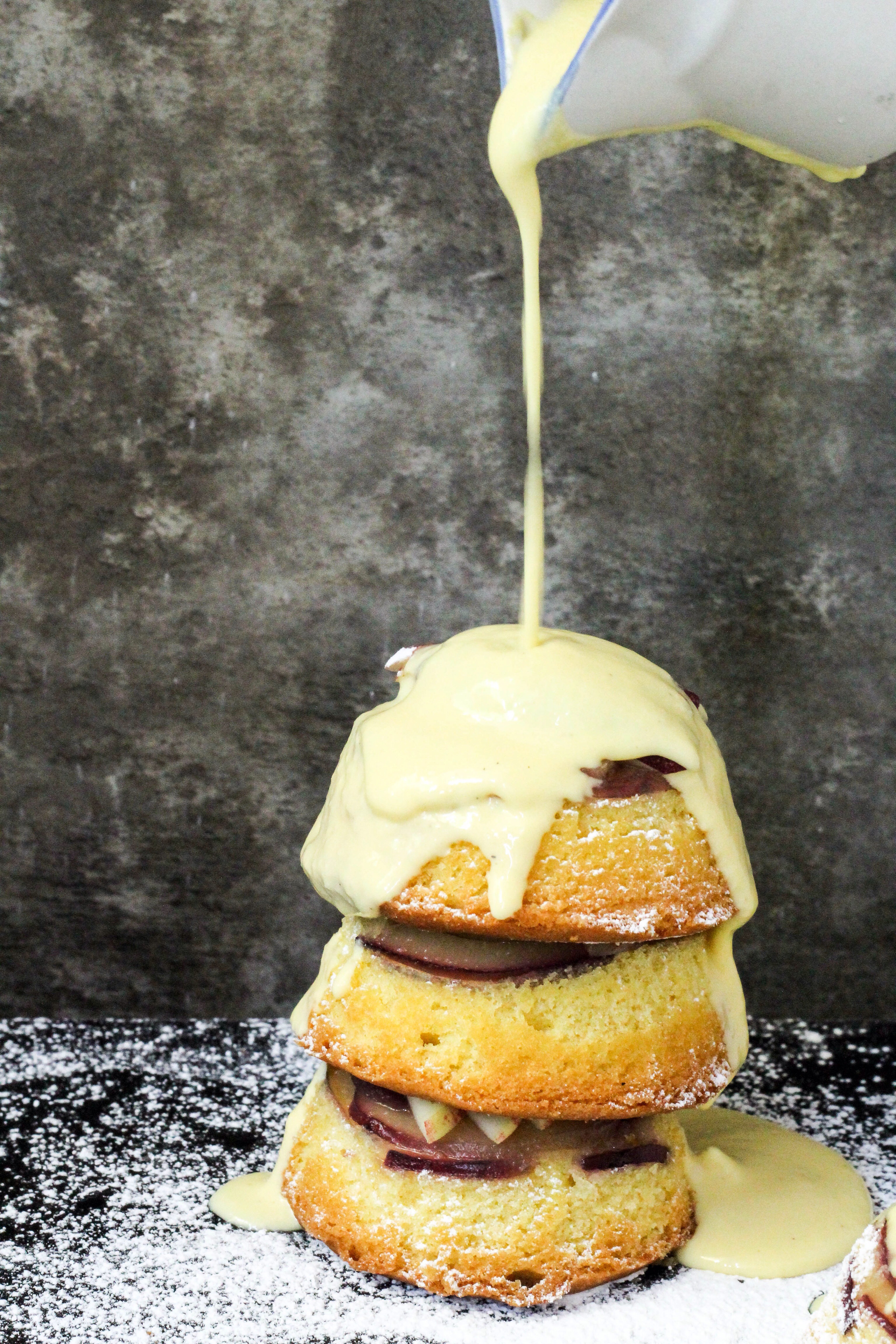
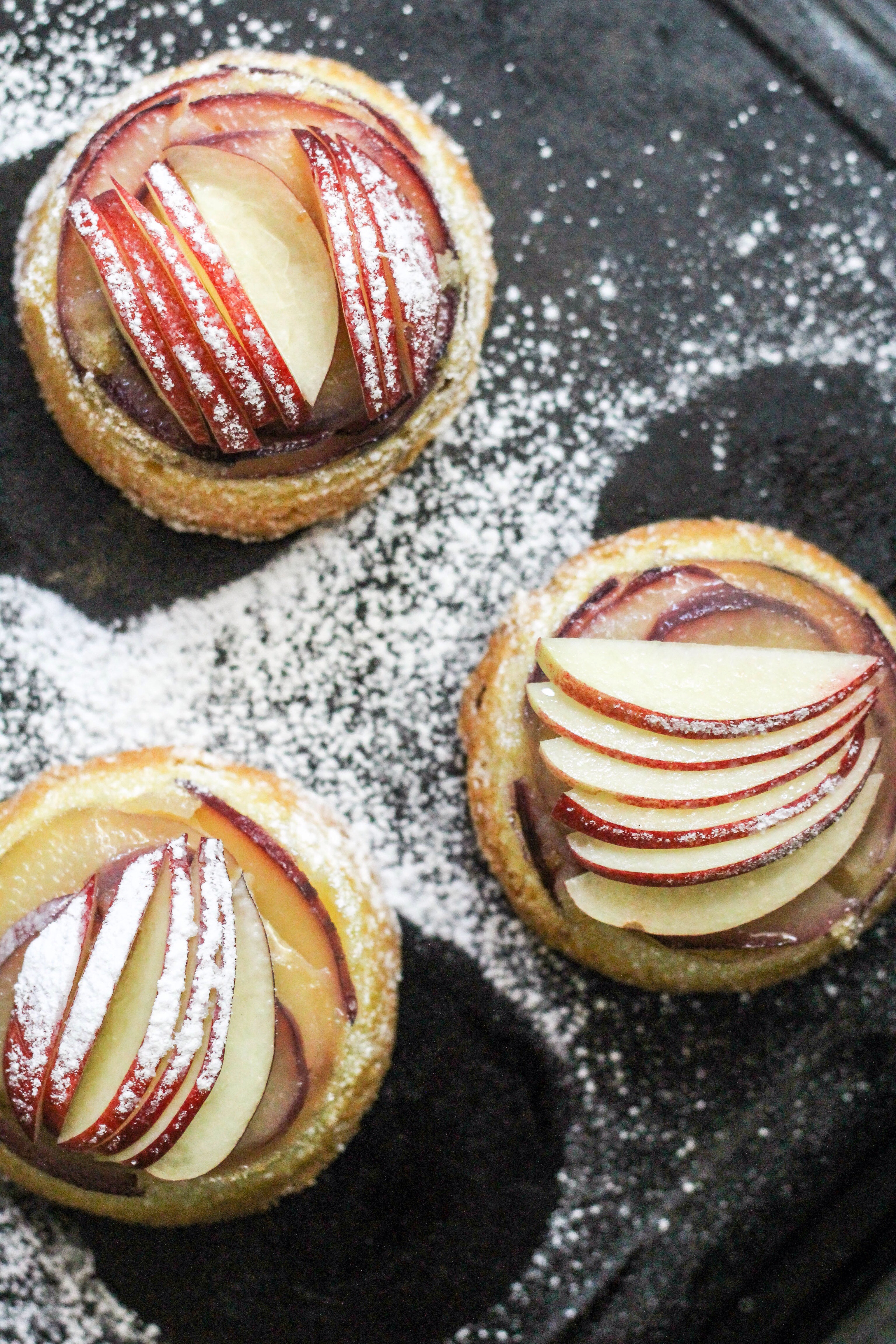
This week I made nectarines the focal point of both dishes, and am I glad I did! Woolworths stocks the most tastiest nectarines, my favourite is the white flesh ones. They’re super juicy and so sweet. It’s just a no brainer to use these beauties in every dish imagined. I made two dishes for this post, a nectarine, feta and tomato salad and little nectarine puddings. Nectarine, tomato and feta salad: Ingredients:
– Two nectarines
– Handful of Cherry tomatoes
– A few chunks of feta
– Two tablespoons of Pumpkin seeds
– Basil leaves to garnish
– Olive oil to dress the salad
– Pinch of salt to season
-Egyptian dukkah to sprinkle over
Method:
Slice the nectarines as you wish and break up the feta into chunks and add to the plate. Half the cherry tomatoes and add to the plate. Lightly toast the pumpkin seeds and set aside. Add the basil, and scatter over the pumpkin seeds, season with a pinch of salt, the dukkah and dress with olive oil.
Nectarine pudding: Ingredients:
– Three nectarines
– 175g softened butter
– 175g castor sugar
– 175g self-raising flour
– 3 free range eggs
– Fresh custard to serve. Method:
Preheat the oven to 180 degrees C. Slice the nectarines into thin slices and place on the bottom of a greased muffin pan. In a bowl, beat together the softened butter and sugar until pale and fluffy. In a different bowl, whisk the eggs and add gradually to the butter sugar mixture with some of the flour to stop from curdling. Once all of the egg mixture has been added fold through the rest of the flour. Using a big spoon(I used my ice cream scoop) take a spoonful of batter and place into each hole of the muffin tin. Bake for 12-15 minutes, until a skewer inserted some out clean. Serve with fresh custard and a dusting of icing sugar of you will.
This recipe for the pudding is adapted from Delicious UKI’m going on a little holiday this week, and while I don’t really want to pack away my styling kit and shutdown my wordpress interface, I think I am in need of fresh sea breeze, sand between my toes and different scenery kind of downtime, if you know what I mean. I’ll be back again next week, refreshed and inspired.
For me, there’s nothing quite like a piping hot cup of Rooibos tea. The sweet fragrant taste makes it one of my favourite teas, best enjoyed with two national heroes, a slice of Milk Tart or a few Eat Some Mores!(shortbread cookies)
National Rooibos day was celebrated on the 16th of January, and is the very first year of establishment. Rooibos is part of our diverse Fynbos kingdom and is native to the Cedarberg mountains in the Western Cape of South Africa. It has so many health benefits, from lowering blood pressure to preventing heart disease and strokes. This powerhouse is packed with flavonoids and antioxidants.
So in celebration of this week’s past national Rooibos day I wanted to share with you something that is truly a national treasure in South Africa. A while back I tried out a recipe of smoking Angelfish fillets with Rooibos tea leaves and judging from the success of it by how much my partner loves it, I knew I had to up my game and try an entire dish around Rooibos and maybe even trying it with a different type of fish. I had fun developing this recipe, all those Masterchef Australia episodes watching George plate up finally paid off! I’m not quite there yet, but there are a few techniques I am happy about.
Like all things that take time perfecting, practice makes perfect!
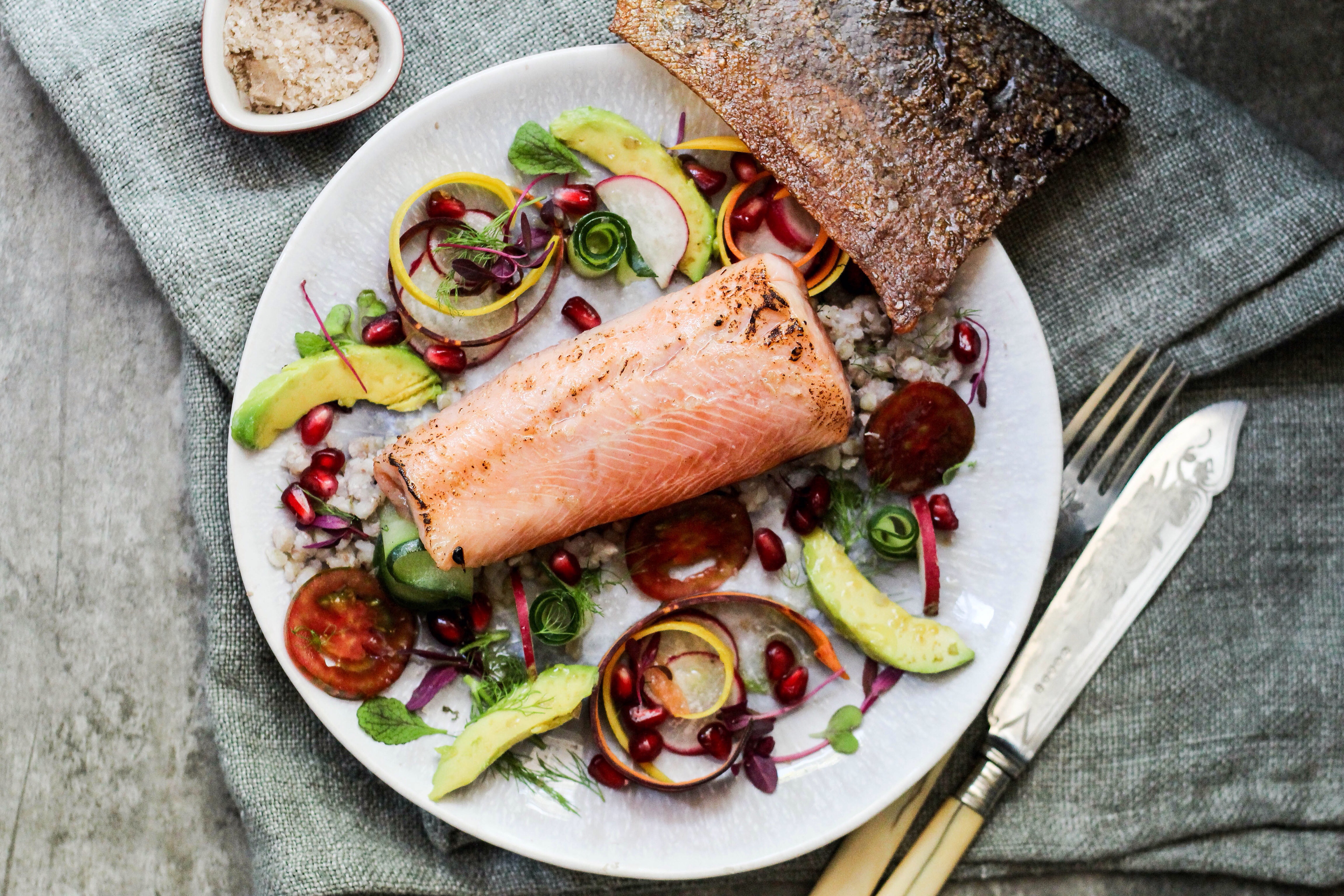
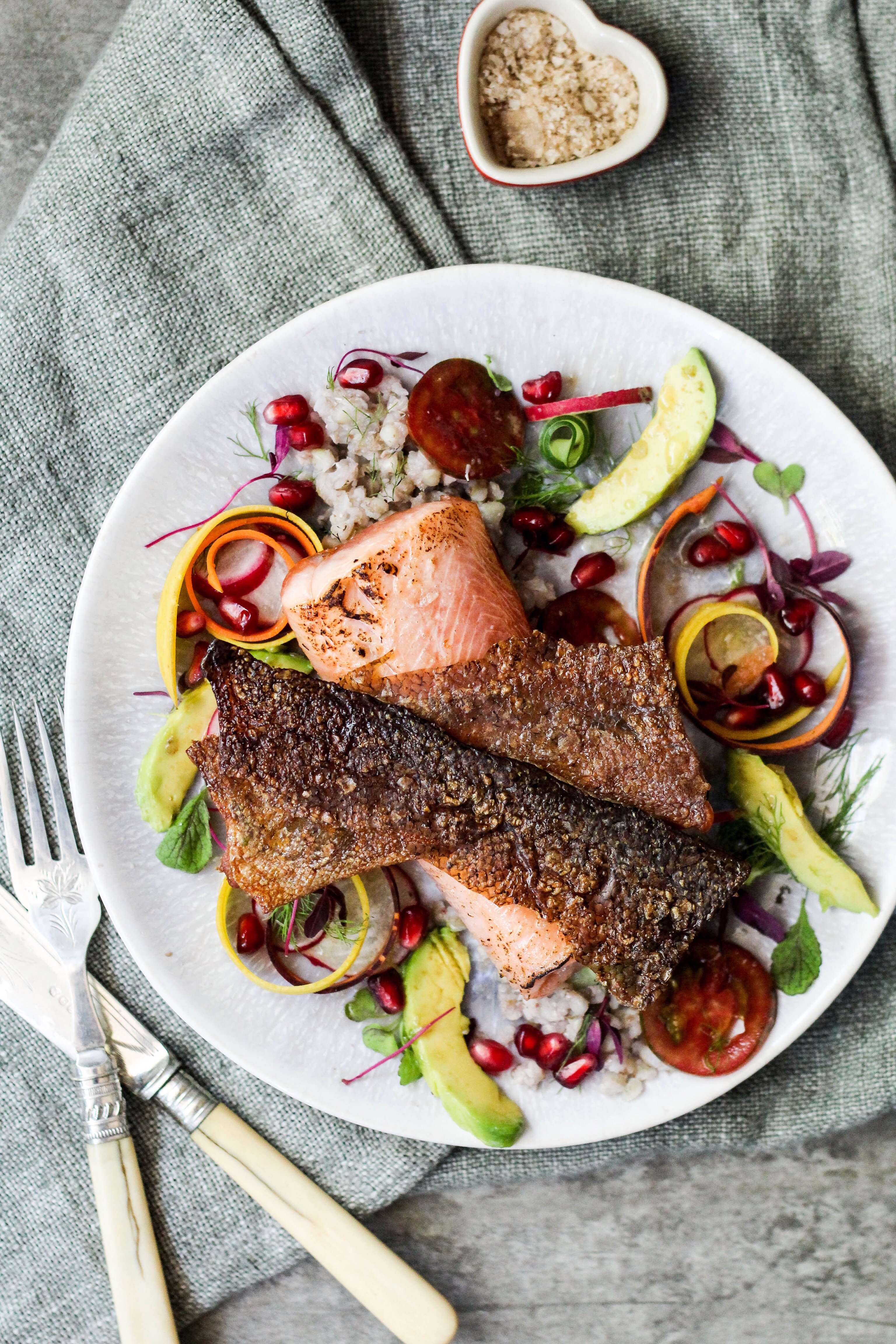
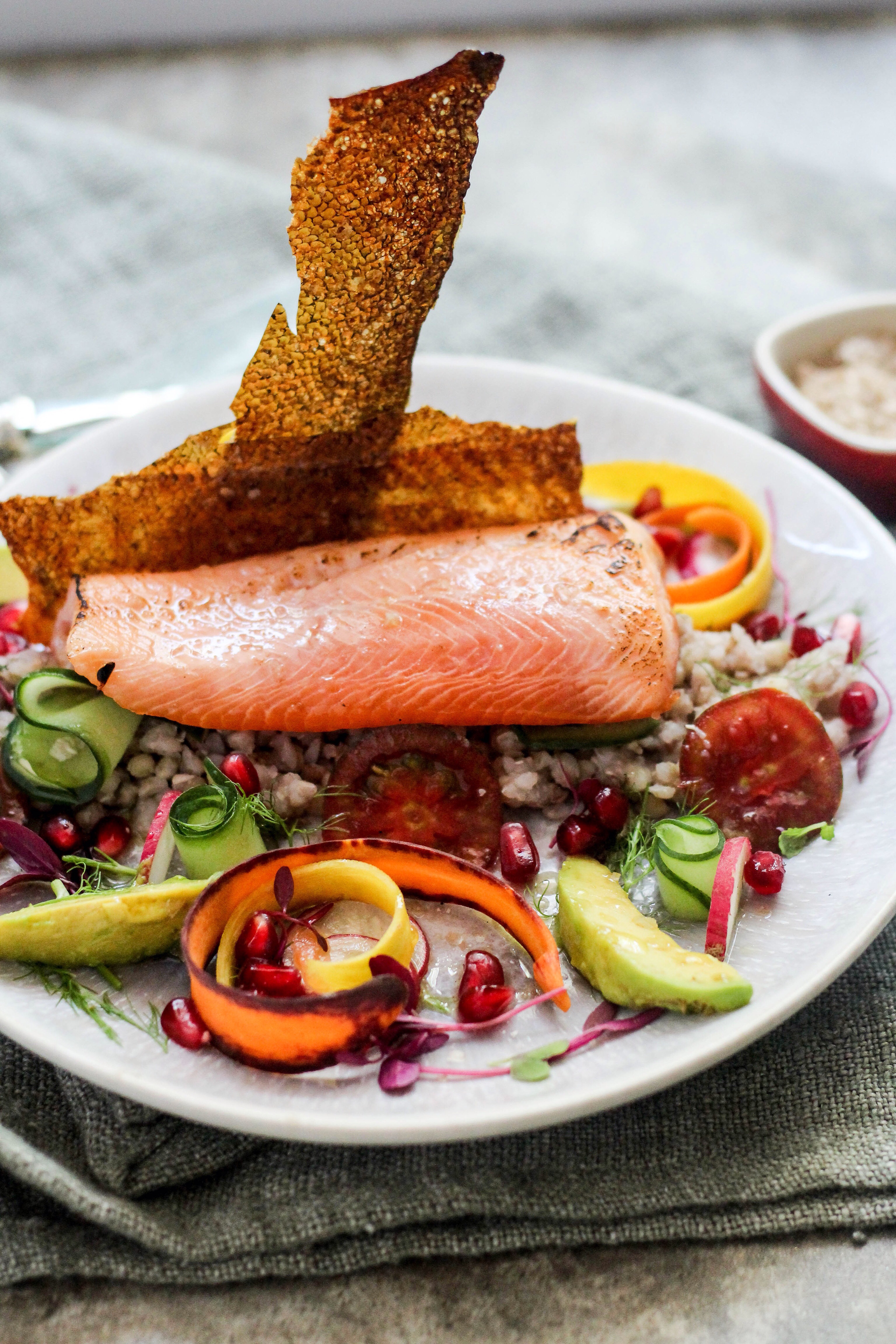
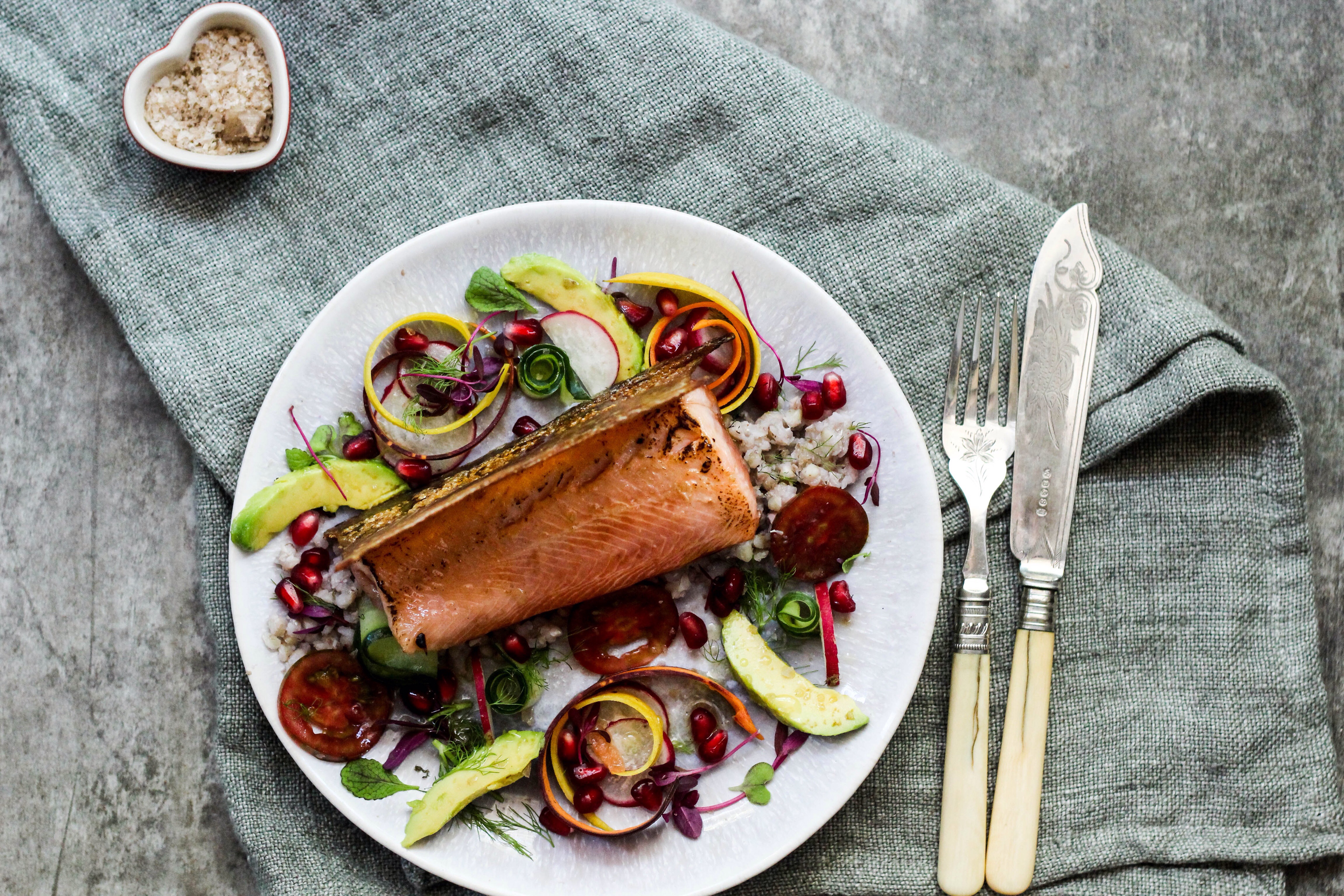
Rooibos tea smoked Trout with a Buckwheat salad.
Equipment:
*Blowtorch
*2x roasting trays with rack.
*Pin Bone tweezers Ingredients:
-Trout fillet
-4 Rooibos tea bags(torn and bags discarded) or four tablespoons of Rooibos tea leaves
– 100g buckwheat(thoroughly rinsed)
– Half of an avocado
– Smoked sea salt to season (I used Maldon Smoked Sea Salt)
– Olive oil
– Sliced mini rosa/exotic tomatoes
– Pomegranate rubies
– 4 rainbow carrots(peeled using a vegetable peeler
– Mini cucumber (peeled using a vegetable peeler)
– 4 radishes finely sliced
– Microherbs to garnish. Method:
Bring 500ml of water to a rapid boil in a large saucepan, add the rinsed Buckwheat to the boiling water and reduce to a simmer for 20 minutes(keep stirring throughout) until all water has been absorbed. Take off the heat and leave aside to cool, once slightly cooled, using a fork separate the grains until a fluffy texture is obtained.
To prepare the trout, using a pin bone pair of tweezers, carefully feel along the fillet for bones and extract.(be patient and respectful of the ingredient, as you don’t want to be in too much of a hurry as to destroy the piece of fish)
Carefully peel back the skin of the trout , using a sharp knife to help with the process, season the skin and place between two baking trays lined with baking parchment both under and over the skin. Bake in a preheated oven at 200 degrees C for 10-15 minutes. Set aside until assembly.
Season the fillet with a pinch of smoked sea salt and rub a little olive oil on the trout and place on a wire rack.
Break open the Rooibos tea bags discarding the bags and add to the bottom of a roasting tray,taking a blowtorch, torch the tea leaves until smoking, be careful not to torch in one place for too long. Place the rack with the trout in the tray and cover with another tray to insulate the smoke. Lifting the lid every now and then to torch the leaves every few minutes until desired smokiness is achieved. Seeing this cool technique on Neill Anthony’s Private Chef show, I used the blowtorch again, I lightly torched the trout until light pink, for a few seconds. This gives the fish a little char and added texture.
Slice the radish, tomatoes, avocado and drizzle with a little fresh lemon juice. Clean and peel the carrots into thin strips, if you like my presentation, you could curl the carrot strips and place on top of the radish on the plate.Arrange and assemble as you like, I placed the buckwheat in the middle of the plate in a line and placed the trout on top of the buckwheat and place the crispy trout skin over the fillet or break into shards and scatter over plate. Season to taste and drizzle with olive oil.
*If you like, you cod make a simple dressing of a little olive oil, lemon juice, honey and mustard, just enough to dress the plate. I didn’t make a dressing as the buckwheat wasn’t dry to warrant it, also the avocado lends a creamy texture to the dish to counteract with the crispyness of the skin and smokiness of the fish.
*if you don’t own a blowtorch you could use your stove top to achieve the smoking of the trout, add the prepared roasting tray on two stove plates. And if you like, you could lightly sear the trout when smoking is done.
I had a lot of fun developing and shooting this recipe by only using what is in season as an inspiration for this dish. This was dinner last night, and what a sublime treat it was.
Try it for yourself and let me know what you think.
Happy weekend and happy feasting!
I’ve been struggling to come up with blog posts lately, mainly suffering from ‘writers block’, which to me is weird as I am immensely passionate about fare and find I can talk about food for hours on end if you pick my brain I will happily engage in conversation about my basic knowledge of food. However there’s just one little problem, you see I’m an introvert, and a rather shy one. But like an onion I have so many layers, if you peel me back…
I tend to compose posts and recreate recipes only when inspiration has struck. My kind of Inspiration, could be that instantaneous revelation of how ‘ugly’ distorted veg is hardly ever used these days, or asking myself questions, like “why can’t candy floss be savoury?” Yes, these are indeed the strange yet wondrous questions I ask myself.
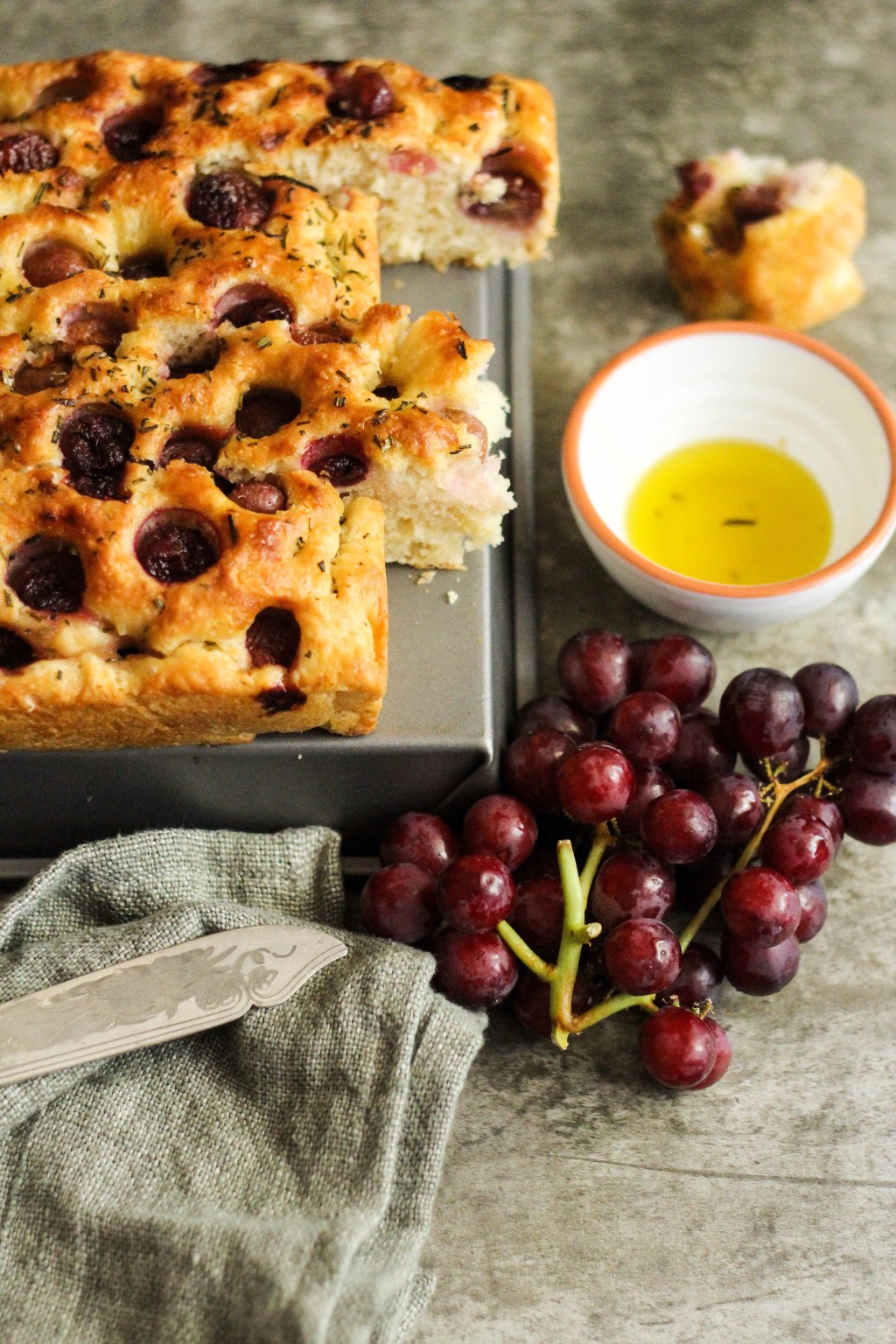
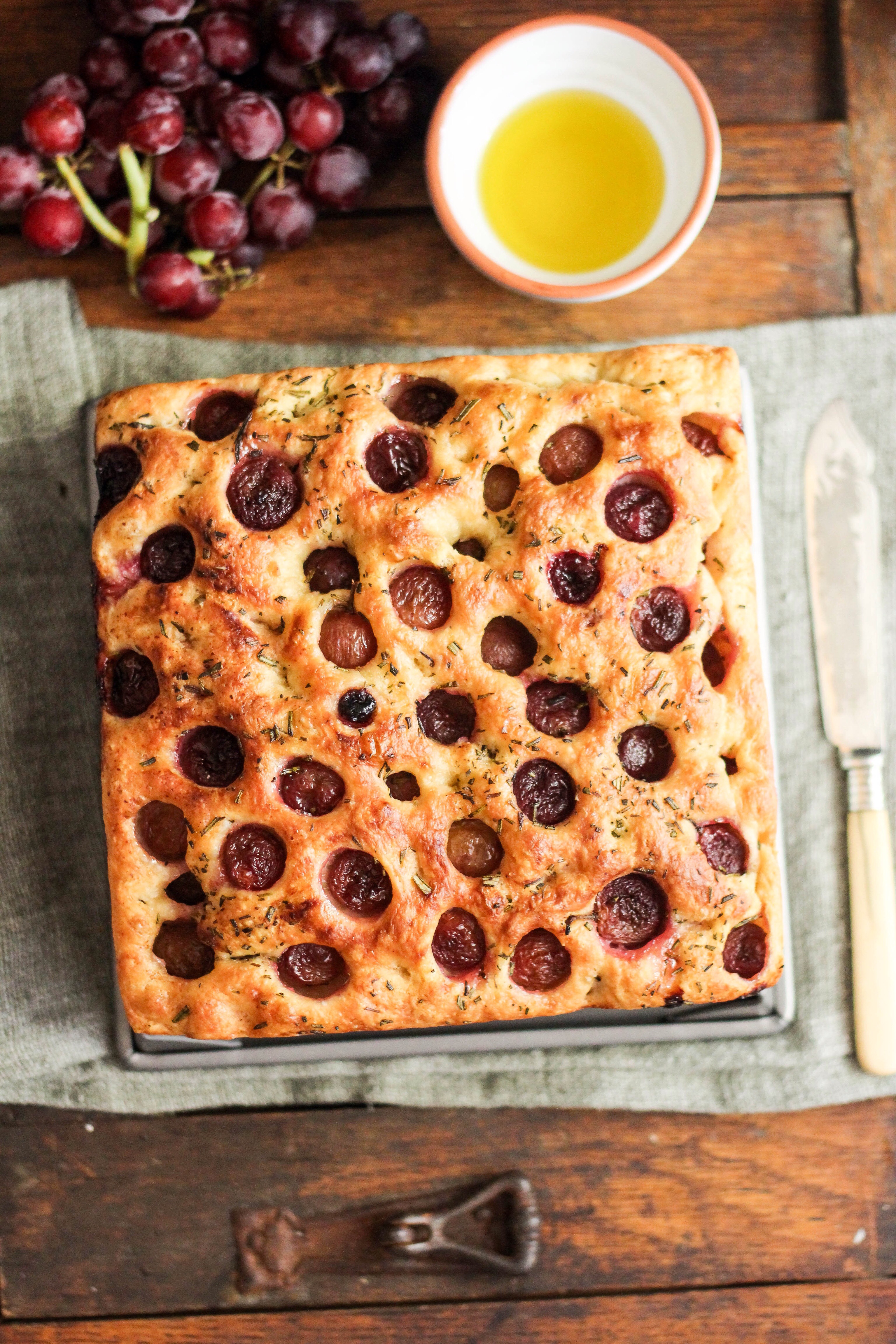
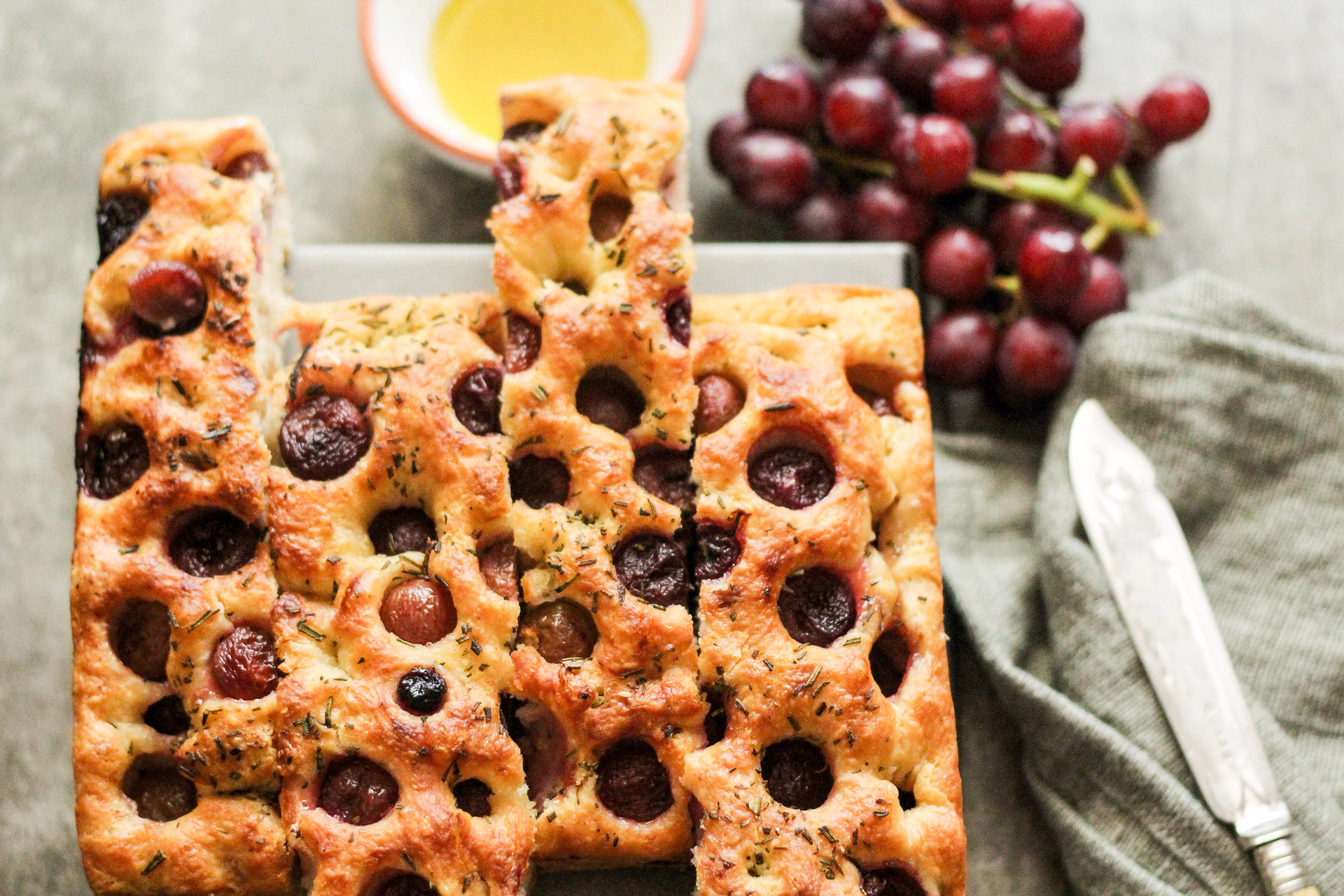
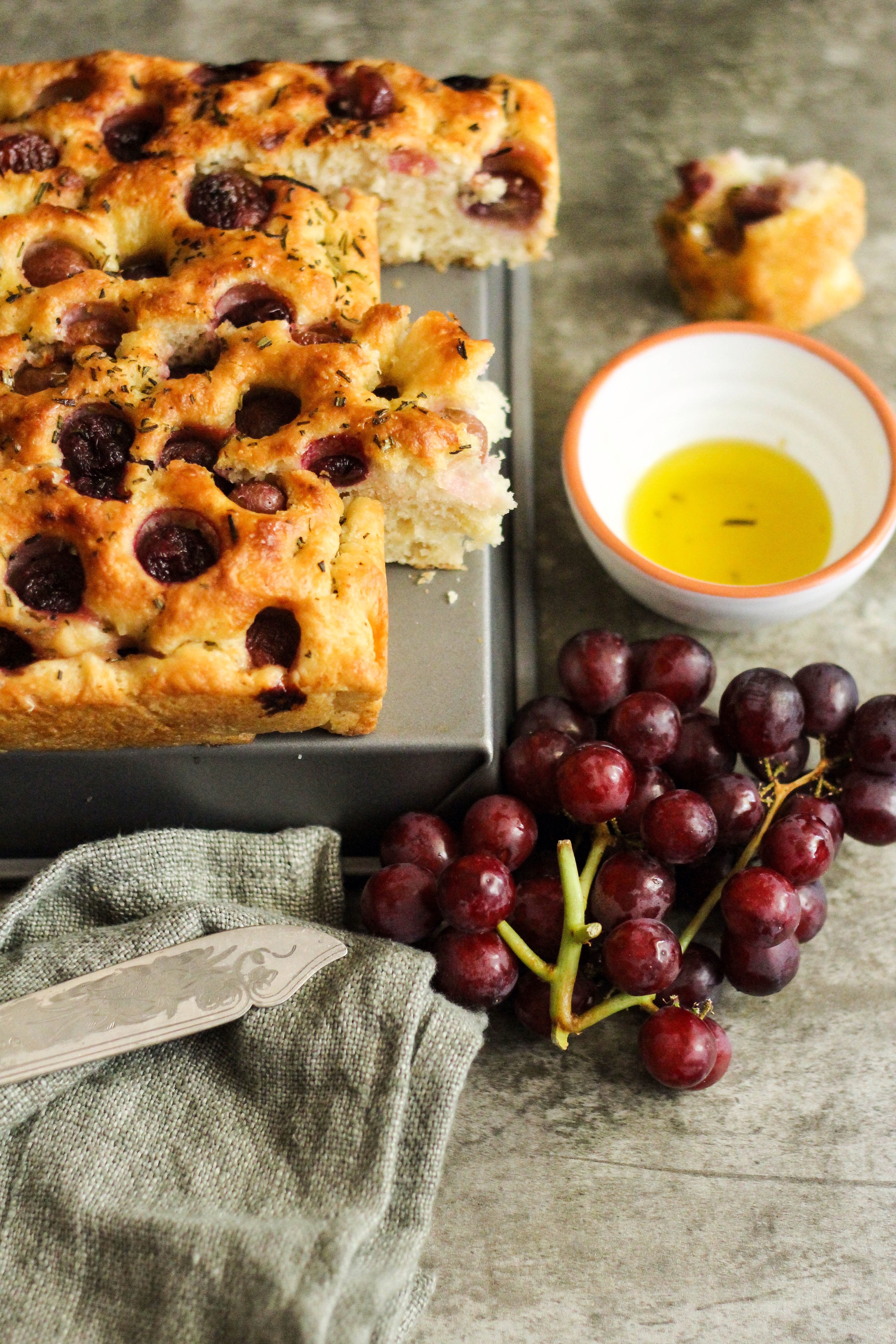
(Cue the Oprah voice) I Love Bread! and thank god I am not gluten intolerant. I cannot imagine my life, I cannot imagine life in general without the sustenance which is bread. So as an ode to my great love of bread, I recreated a recipe adapted from BBC GoodFood , a no knead focaccia with an interesting twist.
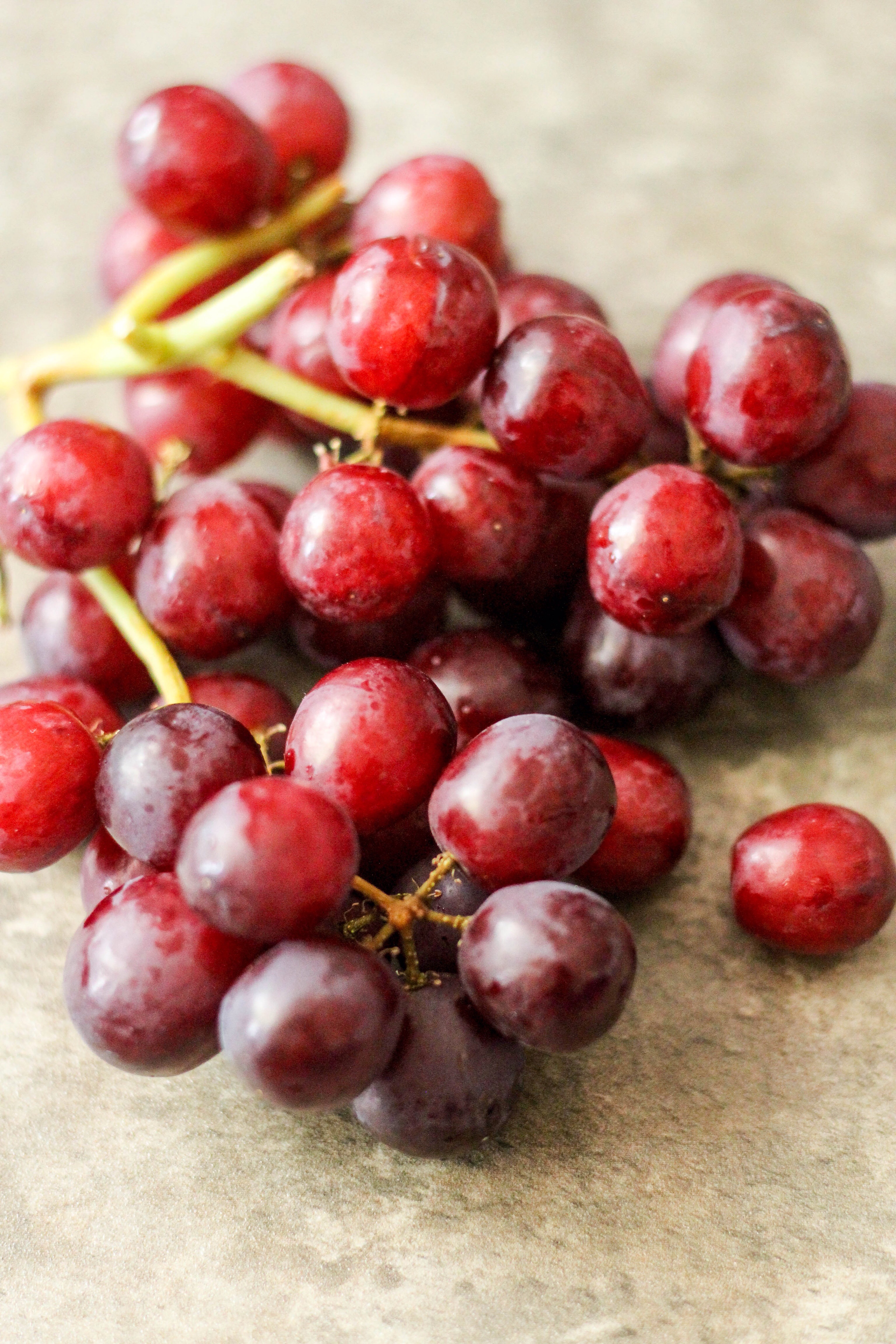
The photos were taken yesterday early noon as soon as the bread came out of the oven. I started making the dough Monday evening already to ensure successful proving. The red grapes were really sweet, strangely enough not only did they look like cherries but they had the same sort of sweet taste too. These grapes are great for snacking without all the guilt of crisps or sweets. I’m a notorious snacker and I’m trying to make a real effort to snack healthier these days, more for health reasons than anything else.
A tad off topic, this time of year Cape Town gets very busy, the craziness lasts till mid-end of January, I do love that fact that people continue to visit our unique country and city. There are many times I feel incredibly privileged to live around such beauty and authenticity. The crazy traffic on the roads and in the shopping centres is something you learn to tolerate and avoid if you’re lucky, but there’s no place I’d rather be this time of year, than right here in my home city.
Dominique x
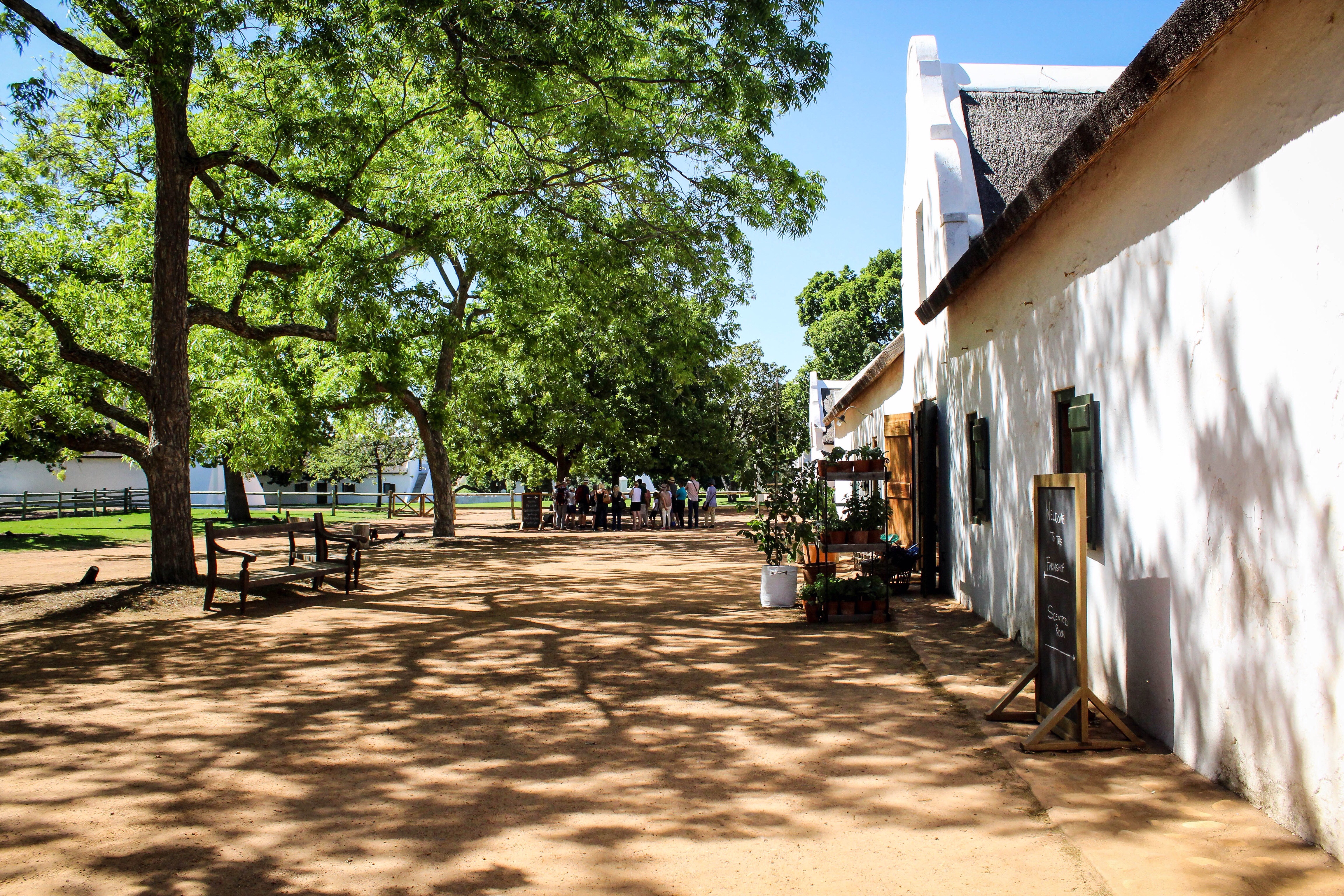
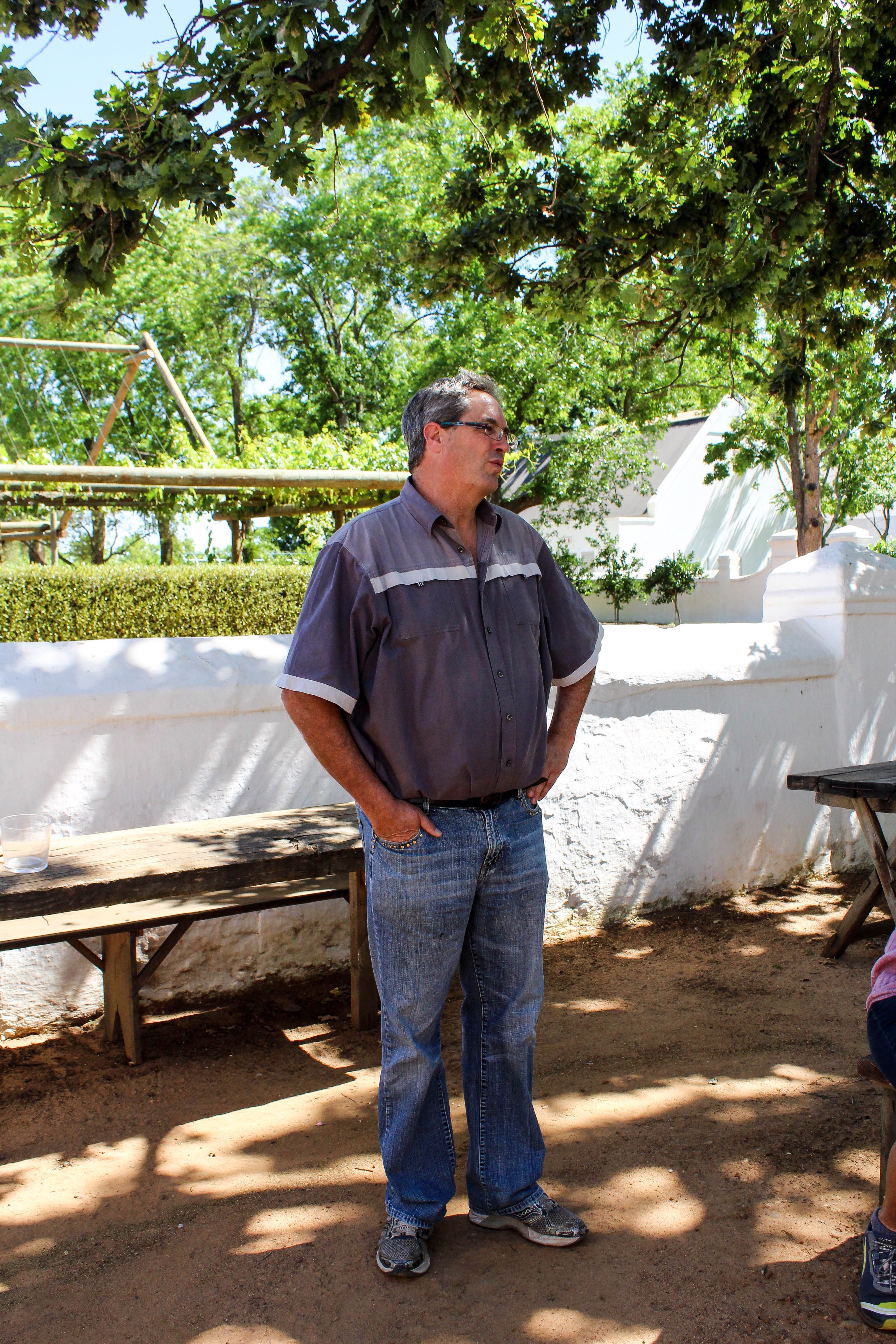
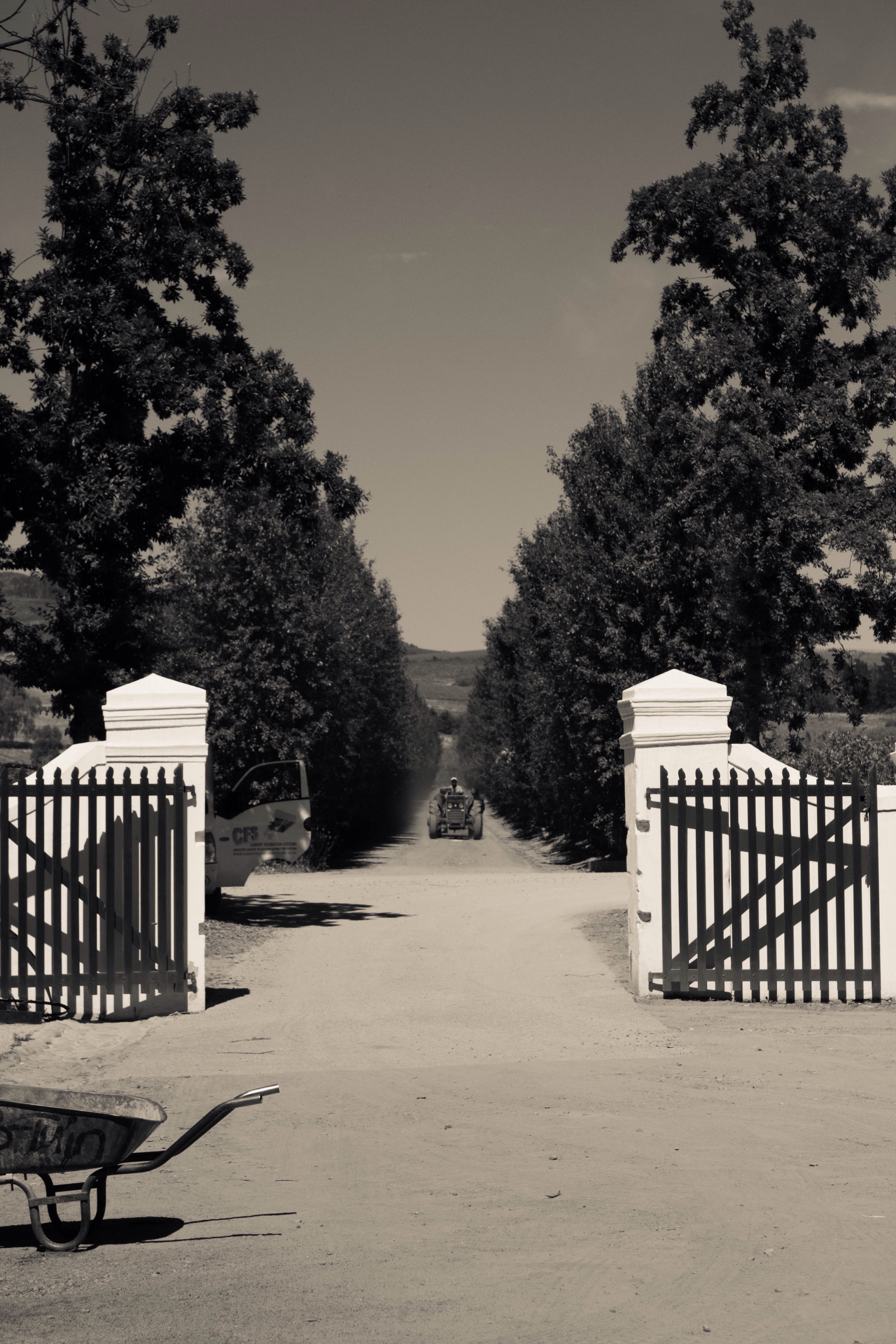
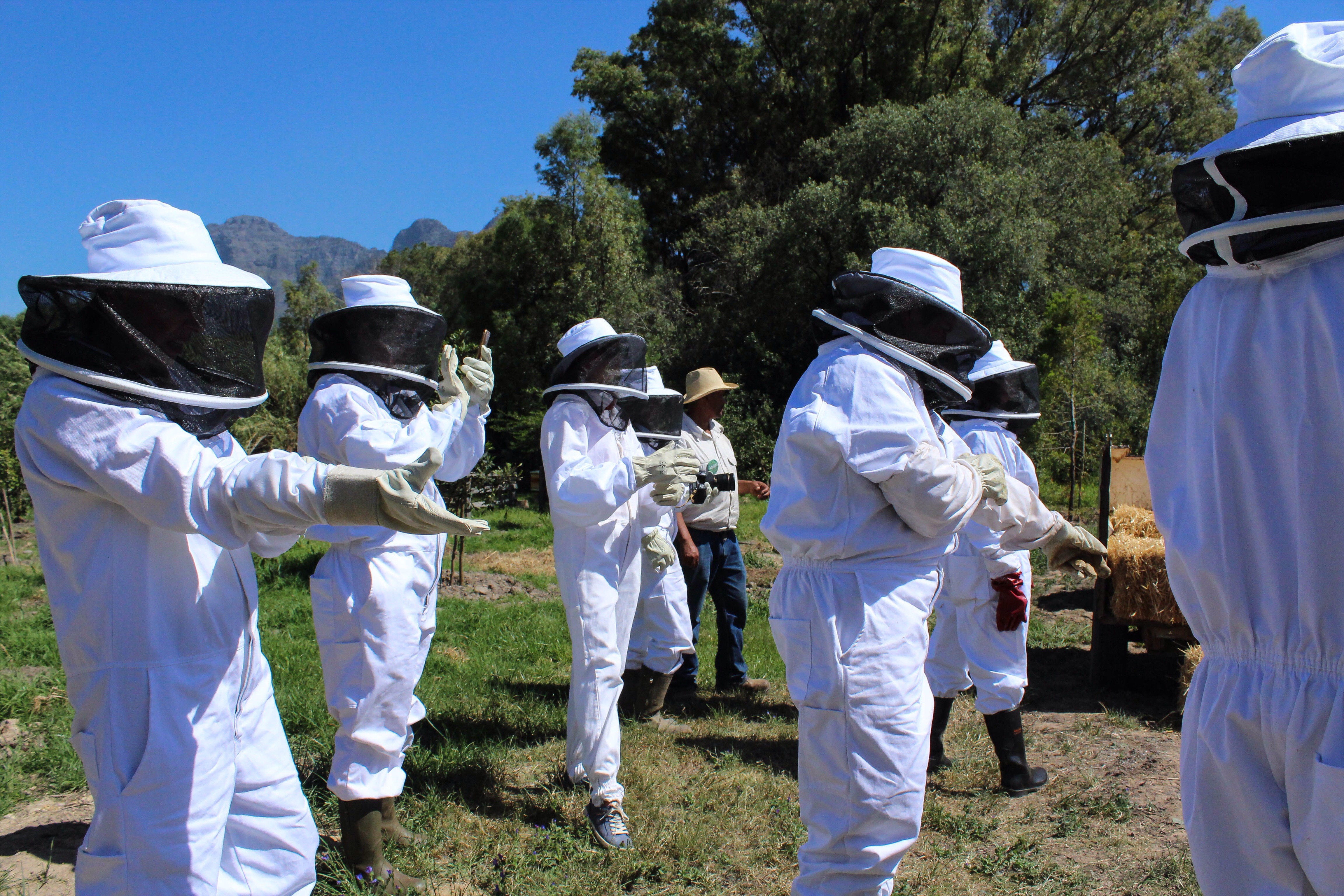
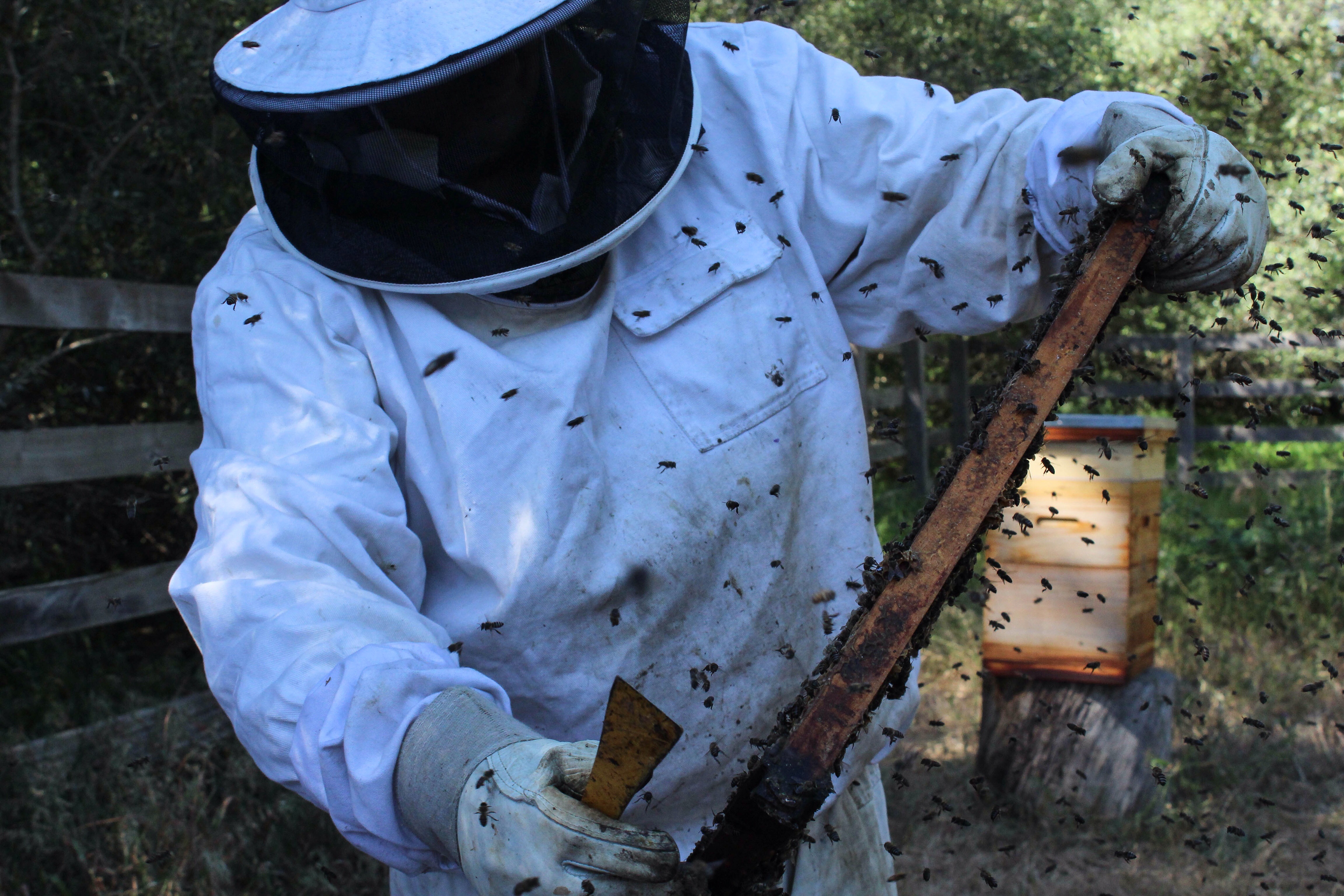
Did you know, the reason beekeepers overalls are white is that bees can’t see white? This is according to the renowned bee researcher at the Agricultural Research Council, Mike Allsopp. This is only but a few facts and wisdom that Mike generously imparted upon us. The Secret Life of Bees workshop was held at the picturesque farm, Babylonstoren in Simondium about 40 minutes outside of Cape Town. Apart from staying at their 5 star luxury farm hotel, Visitors can walk about in their lush and exotic gardens and thereafter have a rustic farm fresh lunch at the Greenhouse or if you’re looking for more of a trendier farm to table experience, Babel is the place to dine!
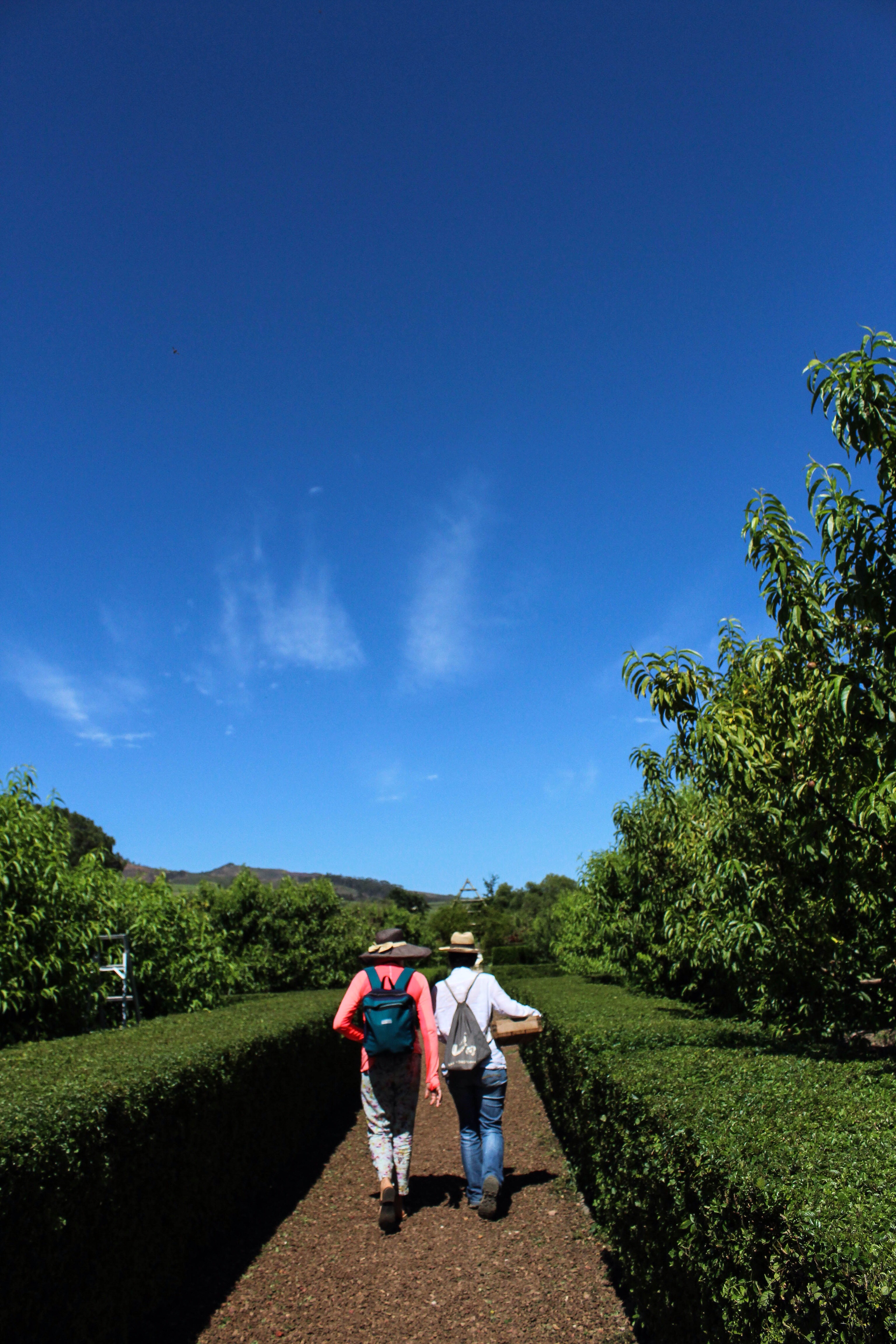
What was probably one of the hottest days of the year so far, the workshop started off with a walk through the gardens towards the farm loft where Q&A’s and a very insightful talk by Mike had us buzzing(excuse the pun)with insight and excitement. Here’s another fun fact, honey is a 50/50 mixture of glucose and fructose and only adult bees feed on honey. Under usual circumstances and normal temperatures, the workshop starts off with attendees going to the apiary first, but at 32 degree weather at 11:00 am it was advisable we visit the on-site apiary last.
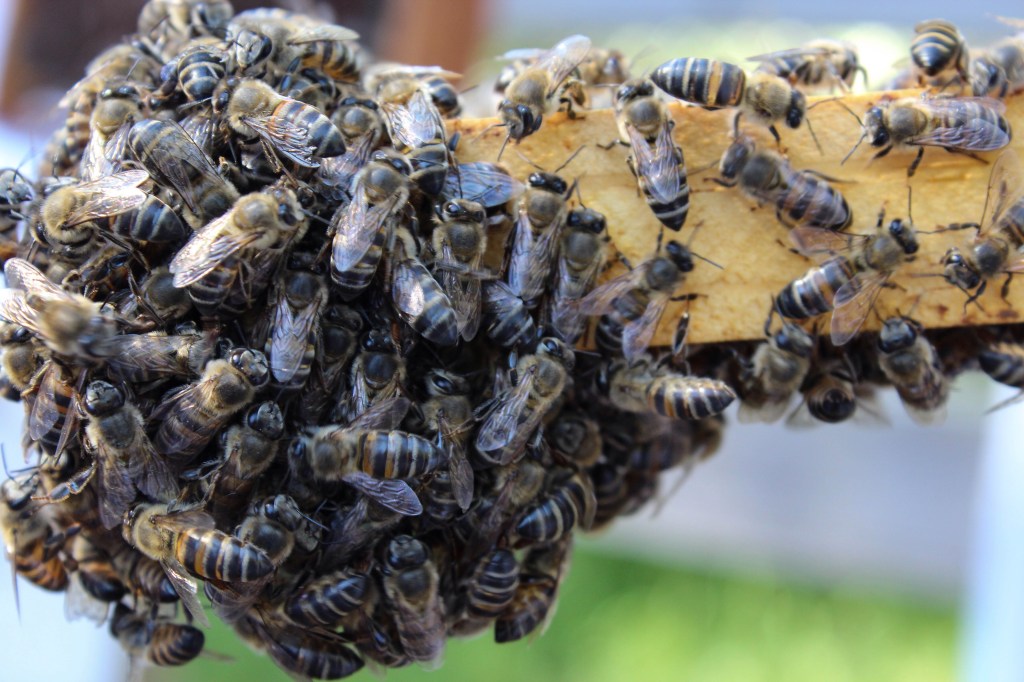
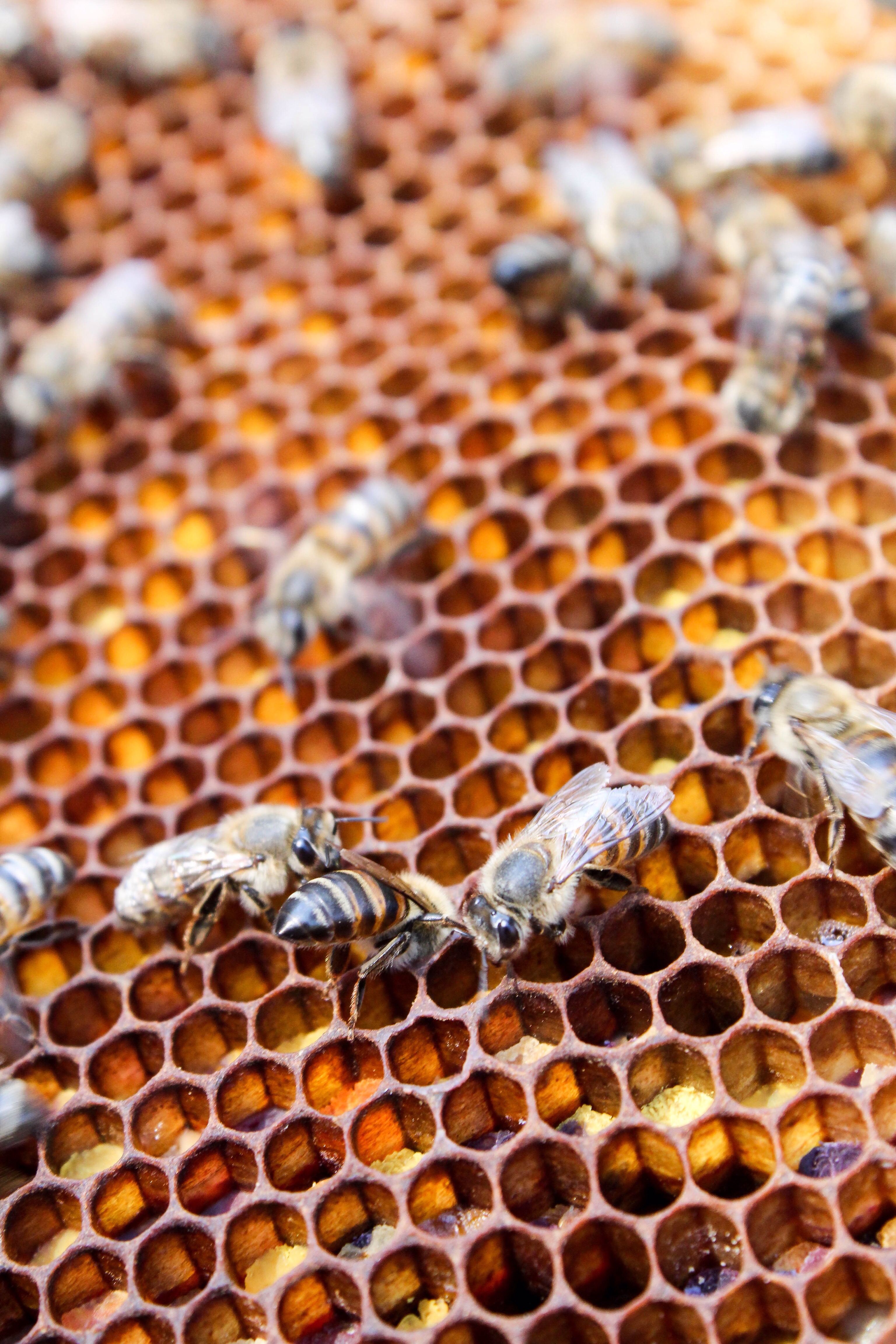
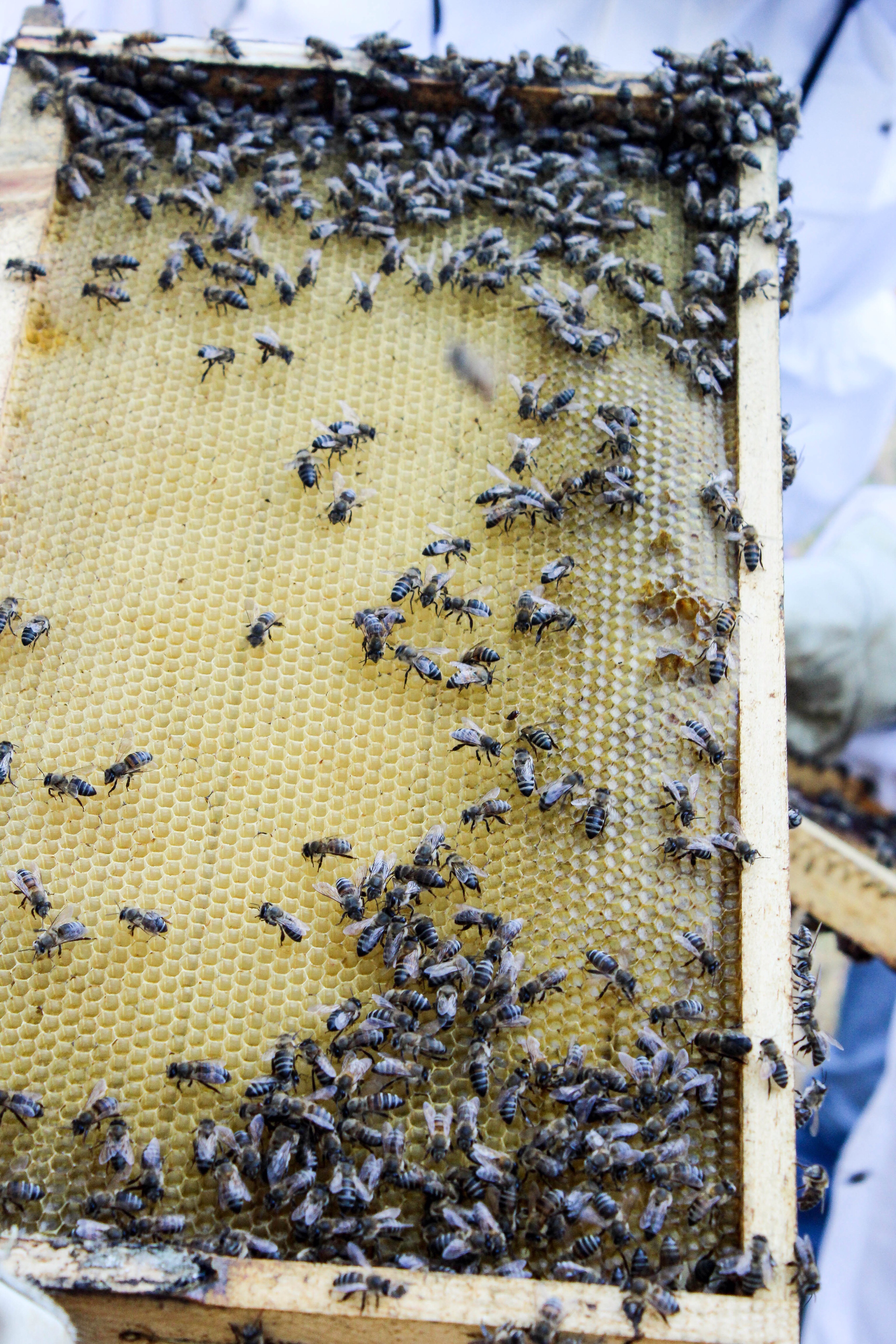
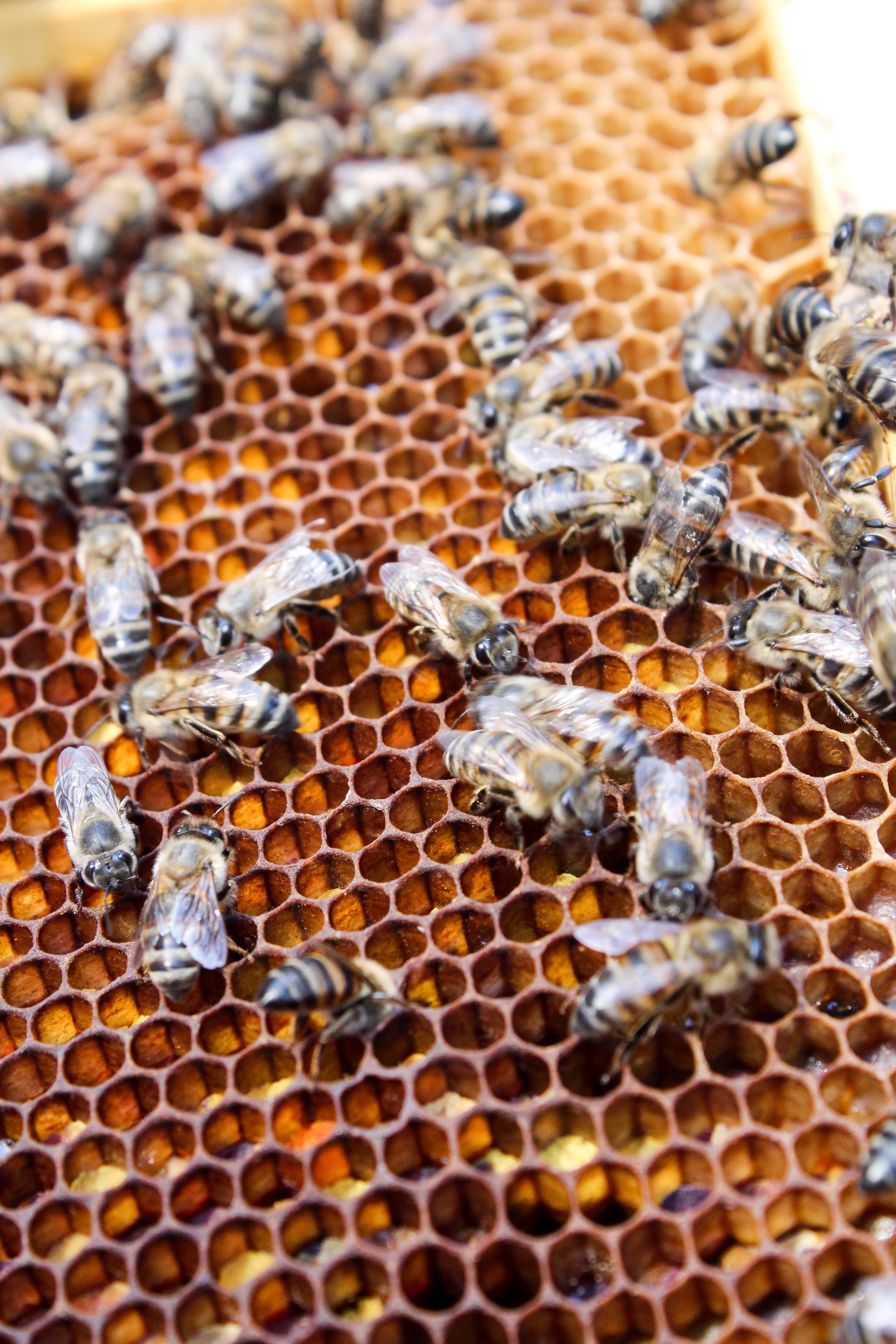
There are a few beekeeping methods, such as the Top bar beekeeping,the non-movable frame colonies and the extraction beekeeping methods.The most recommended is the extraction method which requires re-use of frames and the addition of honey chambers to increase production. There are many types of extraction methods too, and the most widely used is Langstroth type of hives. One will notice that on most of the hives we see today, it is fitted with aluminium tops, this is to ensure insulation of temperature and to keep the hive and bees cool. At 37 degrees Celsius, the hive is at a normal temperature, anything above this is far too hot for the bees. The worker bees are all female and have a life expectancy of 20-45 days, the worker bees are responsible for all hive activities. The queen bees are also female, and in every colony exists only one queen. The queen bee starts mating at a precocious age of only 3-4 days old. How is a queen bee formed? Baby larvae is fed Royal jelly, which then develops into a queen bee. The incubation period for a queen bee is approximately 14 days, a normal worker bee, 18-21 days, and a drone cell 24 days. The mere purpose of a drone is to mate with a queen and thereafter immediately dies.
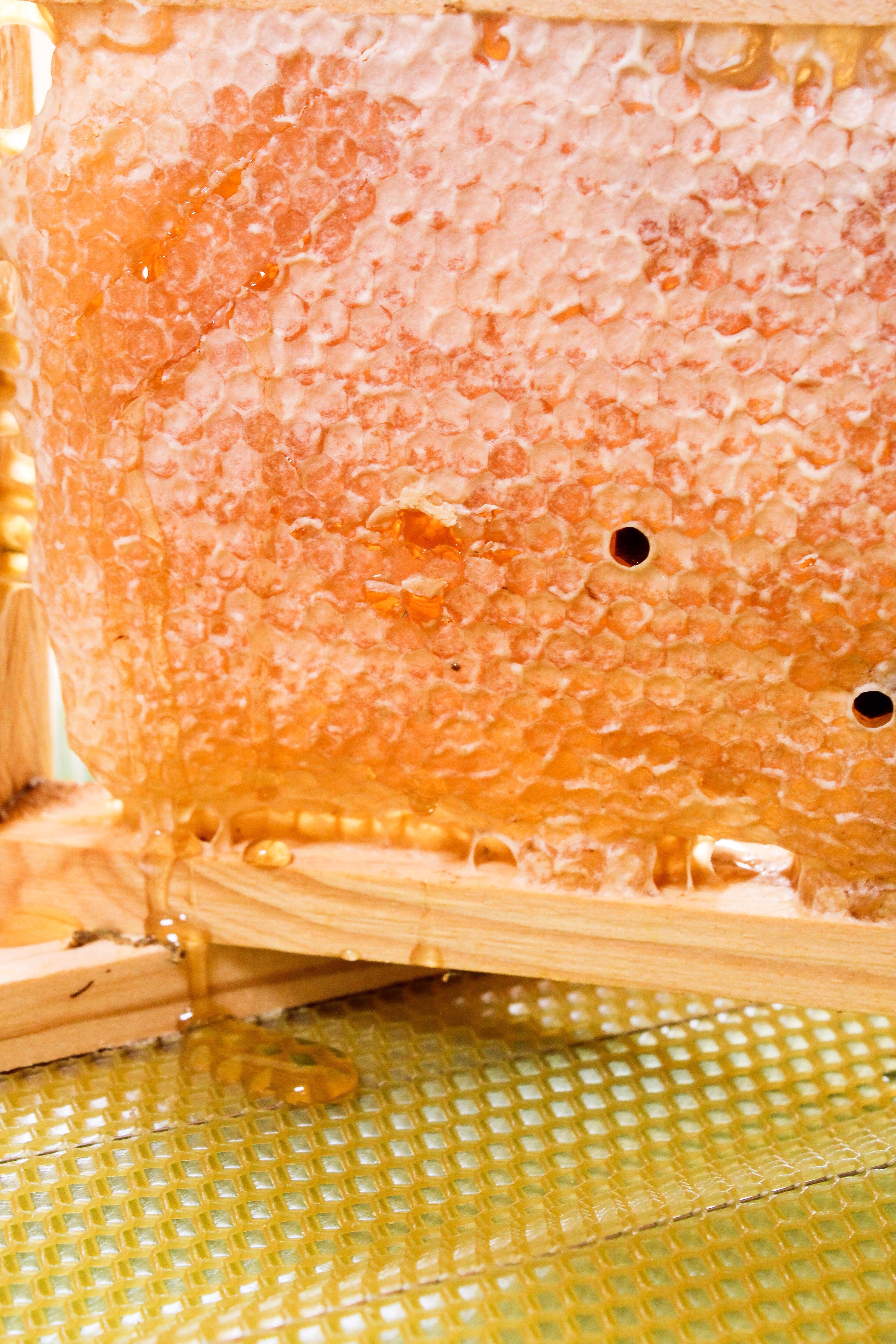
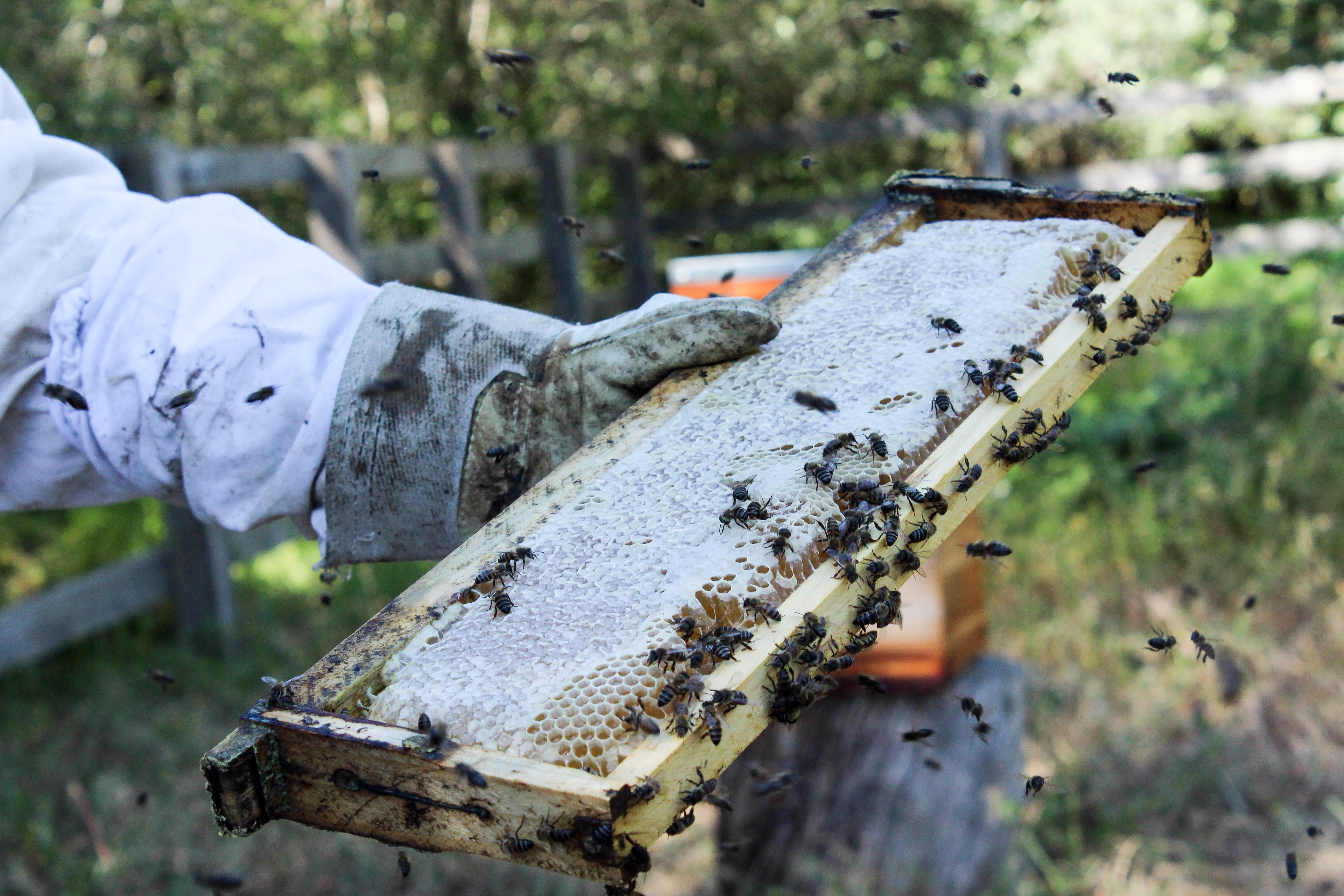
Honey is ripened nectar for the adult bees as said above, wax is synthesized by the bees and for every 8g of honey there is 1g of wax. Propolis, termed by Mike as ‘Bee Glue’ originates from plant resin and bees use it to stick to everything, close gaps and has antibiotic properties for the bees. However, there seems to be a common misconception according to Mike, that there is a trend specifically in health stores that it has tremendous health benefits to humans, this he says is false.
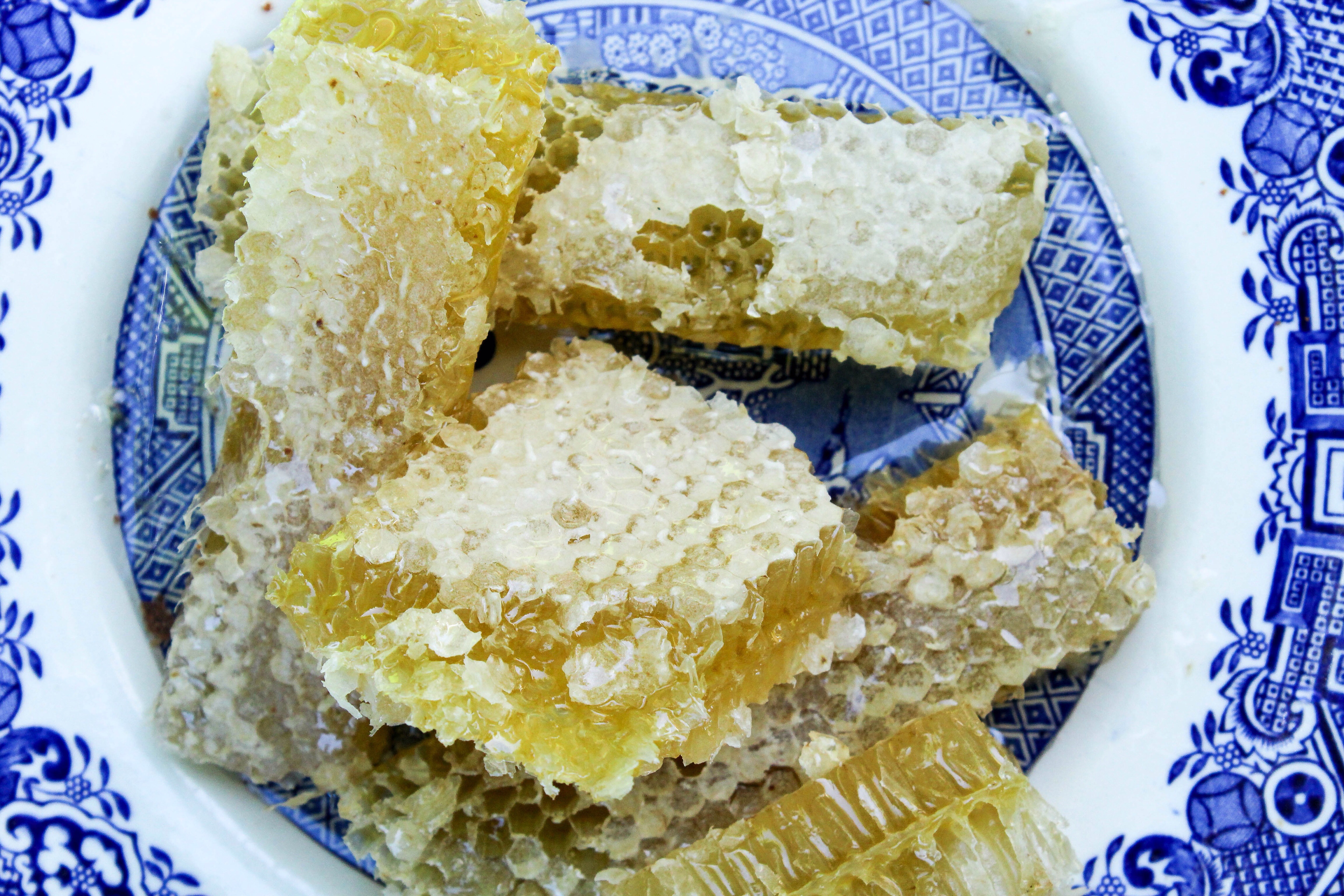
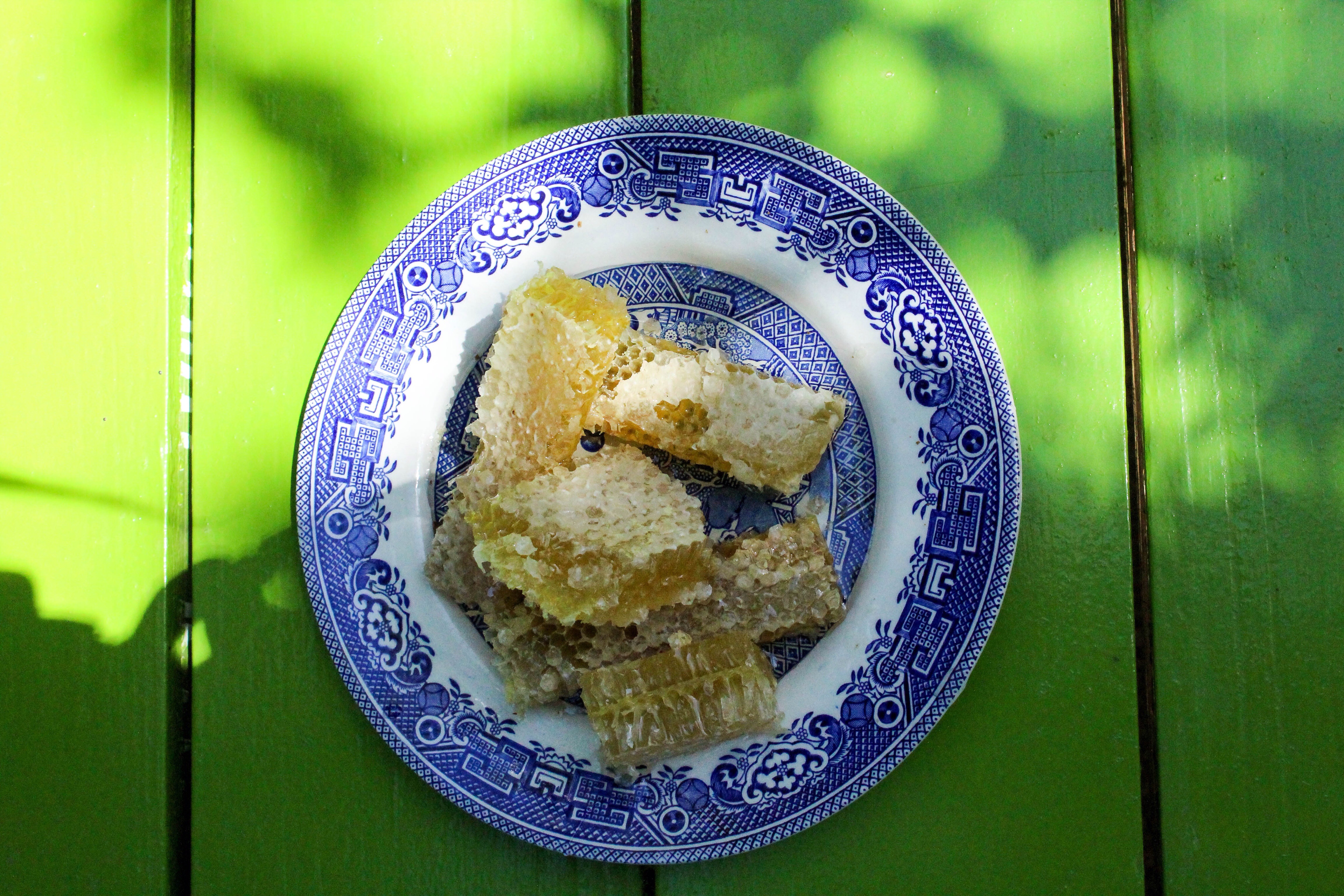
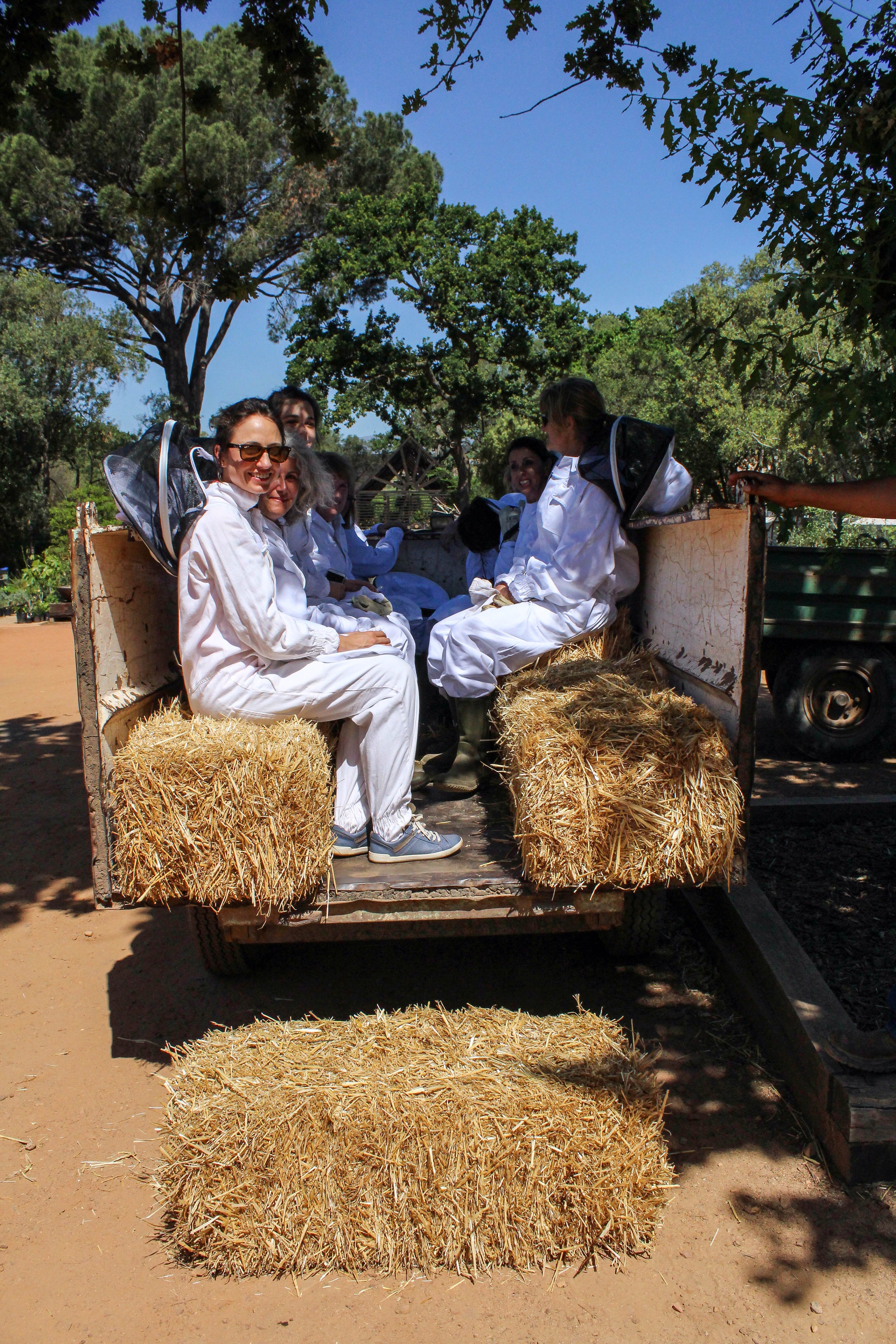
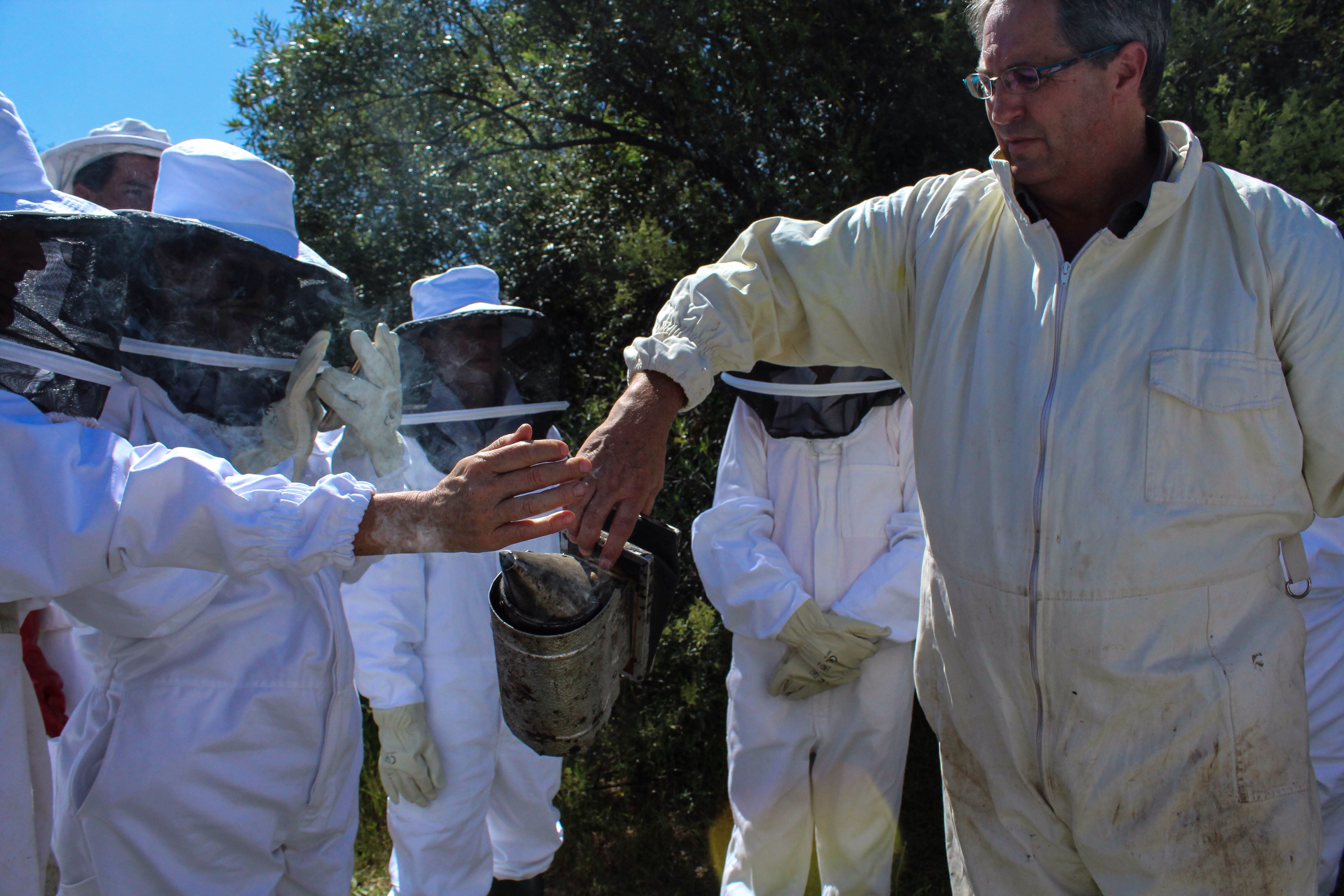
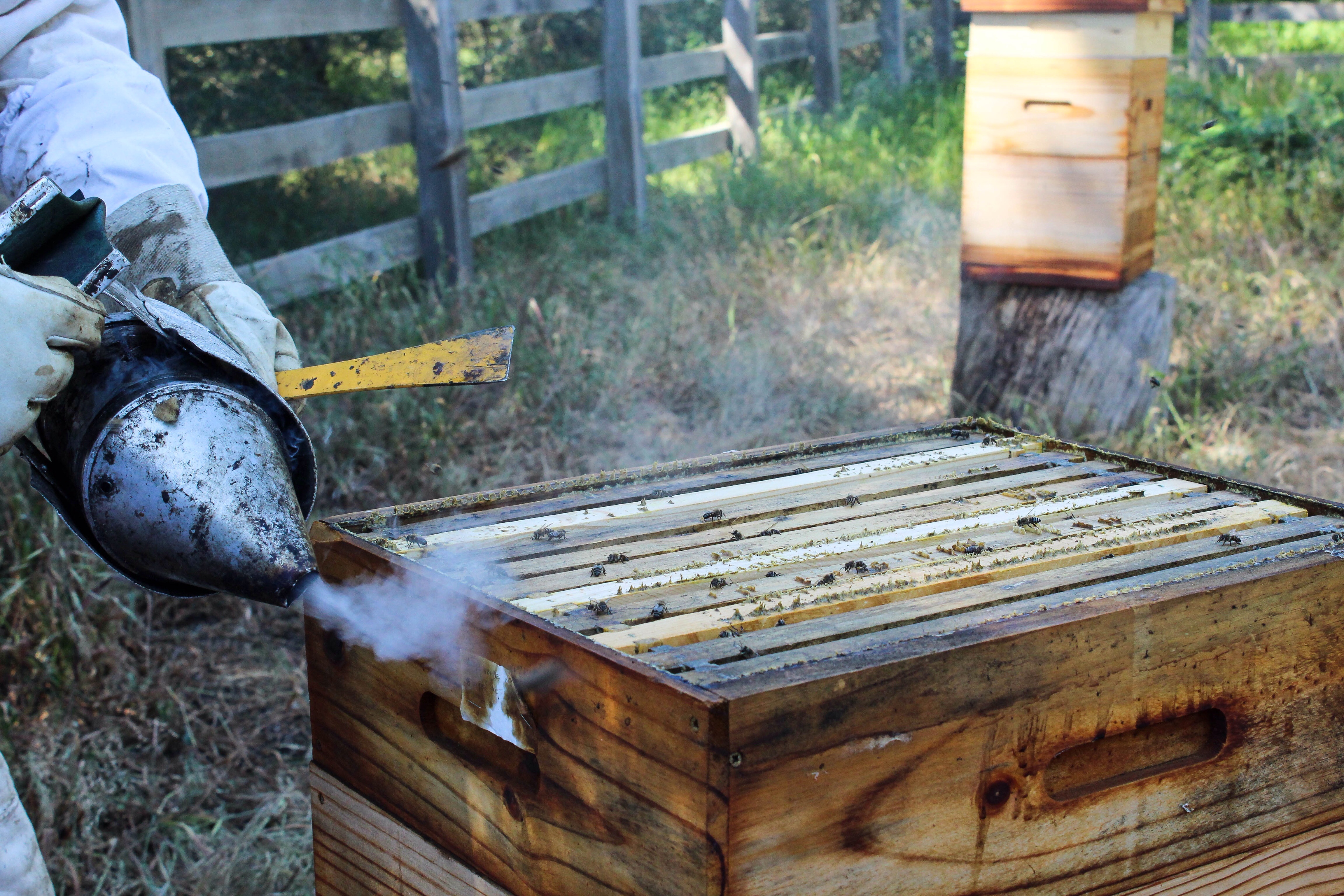
After picking Mike’s brain about all things bees, we headed out to the Greenhouse for an aesthetically appealing lunch, the curried beef, lentil and waterblommetjie pie served was delicious and filing but a tad heavy for that day’s unforgiving heat, but the refreshments on hand, such as their homemade lemonade and iced tea was beyond heavenly, bursting with so much flavour.Using only what is on the farm, the cordials used in the iced tea and lemonade can be purchased at the Farm shop, something I wished I had done before I left to go home! On the table was a platter of freshly gathered seasonal vegetables of which a light and crisp salad was served on the side and as an extra special touch a plate of actual honeycomb with freshly baked bread on the side. I think this was the very first time I ate honeycomb, and what a treat it was! Going back to the loft we all had to be kitted out in beekeeping suits, all suits had to be baggy enough, so the bees couldn’t easily sting us through the suit if it were too tight. Ankles had to be covered up as well, so I brought along my rain boots as recommended by Liesl and Mike. Kitted out and on the back of a truck with hay bales we sat on and admired the scenery as we were chauffeured to the apiary which was about 2km’s from the farm on the same property. Once there, Mike lit the handheld smoker and gave us a run down of do’s and don’ts when lighting the smoker. Tip number 1: Always ensure the smoke that the smoker emits is cool enough, demonstrated by blowing the smoke on your wrist or hand, if it is cool enough for you, then it is safe enough for the bees. Like all things to do with fire, never leave the smoker unattended, this has been done in the past and has been reported to have burned down property, vegetation and even harm/kill the bees.
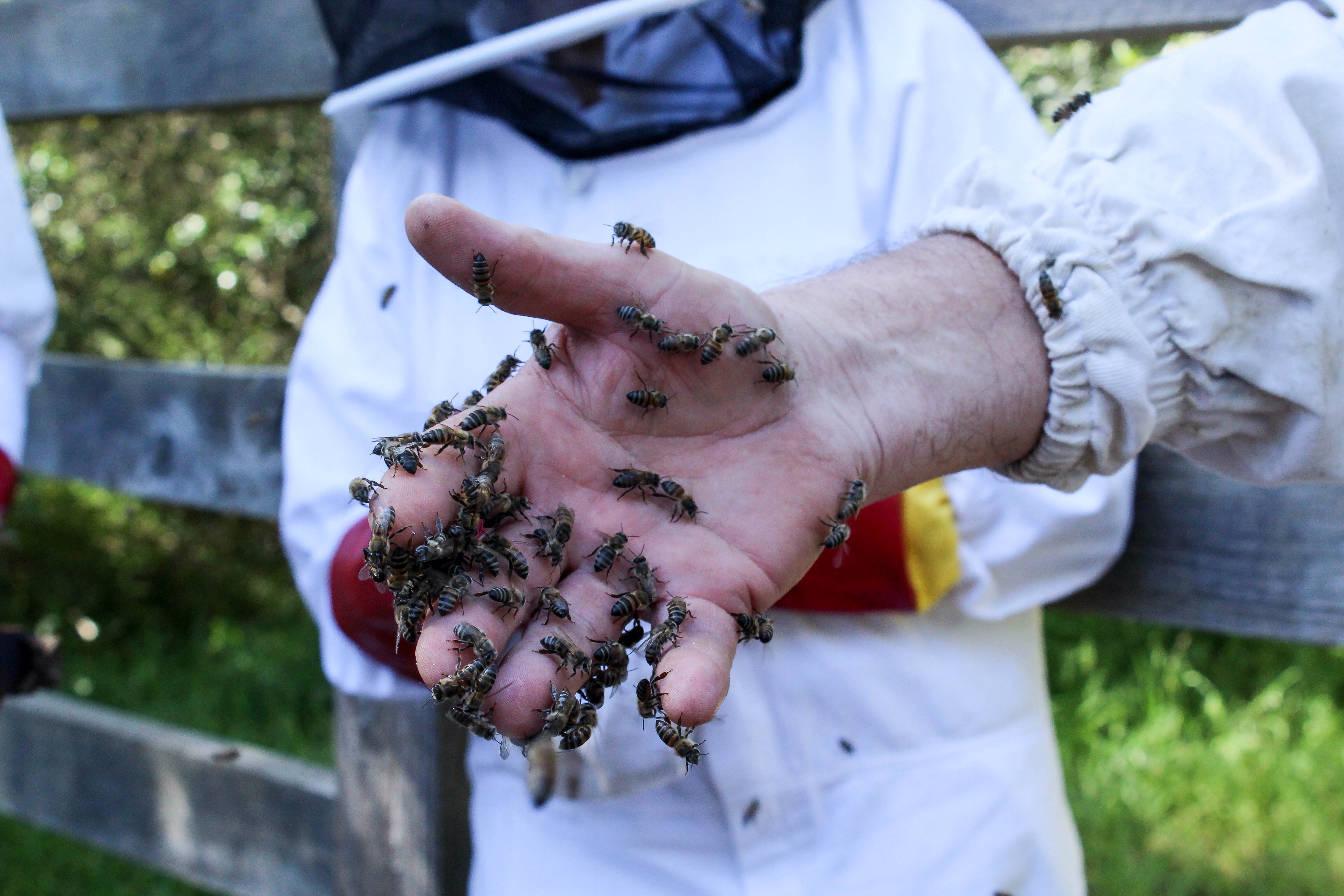
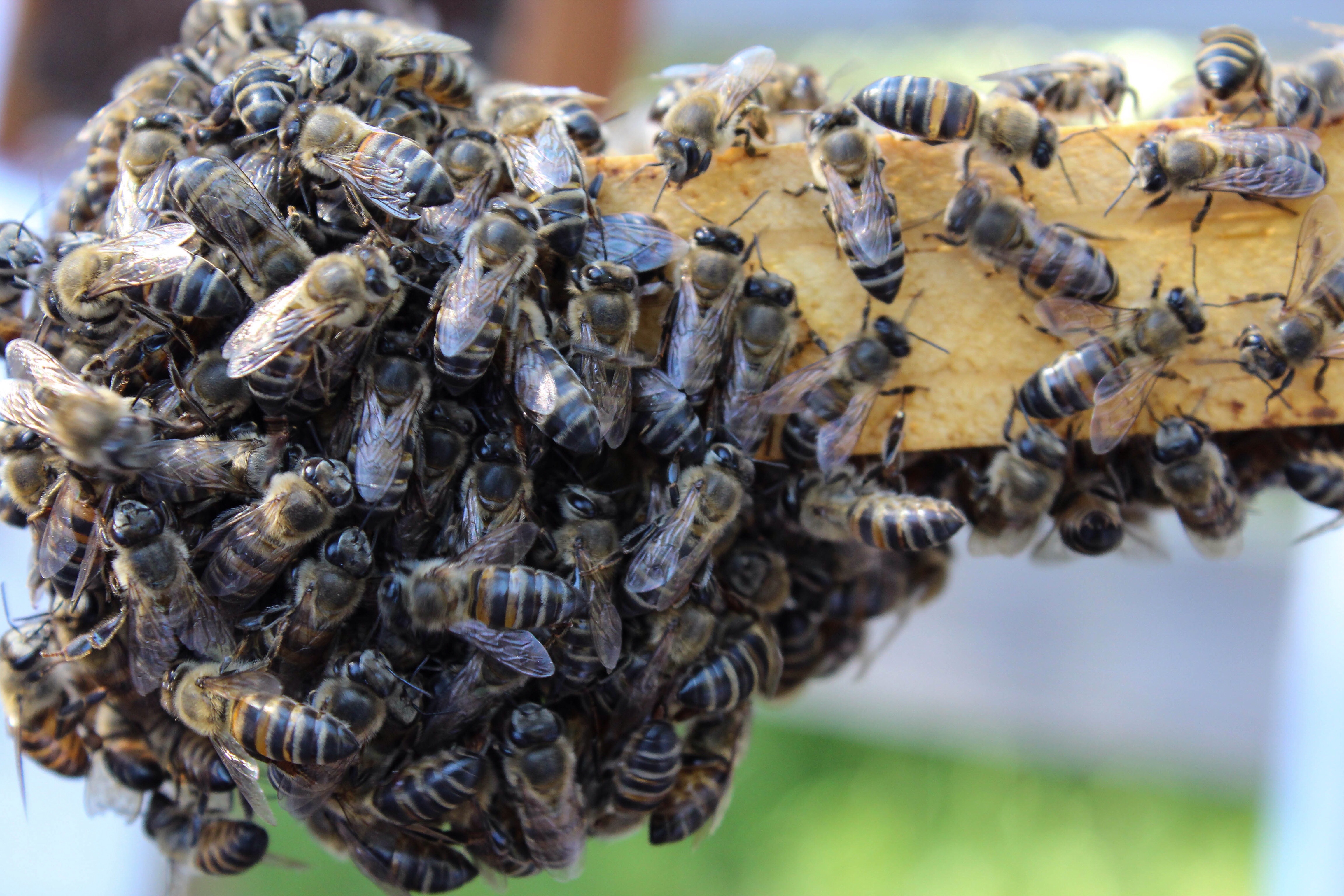
Mike’s hand full of calm and slightly sedated bees. Not to be attempted at home.
Heading into the apiary is quite an experience for the avid bee lover or for someone who wants to get over their fear of bees. The first hive that was opened was rather nervous, but after a few puffs of calming smoke, all was well and the bees seemed a lot more hospitable from the second and third hive. A few of things we spotted was a queen right at the bottom of a hive in a corner, where she would usually be, a worker bee being born, and a few bees feeding. The late afternoon heat was unforgiving and many of us were spent by the time we went to the apiary, but for most of us it will be an experience we will never forget!
Blue skies with a chance of bees!
The workshops take place annually, hosting only two in October, as this is the most convenient time, so as to not disturb the bees or their habitat. I would strongly recommend this insightful workshop to any avid or potential beekeepers, anyone who, like me is passionate about food or anyone looking for more information about bees with a sensory experience and meeting like minded individuals as an added bonus.
A sensory and educational experience it certainly was, I have gained so much insight into bees, their lifestyles, threats against them and their habitats. I definitely have more of an appreciation for bees now more than ever.
I look forward to sharing my next adventure with you!
Dominique x
**This post was not sponsored, all costs for the workshop I have paid for**
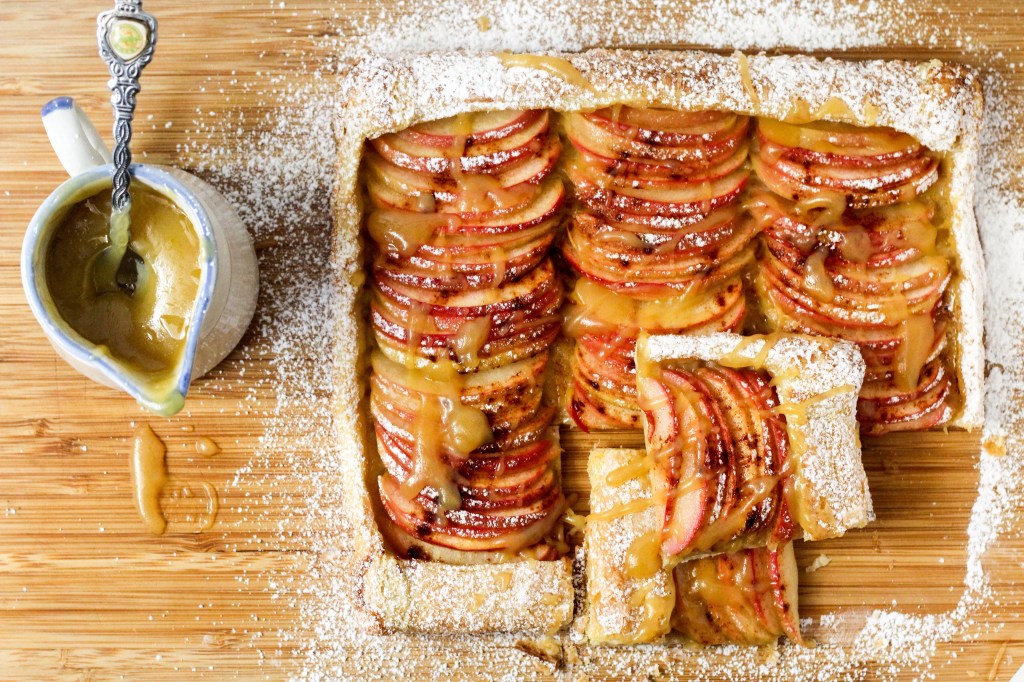
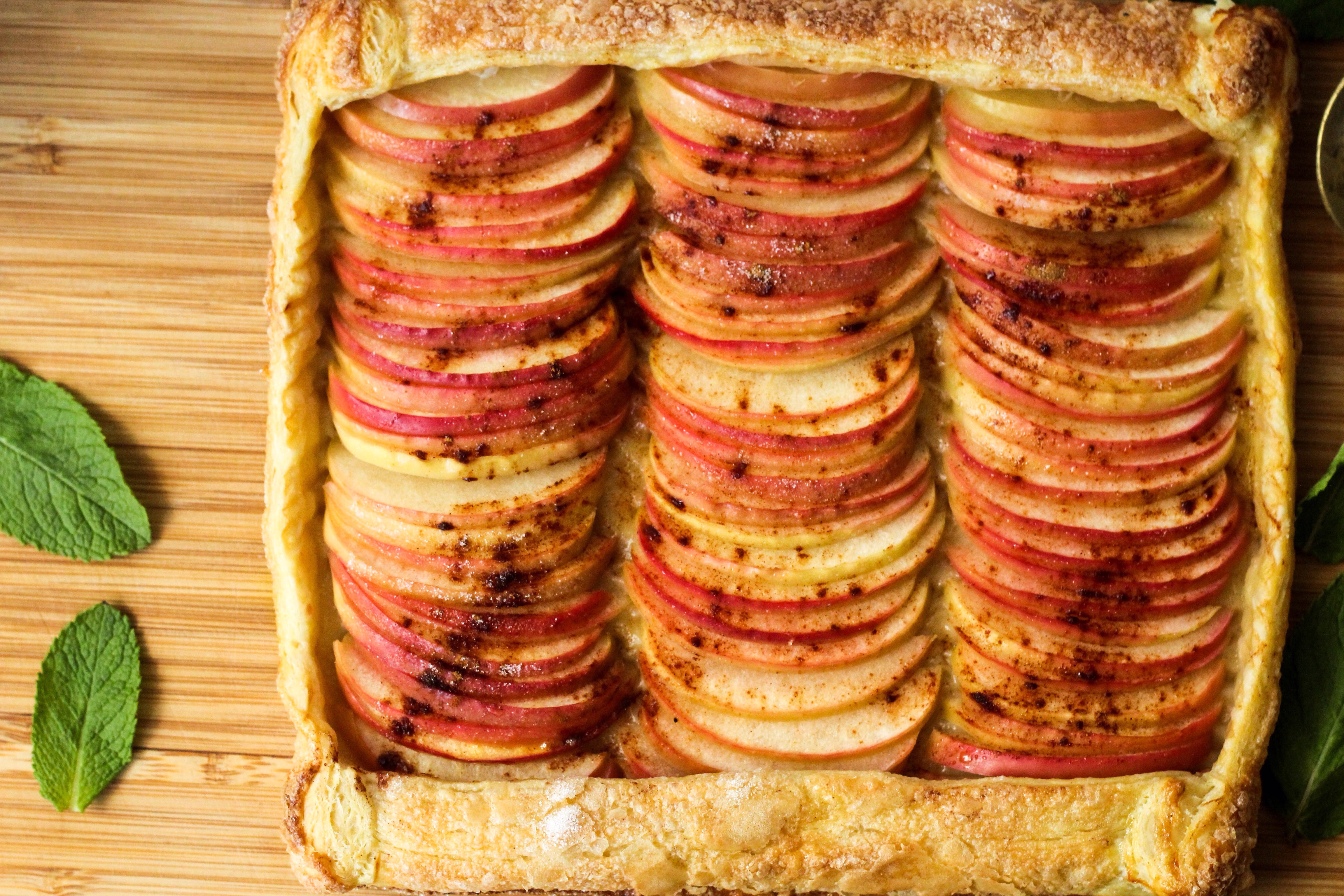
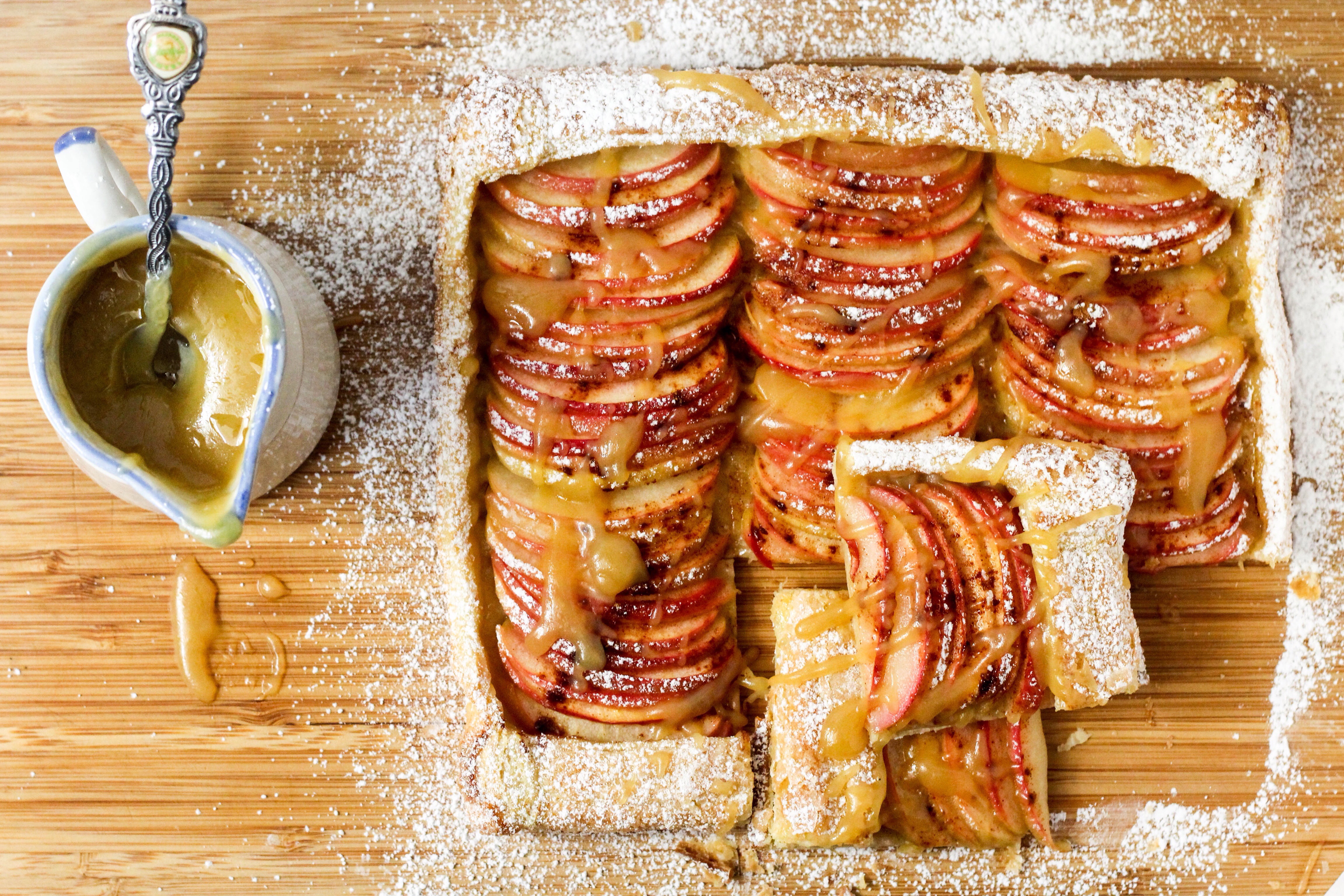
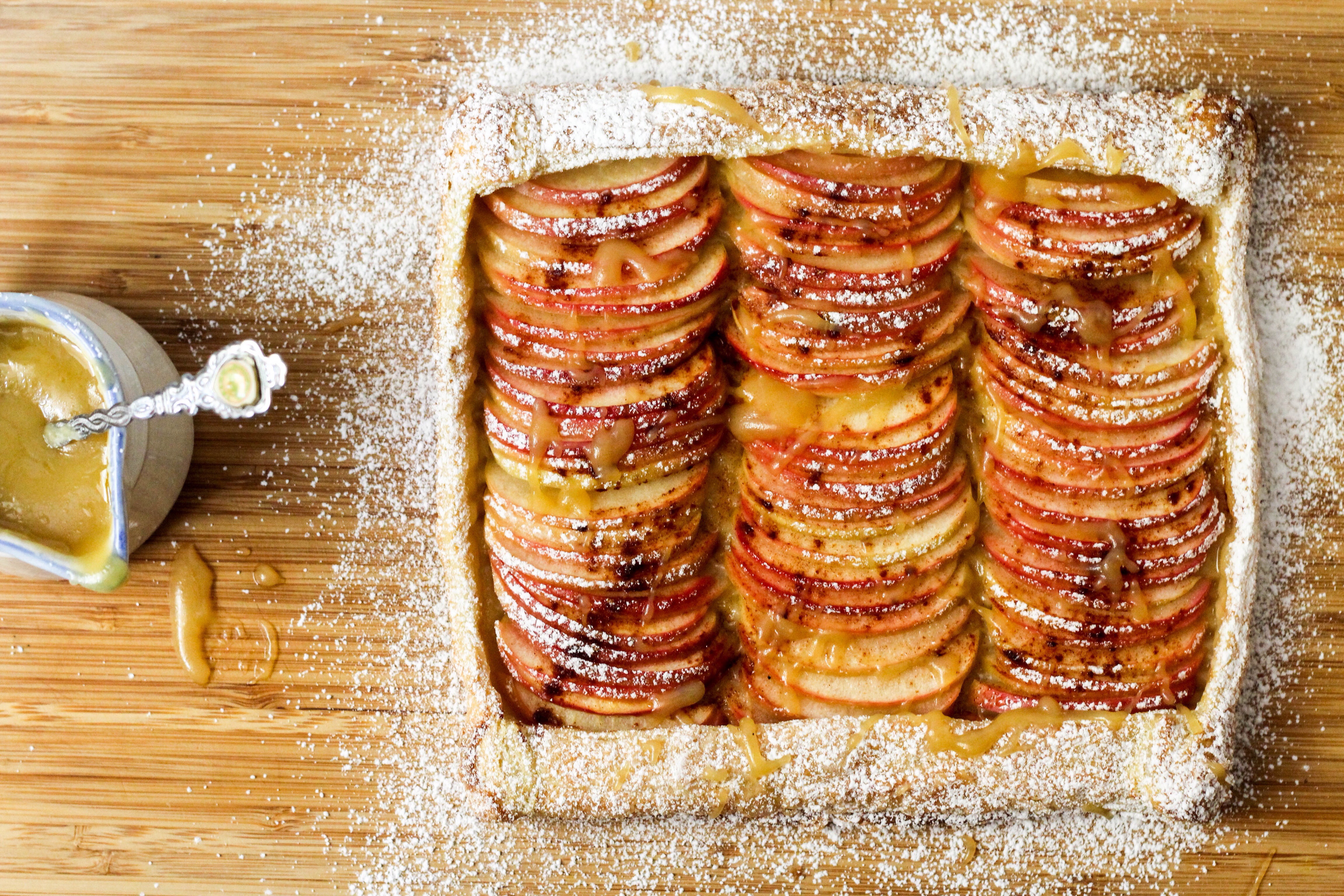
Apple tart, freshly baked bread, and a fresh brew of coffee are up there with my favourite wafting scents from the kitchen! It’s been a crazy few weeks, and as you know, one of the ways I regroup and relax is by baking. I adapted this recipe from Woolworths Taste Magazine and used Pink Lady apples instead of strawberries. I love the contrast of tart and sweet from the Pink lady apples married with a rich drizzle of butterscotch sauce.
This was the very first time I made a batch of Butterscotch sauce, it came out velvety smooth and gorgeously golden, yes, it’s better than store bought! There are so many things to do with Butterscotch sauce, drizzle over ice cream, French toast, pancakes, cakes, or gift it to a friend or family member, pour in a glass jar with a little handwritten note. The tart had a glorious crisp bottom (no soggy bottoms here) I used my silpat to bake it on, which really helps to achieve a crisp bottom with the right oven setting and temperature, you can’t go wrong.
At the moment I’m doing lots of research and reading up of recipes for the festive season. I love this time of year, the type of food, the weather and of course, just the festivity of it all. I’m super excited to be celebrating Christmas this year, not only on the blog, but sharing and creating special memories with my family and friends of course, as that is what it’s all about any way.
Shooting a tart is always a bit tricky, I was told by someone that I look up to very much that when shooting the pastry treat, always create height and volume, by failing to do so makes the shot appear flat and lifeless. I took his advice as best I could and tried to create something that hopefully makes you want to lick your screen 🙂
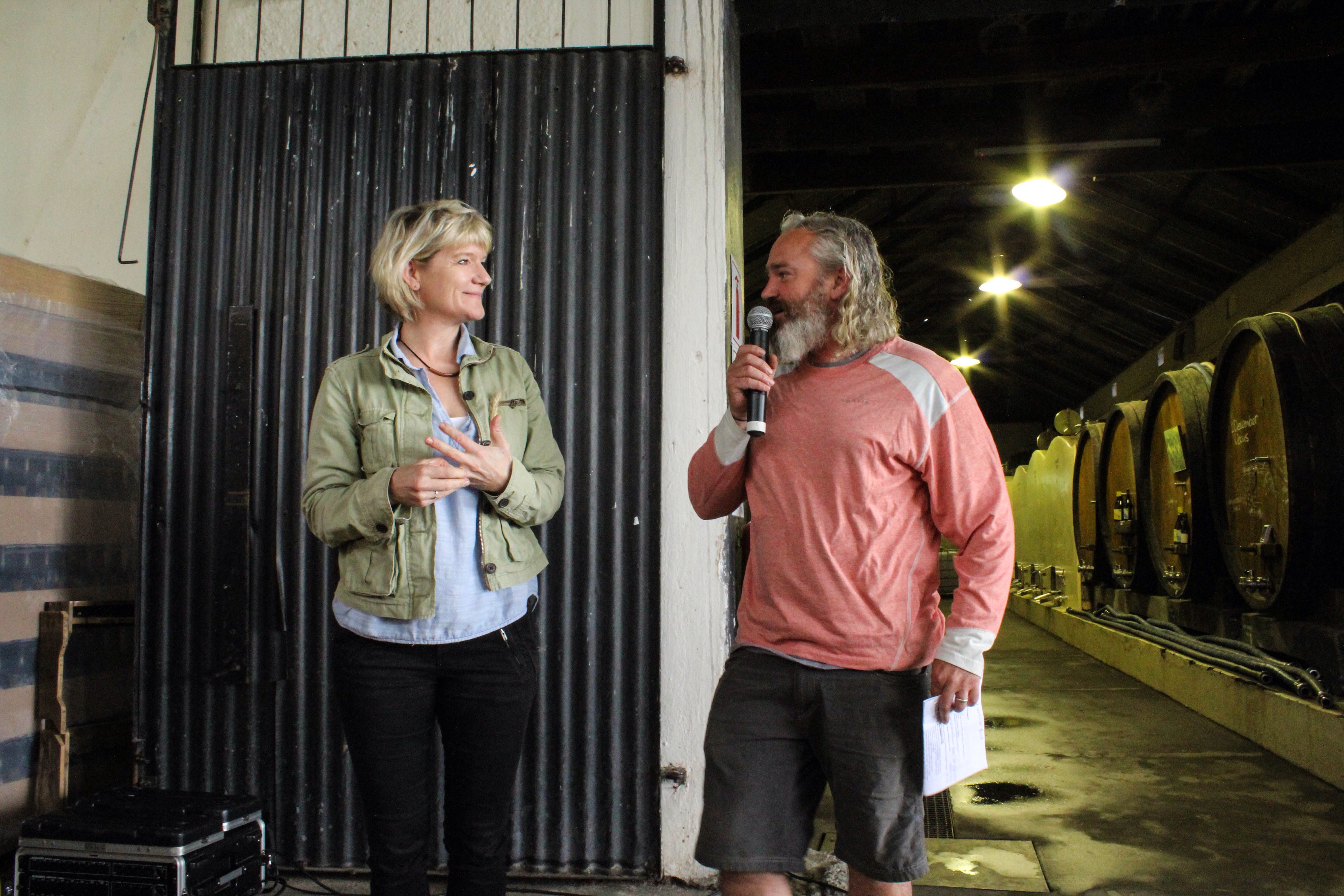
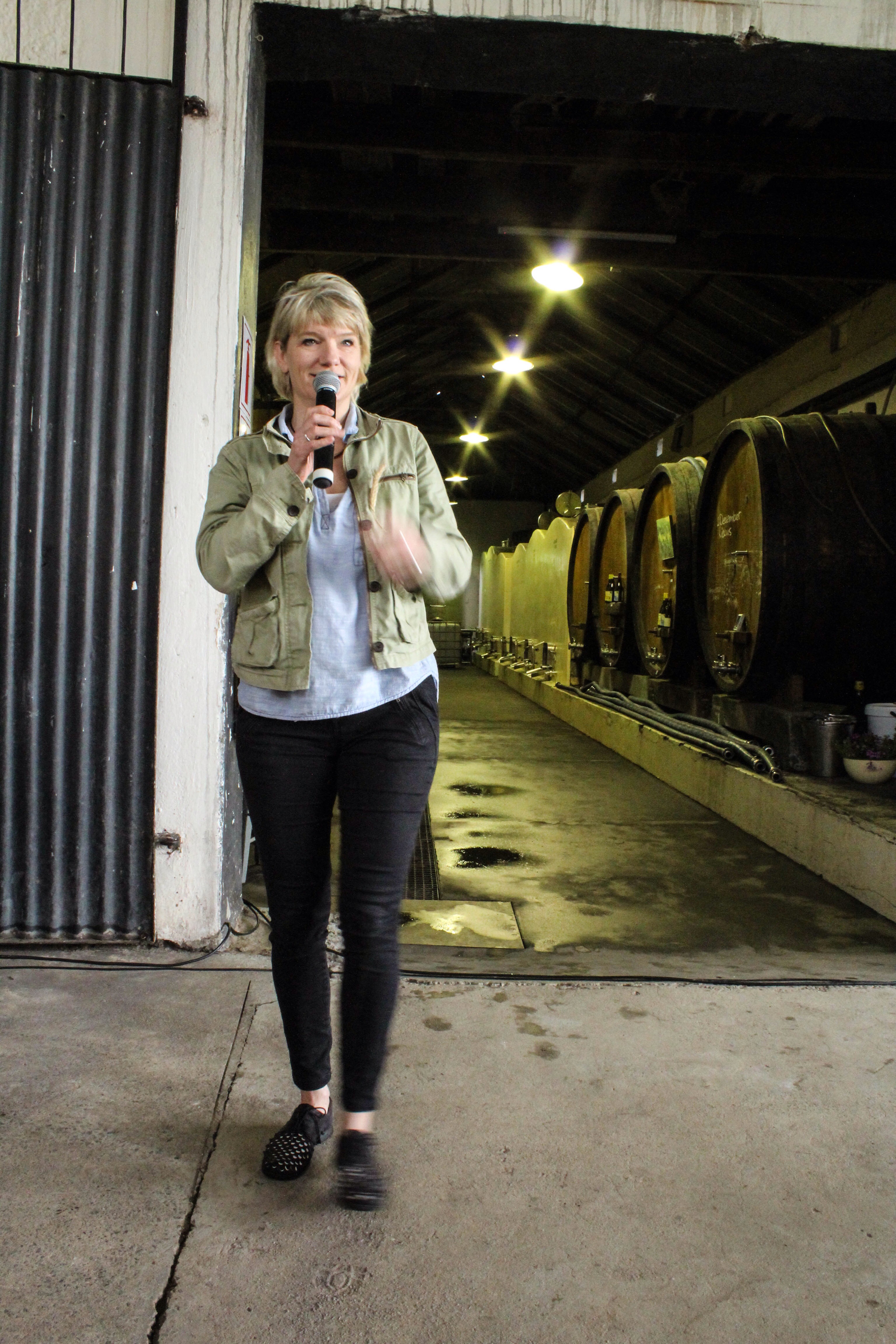
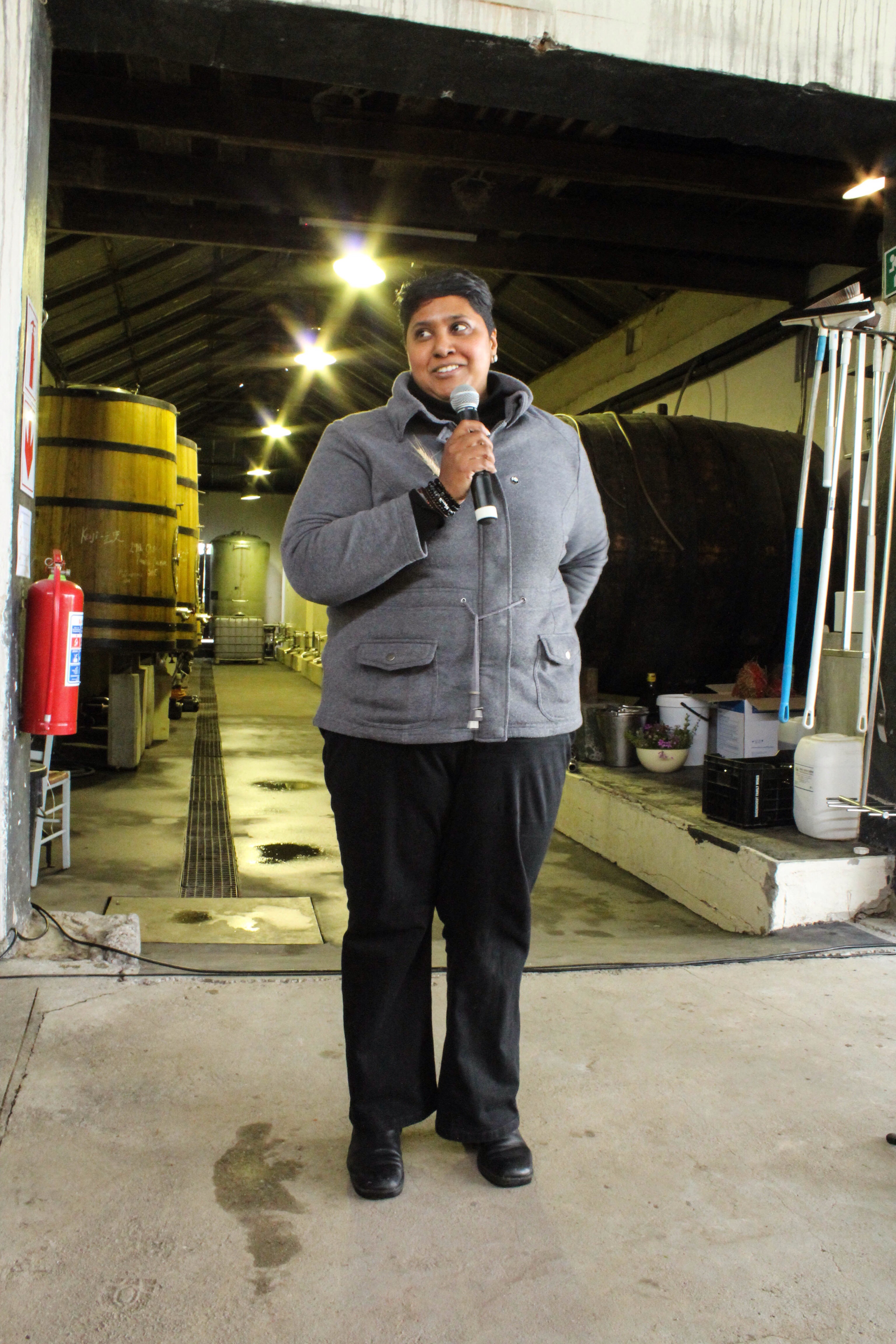
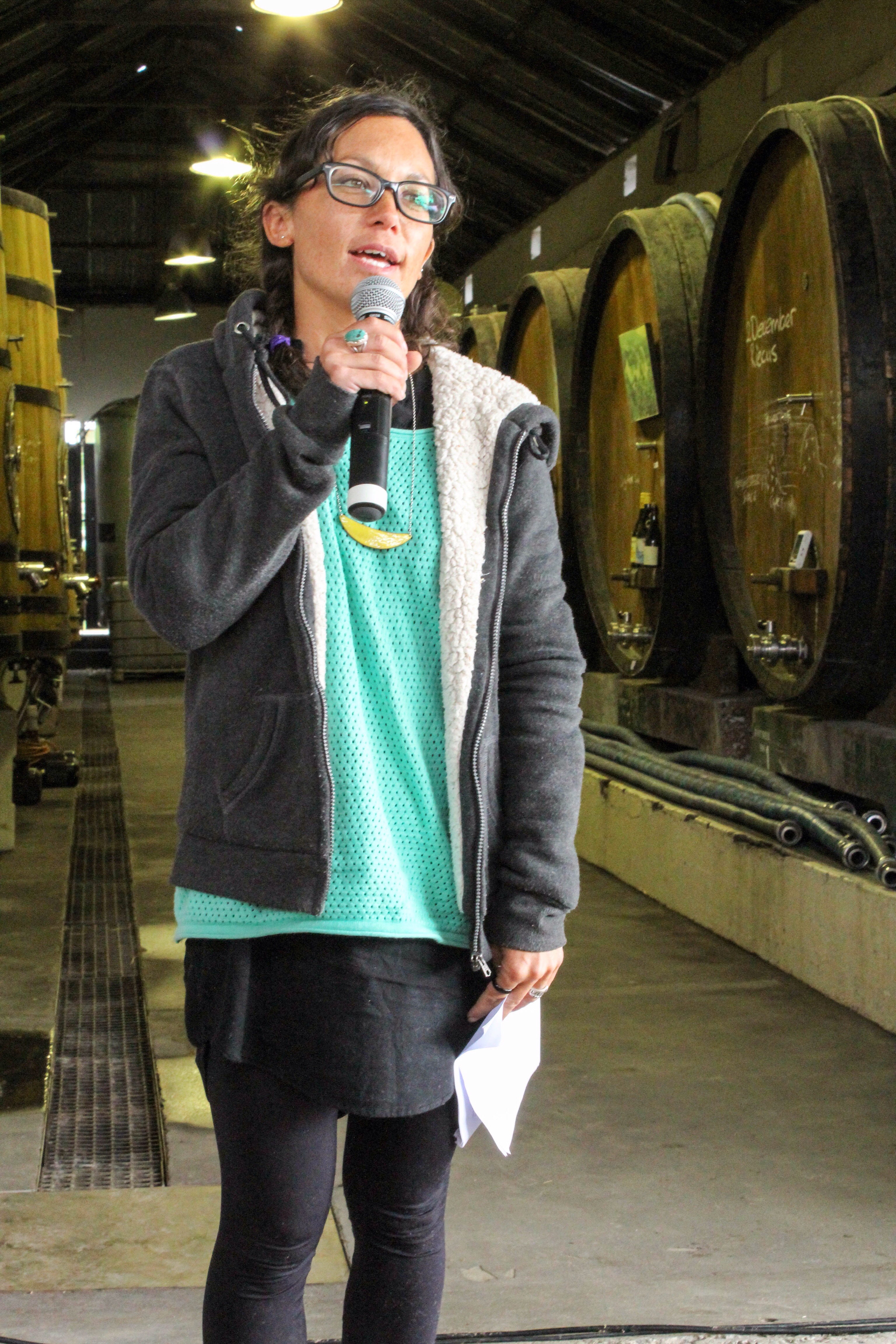
I was one of a few very fortunate chosen attendees who got to experience Convivium table this year. Convivium took place over the 22 and 23rd of October. Day 1 was by invite only, through an application process, one would submit a motivation as to why they should attend day 1. I was beyond chuffed when notified I had been chosen to attend along with a select few. The event was hosted by Frankie Fenner’s Andy Fenner and The Shortmarket Club’s Wesley Randles. The aim of the event is to bring together local food producers and young and aspiring chefs, or anyone looking to be educated and inspired by where our food comes from, and of course to get us all connecting with one another and learning about our food culture.
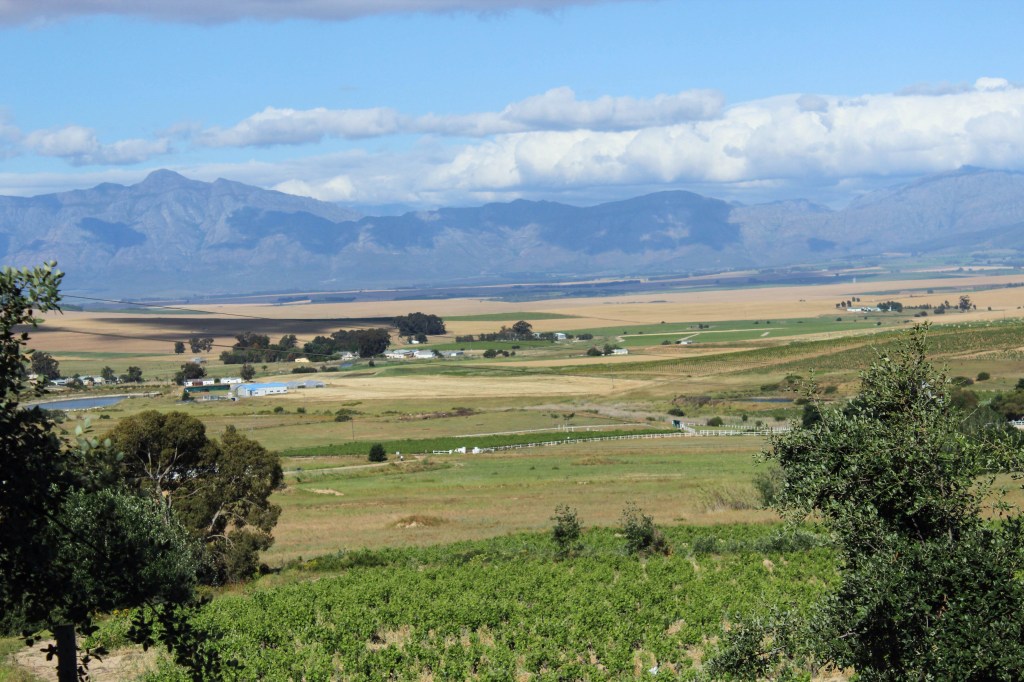
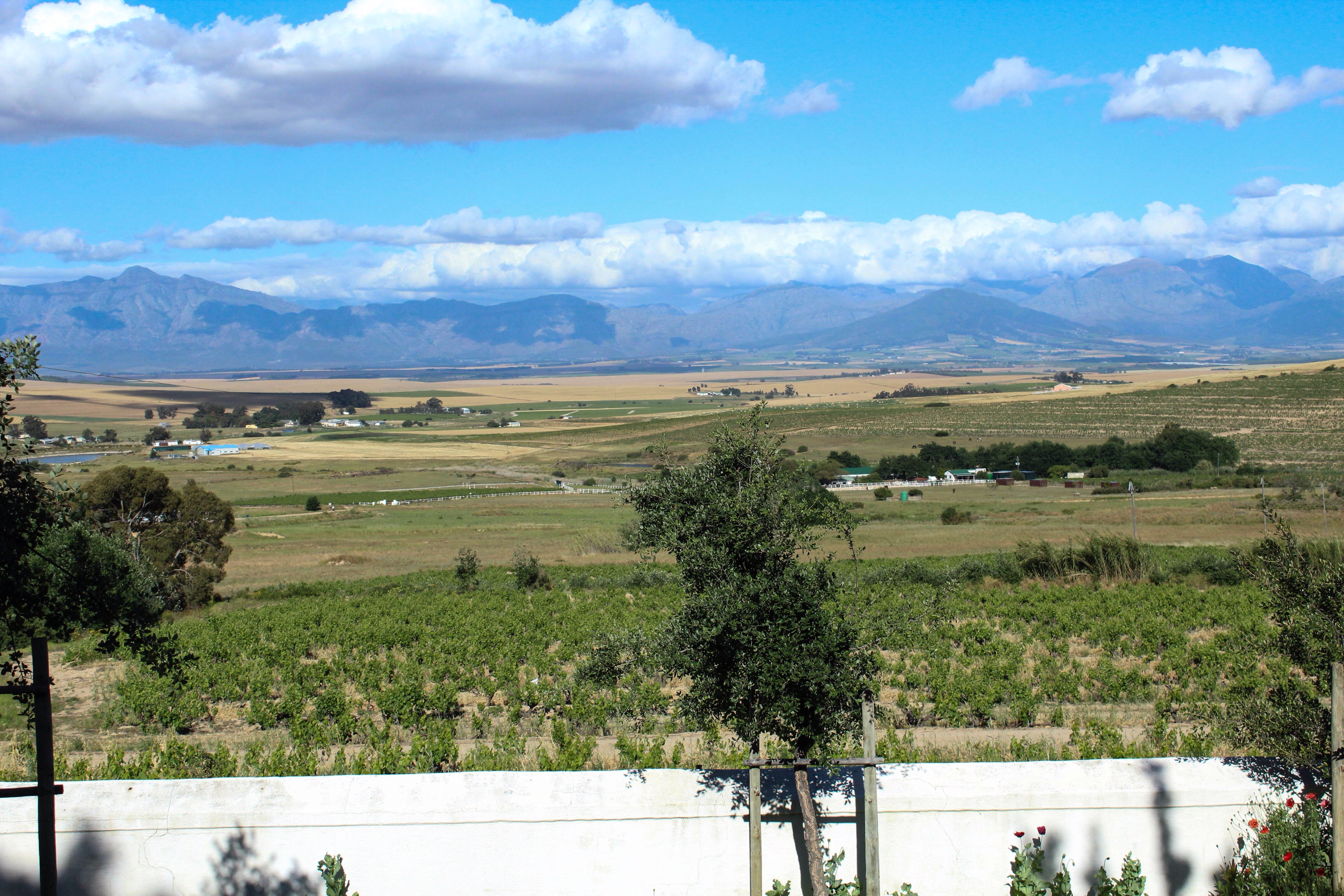
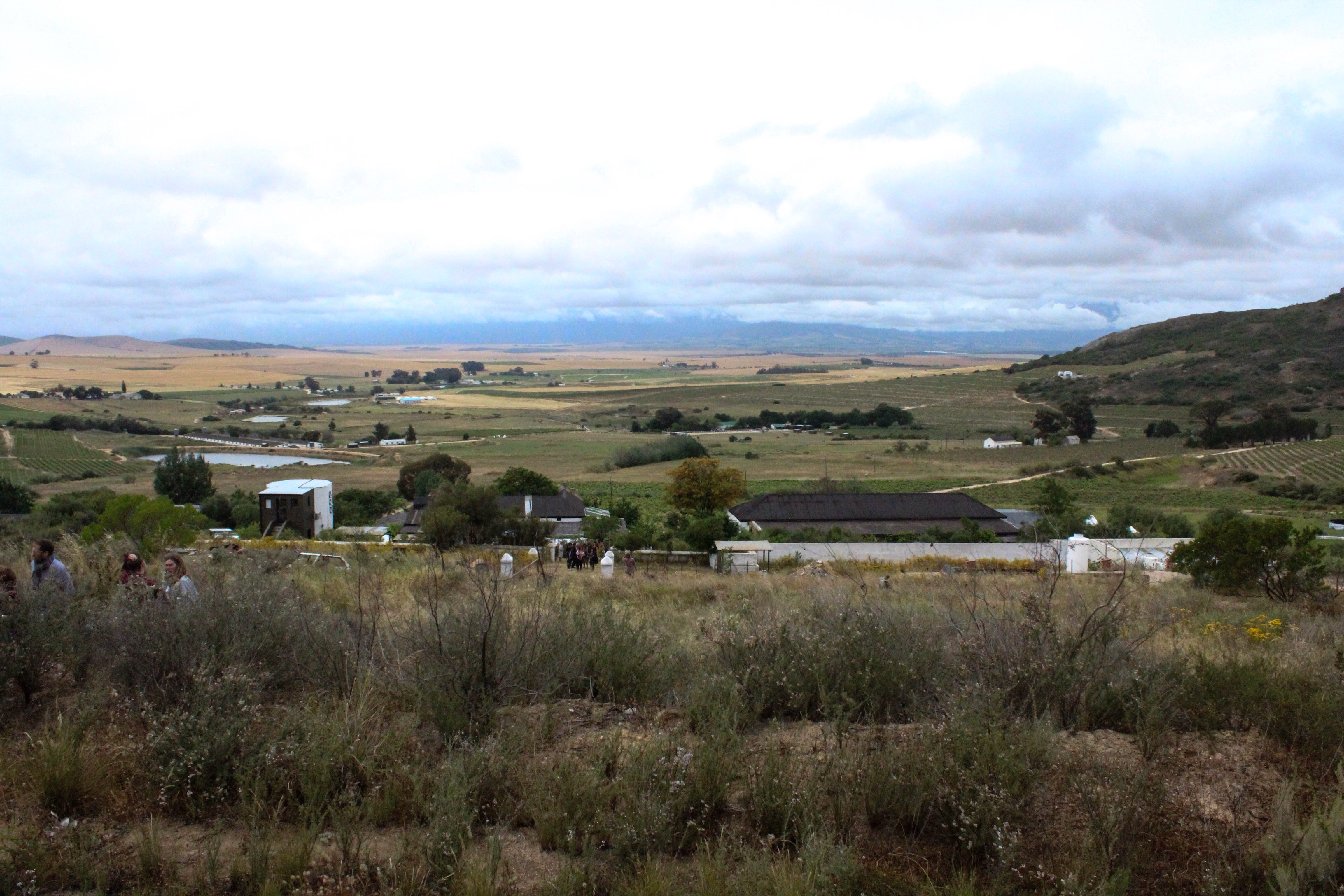
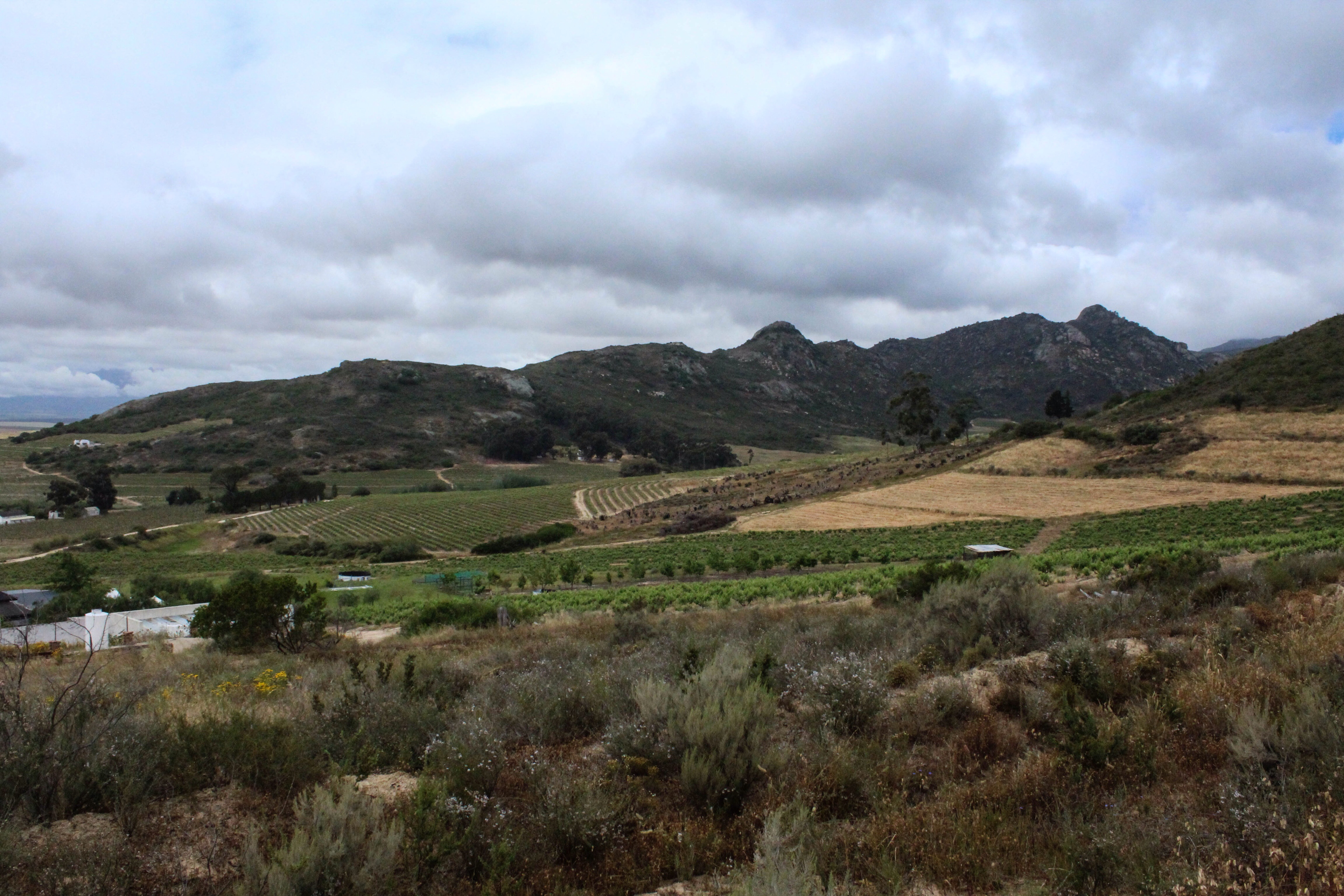
The event was held at a farm just outside of Malmesbury, Cape Town. A very bumpy and turbulent ride on a gravel road lead to us to a farm called Kalmoesfontein. There was this unmistakable old charm of a rustic farm that I relished in and in my mind for that day I was of course a farm girl! The air was crisp and fresh with excitement. Upon arrival and registration a coffee of our choice was served by Rosetta Roastery to perk us up and served with an infamous Pasteis de nata from The Hoghouse. Breakfast was served by Bree street’s The General Store with lovely little jars of Yoghurt and granola topped with fruit and the most filling and flavourful sausage rolls. This was all before talks began at 11:00.
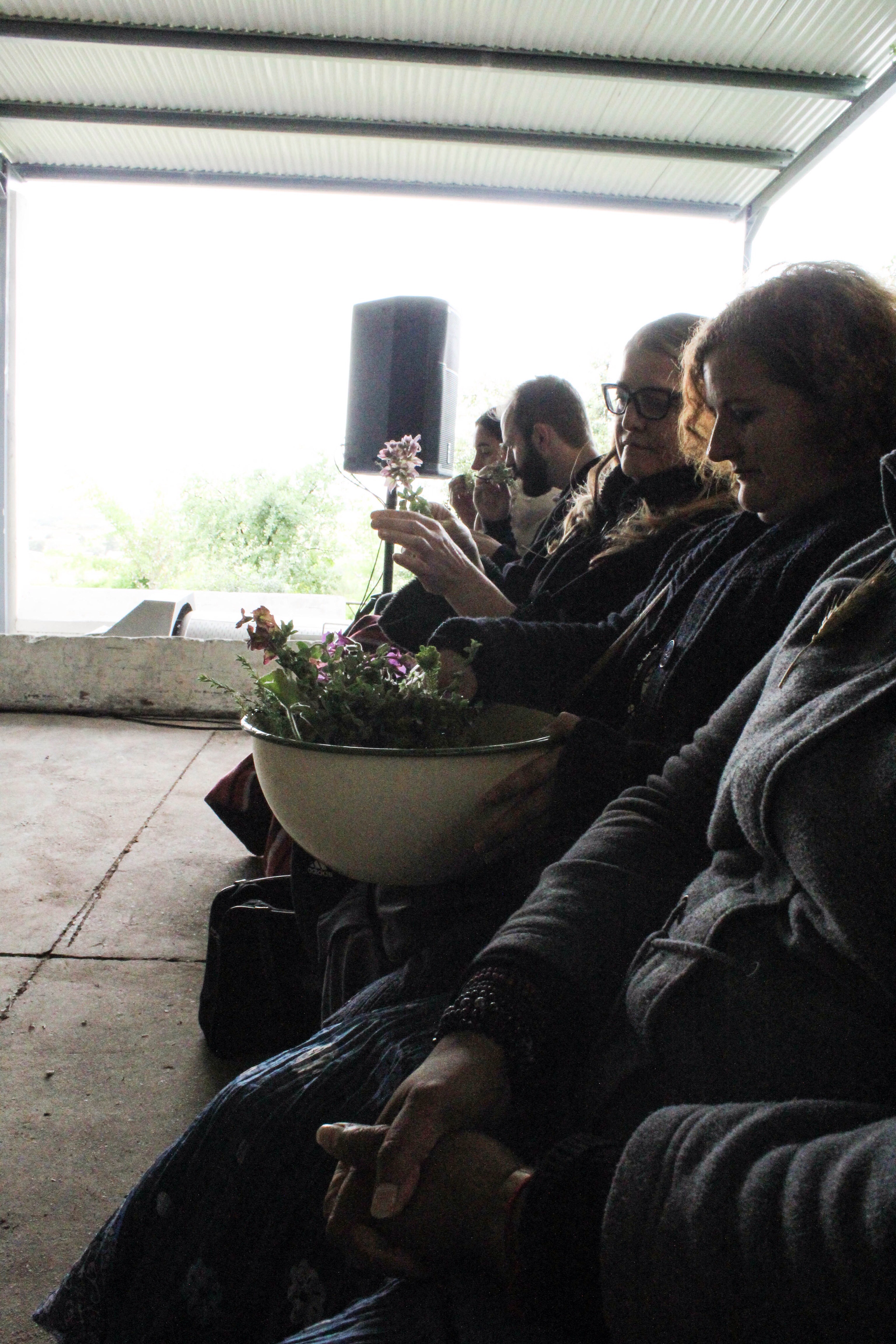
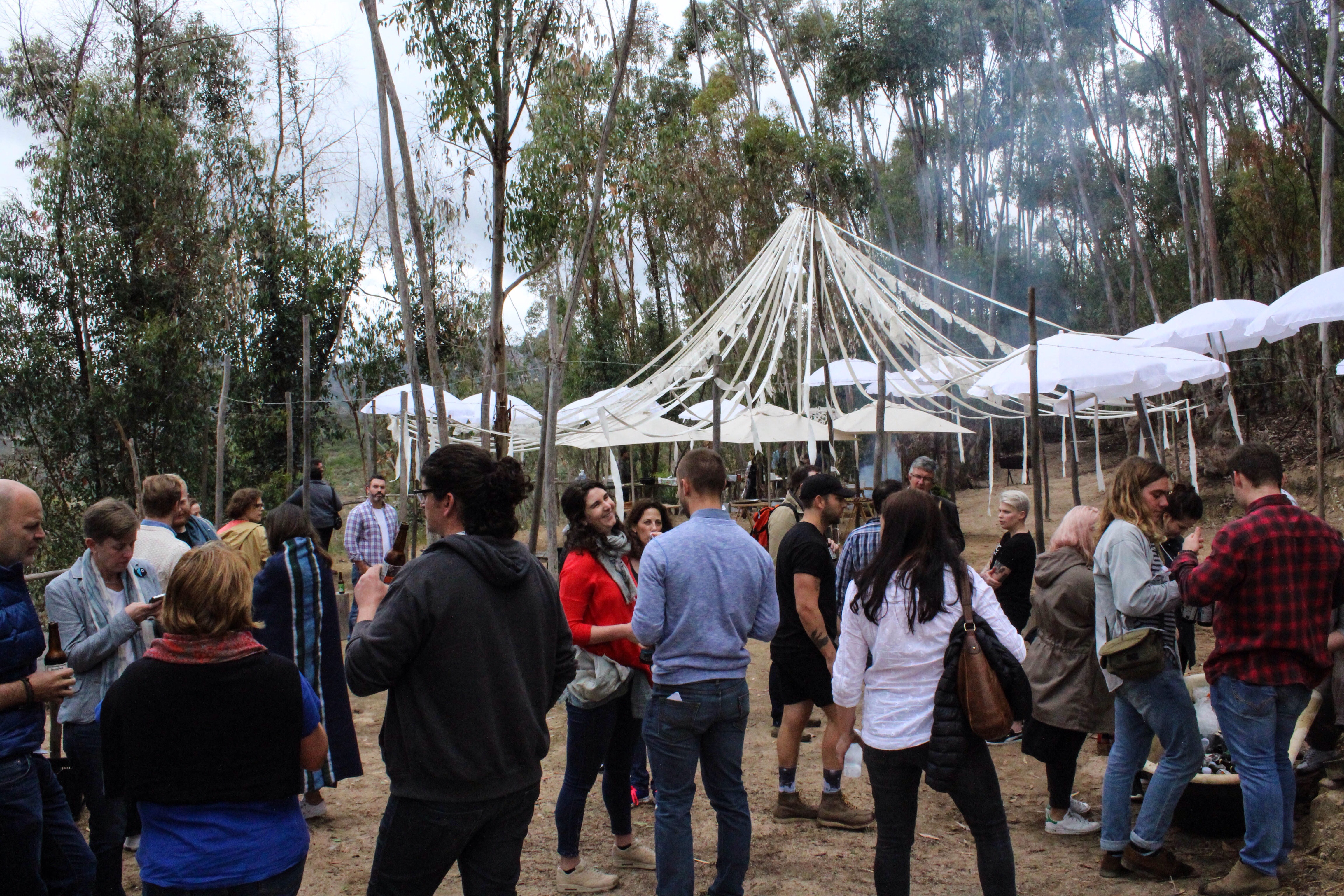
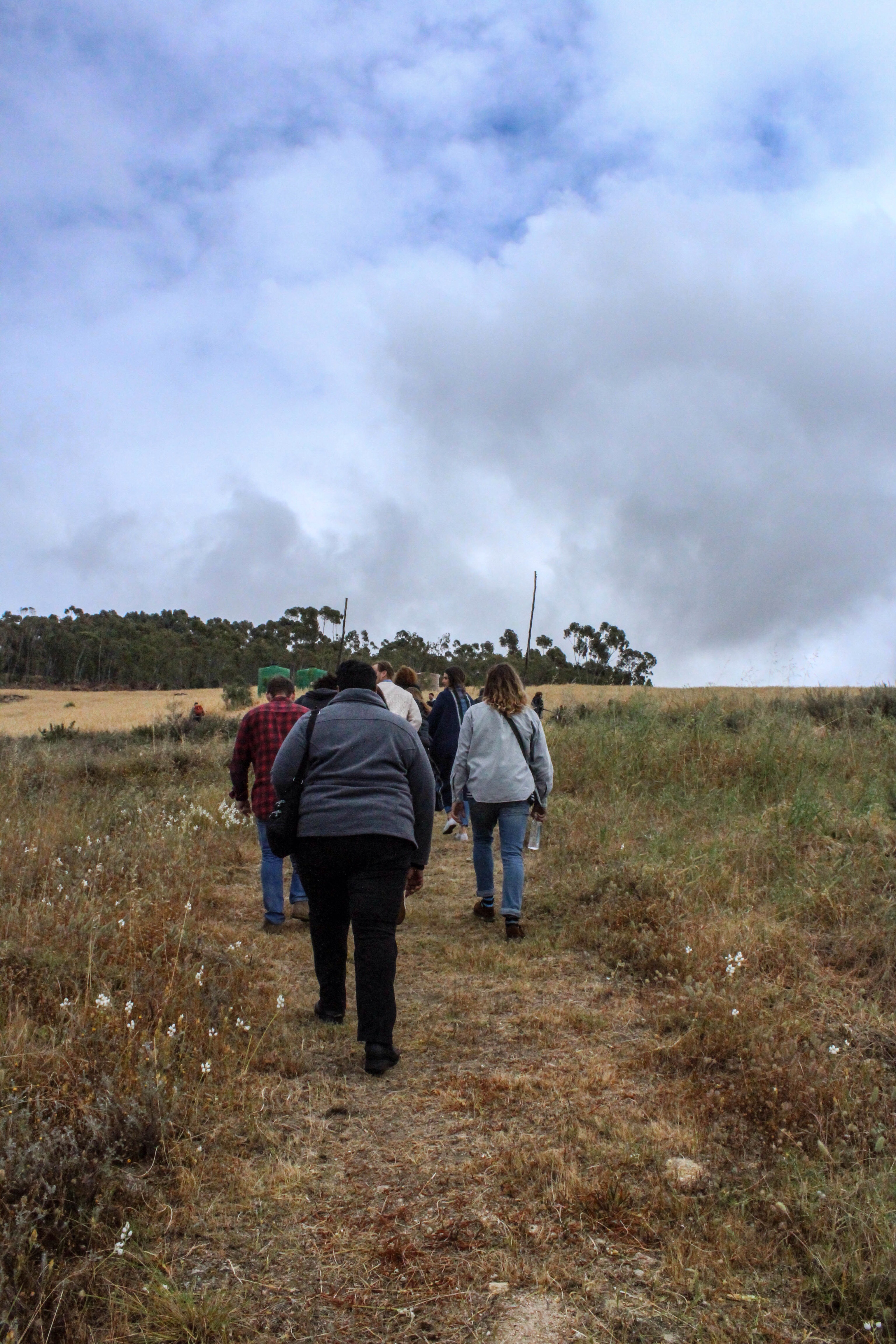
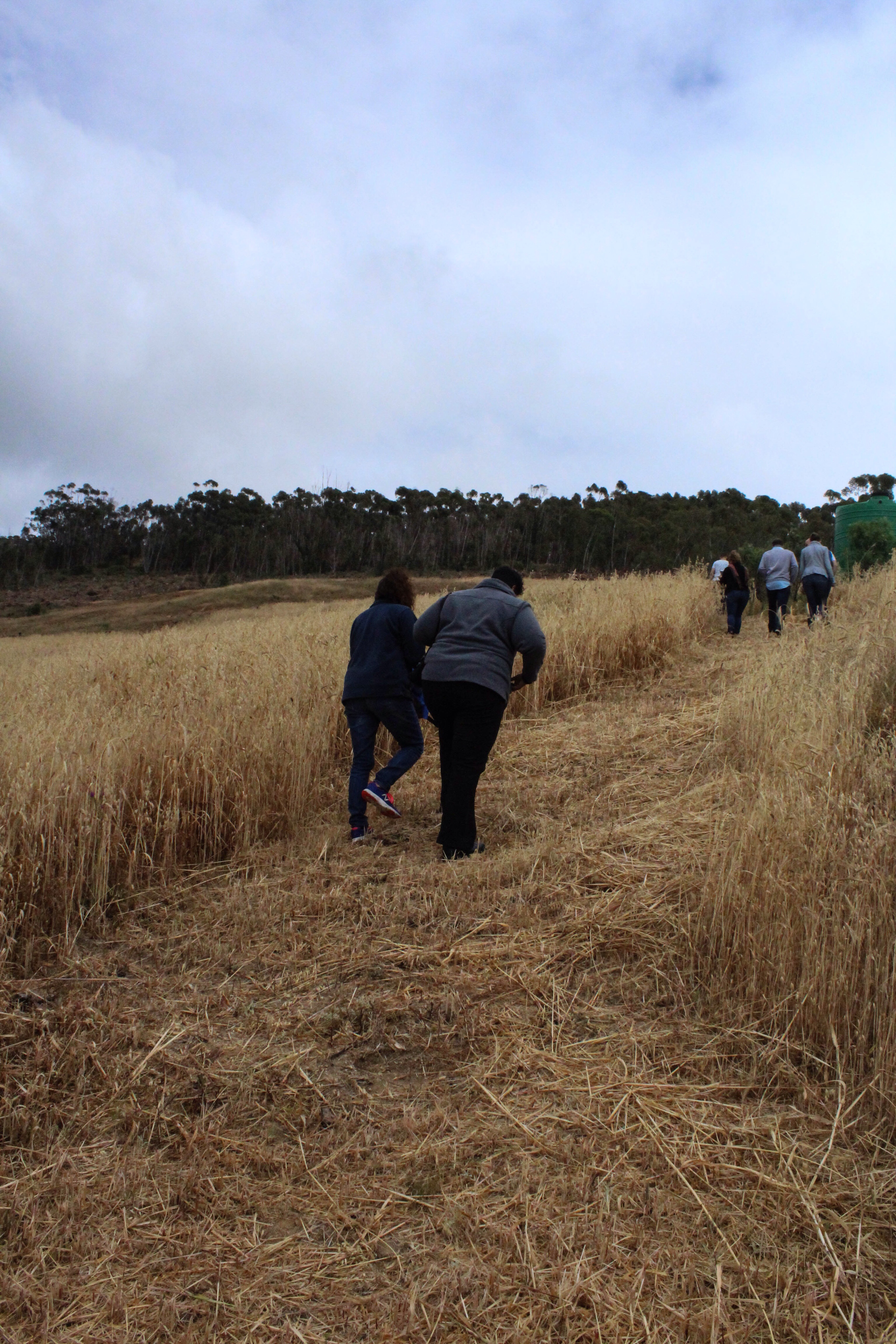
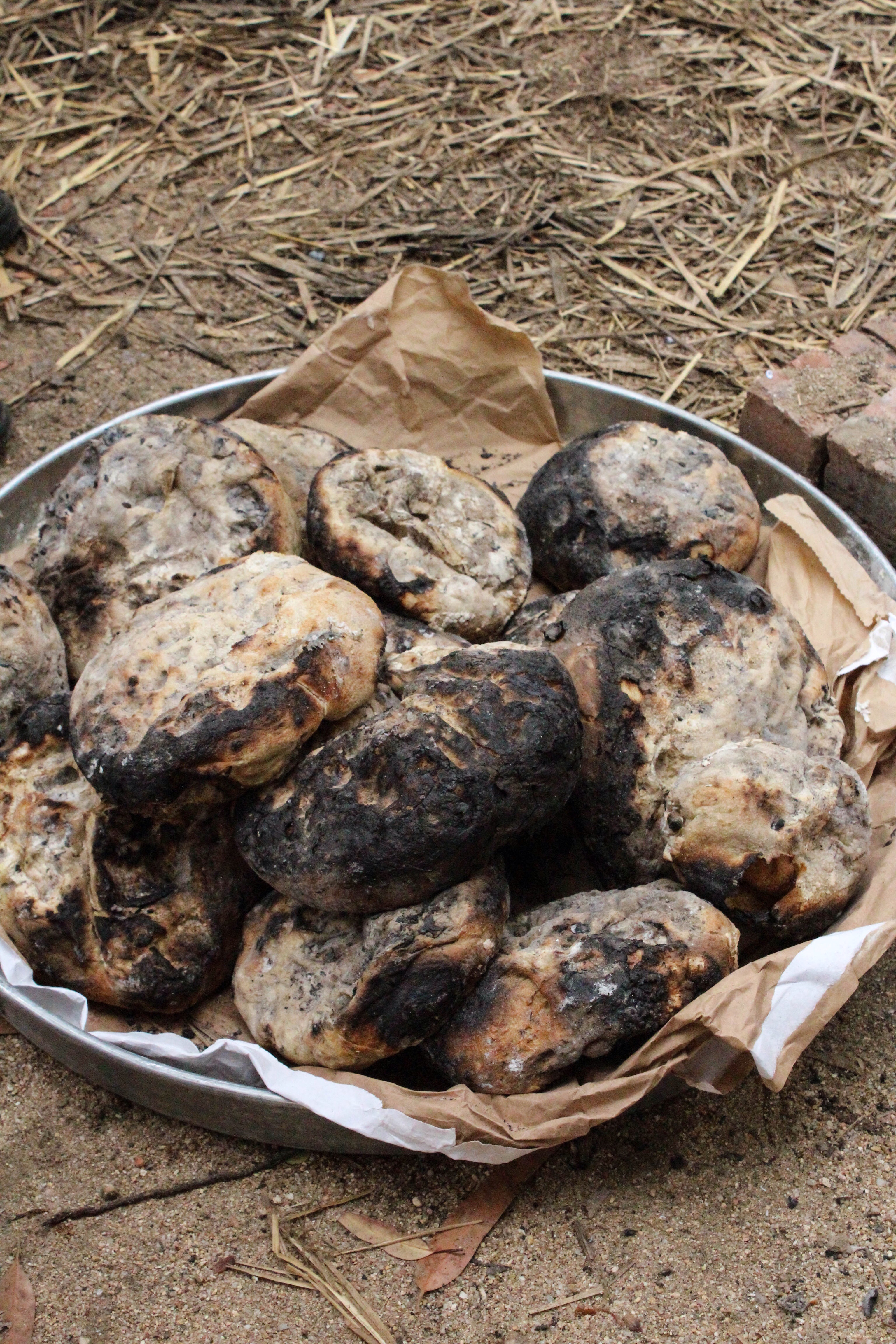
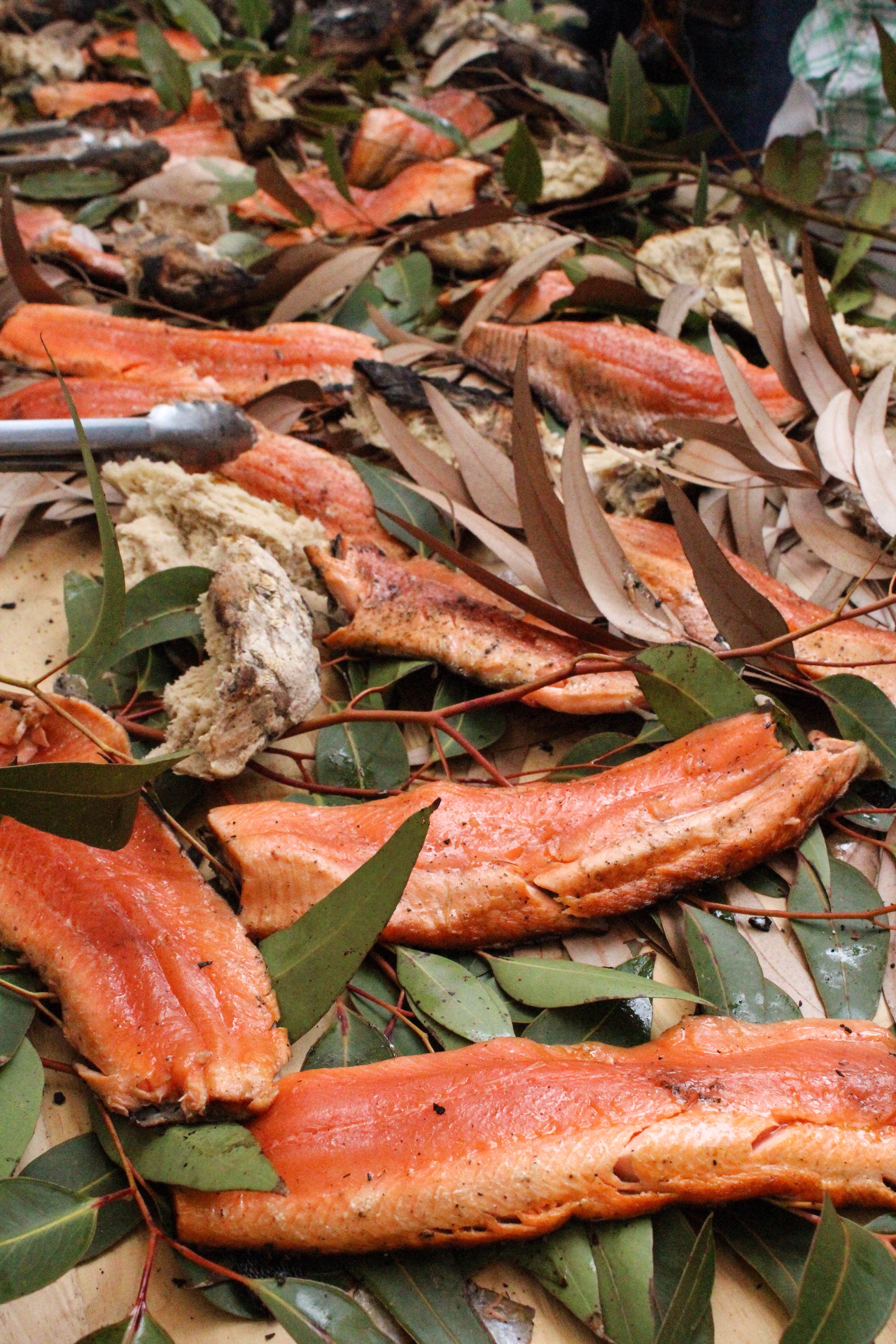
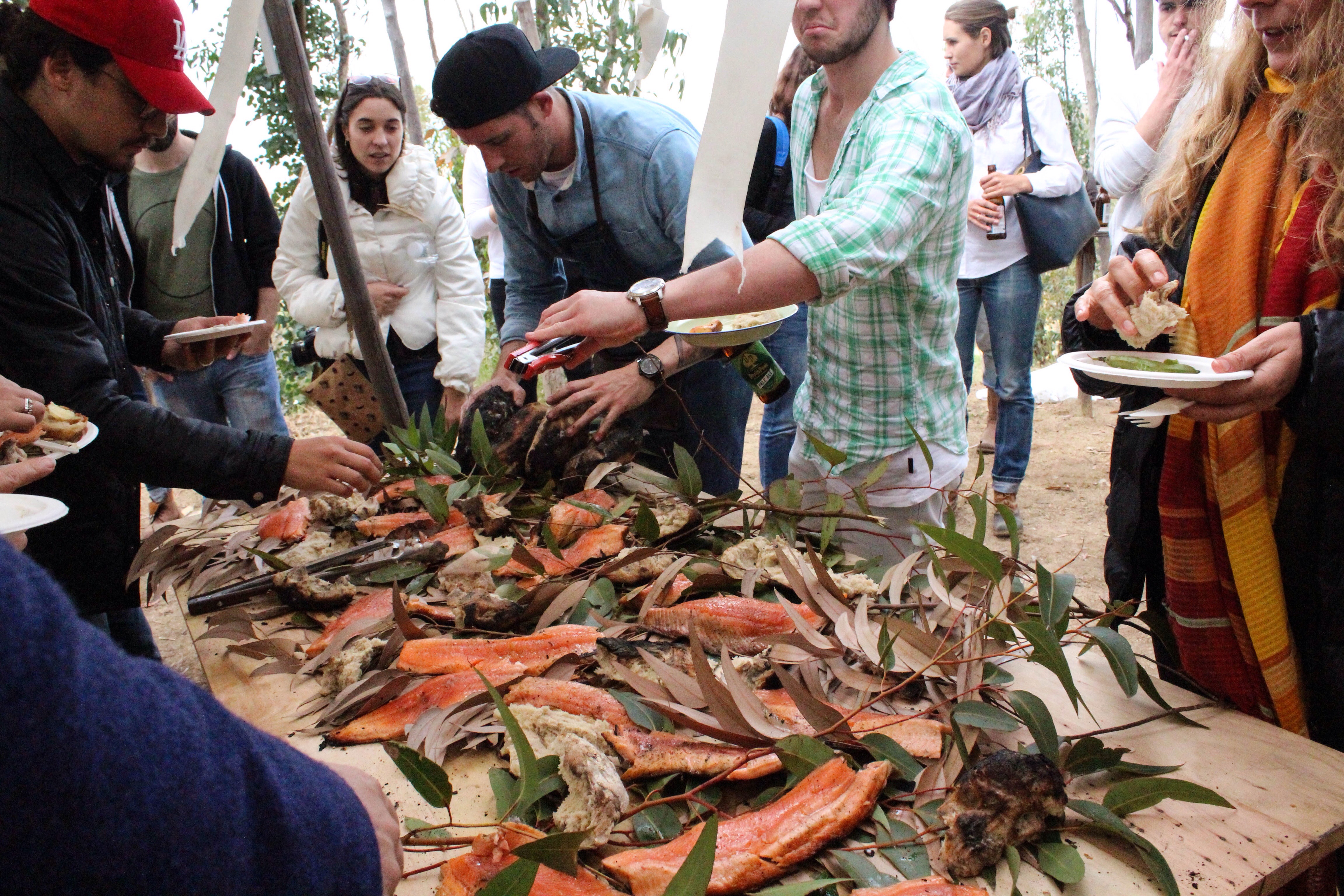
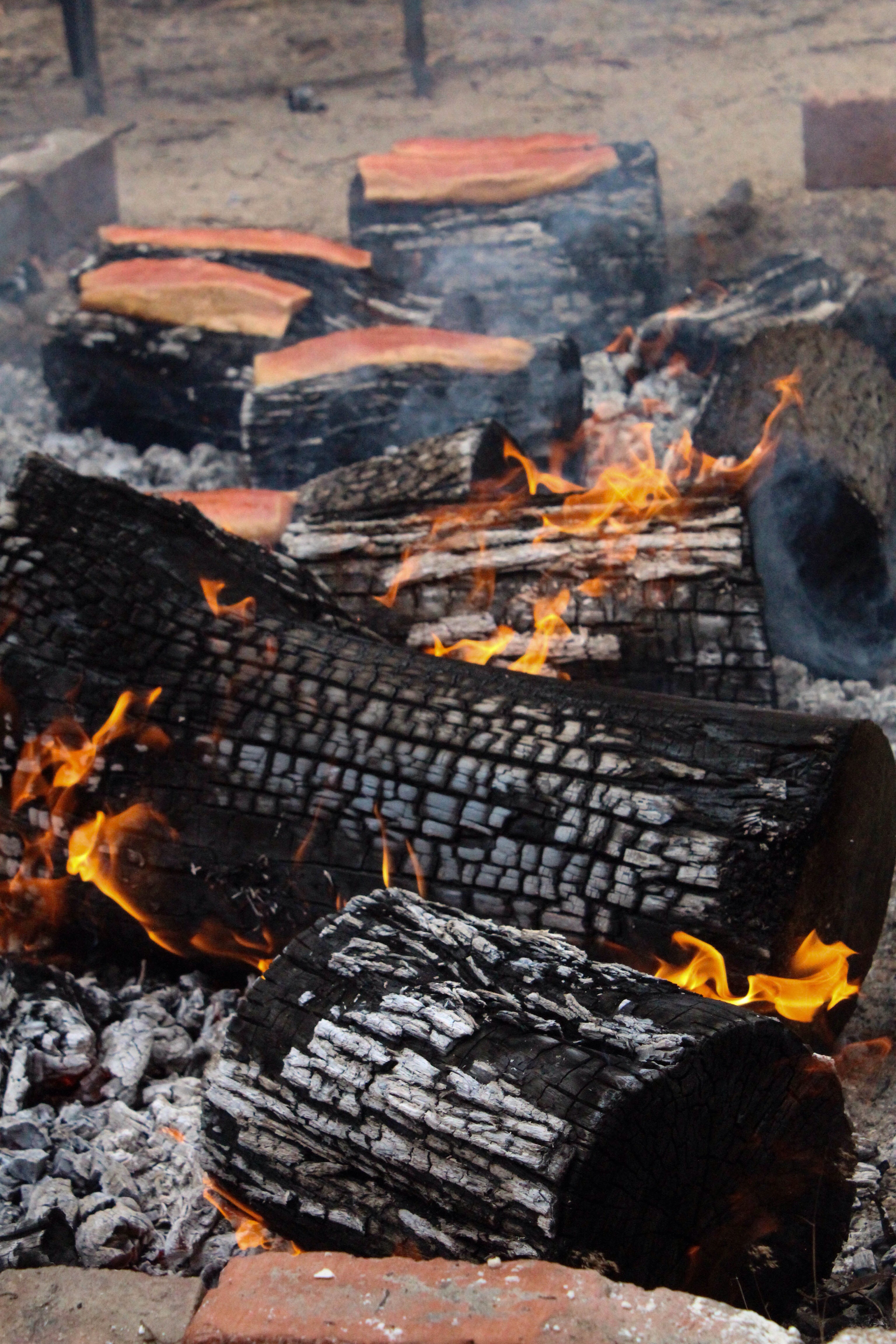
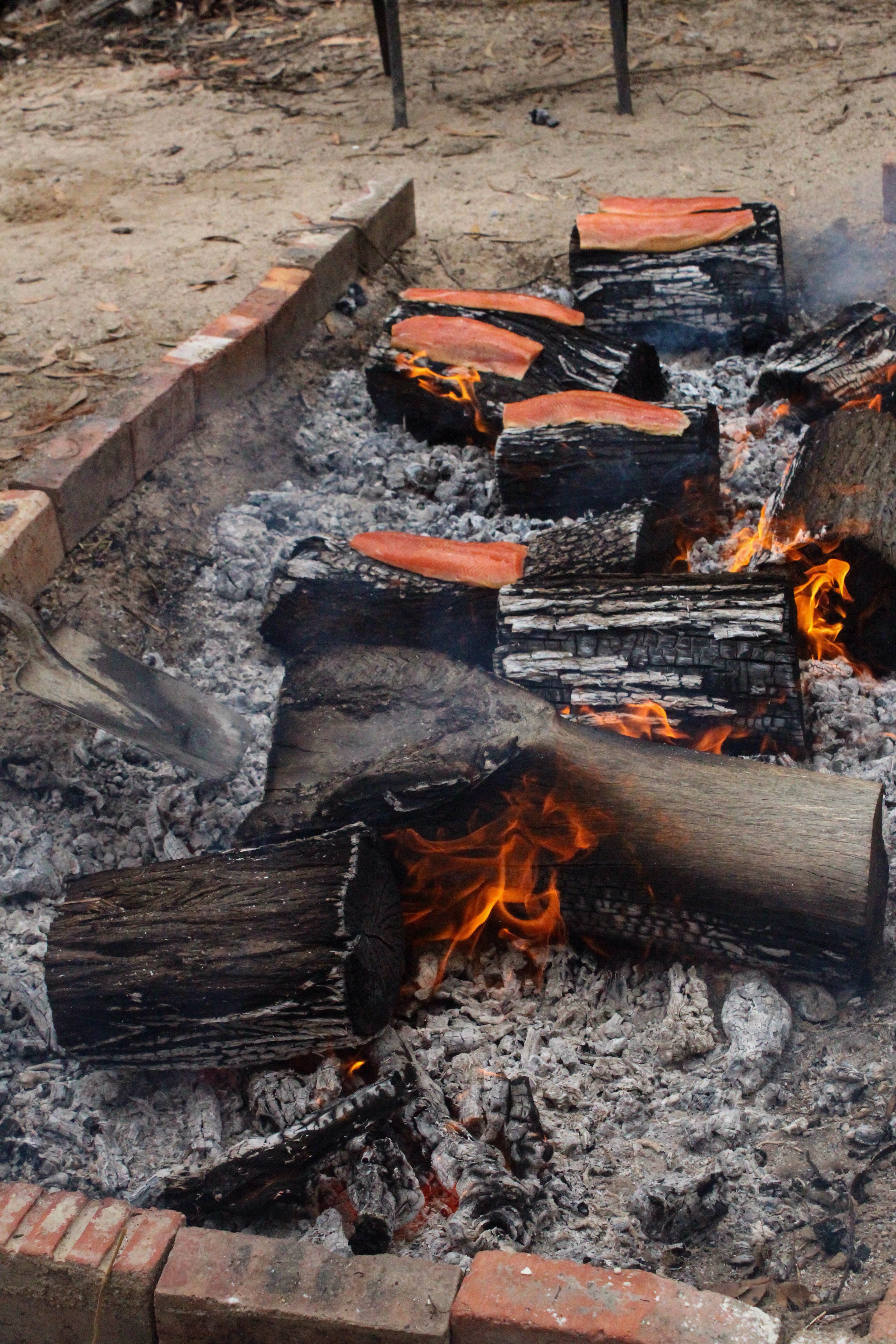
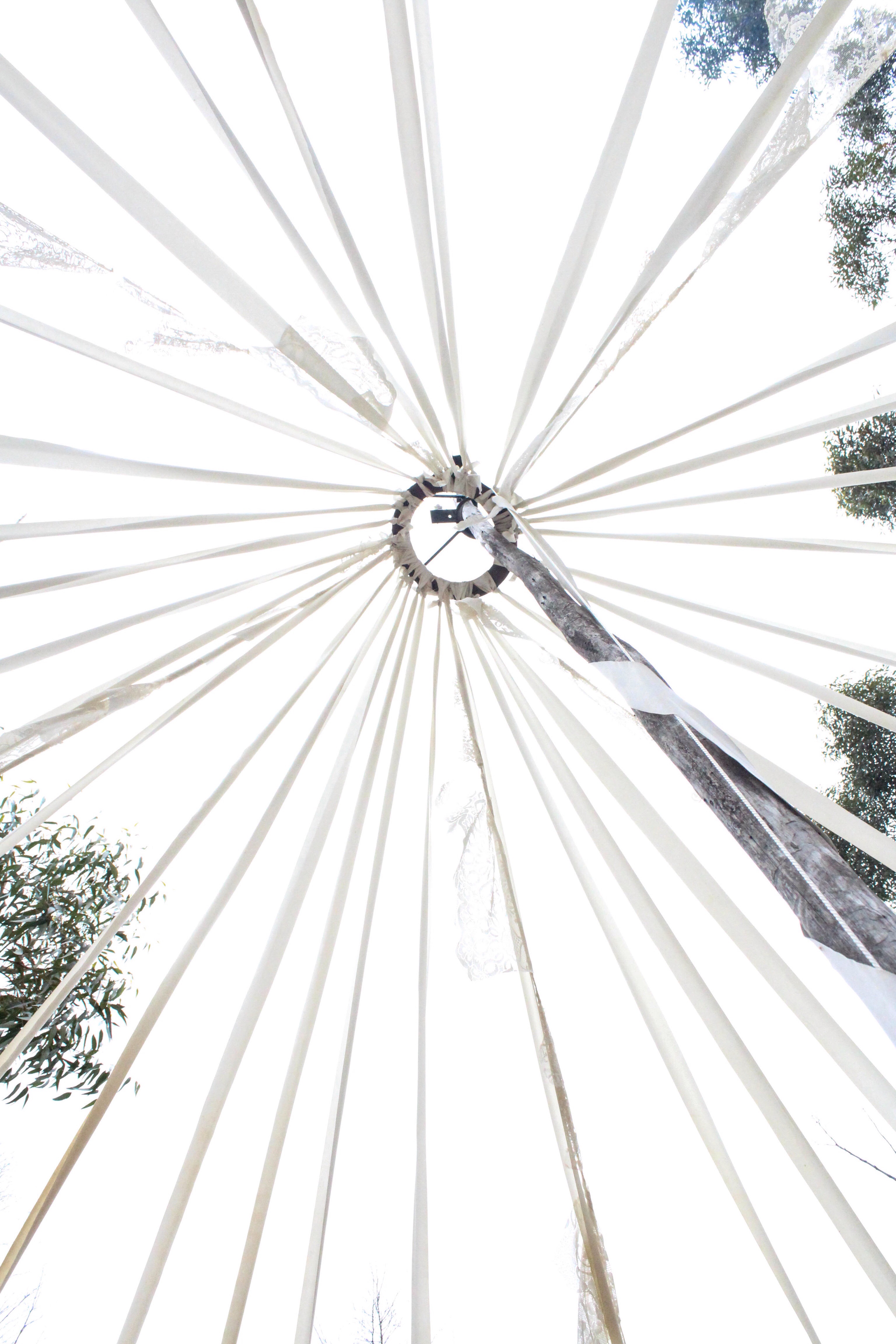
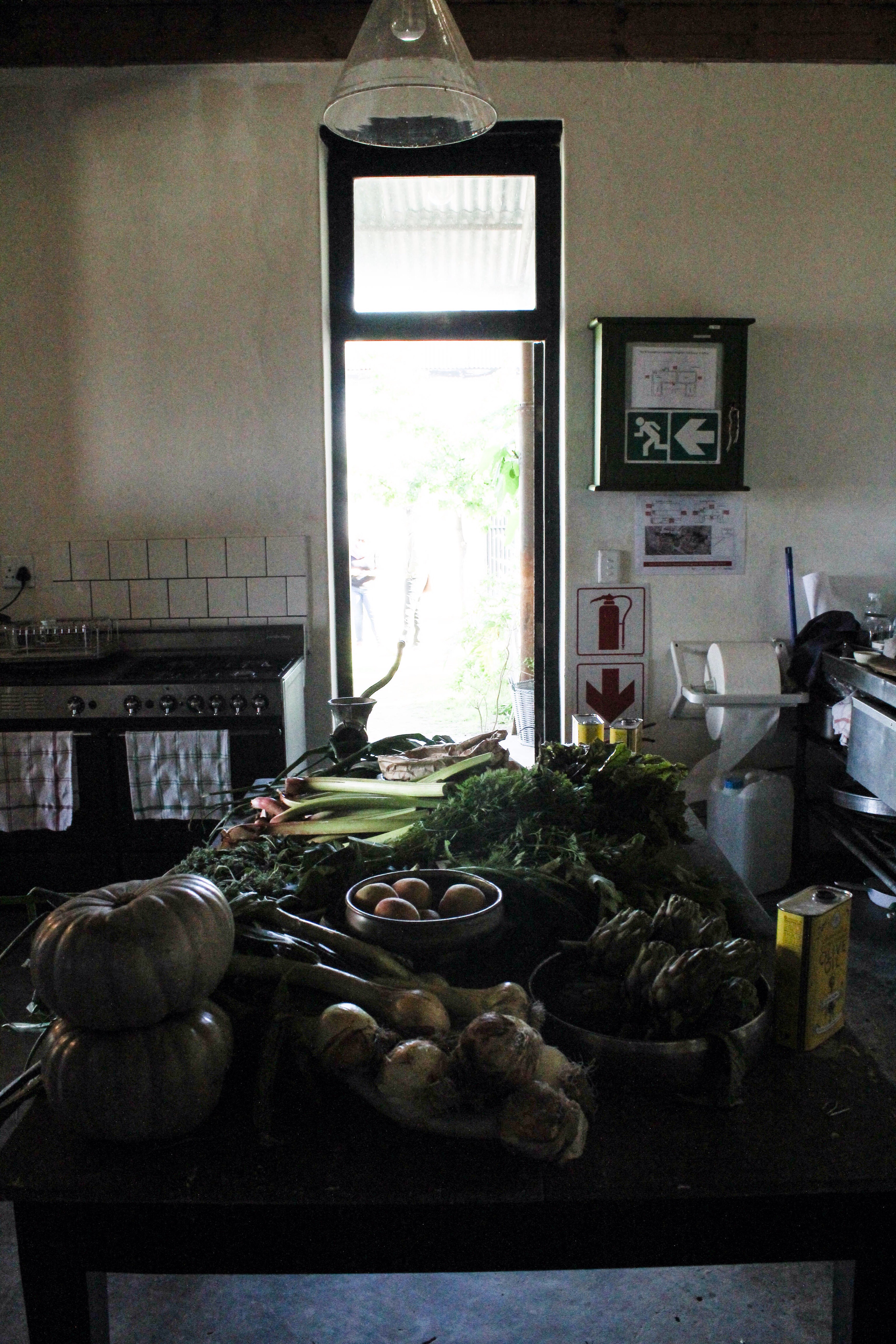
The first speaker was one of the most revered chefs in the industry, not only in South Africa but internationally making waves, was Margot Janse. Margot spoke about her work with Isabelo, helping to feed more than 240 pre-primary and 1300 primary school children daily in the Franschoek area. Not only feeding these kids but reconnecting with the community by doing so. Her overall theme for her talk was that we should all remember it’s all about “actions not intentions”. Next up, was Pavs Pillay from WWF representing SASSI(South African Sustainable Seafood Initiative) Pavs’ talk was chock full of facts and information most of us had never heard of. Speaking of which, did you know that 80% of the carbon dioxide we breathe is trapped in the sea? And the sea is the biggest emitter of that. SASSI ensures that every consumer has access to their platforms, via the really easy to navigate website or their very convenient mobile app which I constantly rely on, whenever I’m not sure about the status of a fish/seafood. Their rating system is transparent and rigorous, in that it is updated through live time. What I gathered throughout the day through every talk, was that there is a concerning disconnect between consumer and produce, meaning, most of us have no idea where exactly our food comes from, or the exact species/genus of the said produce. SASSI has noted that there is currently a consumer awareness level of between 4-44%. Pavs’ talk has really put the state of not only our marine ecology in perspective but that of the entire food culture. One of the other talks I really enjoyed, I might be biased, as to my love for Indigenous fynbos, Roushanna Gray, from Goodhope gardens nursery runs seasonal foraging courses, something of which I had been wanting to attend for some time. Roushanna started out with an interactive demonstration with the audience, involving the entire crowd standing up and us in the first row(representing the amount and rarity of the fynbos kingdom) remaining standing. This was truly an eye opener to learn that there are 6 different floral kingdoms and over 9000 different species. Currently fynbos foraging is not sustainable in the summer months, it is however recommended in the wet winter months to forage, as this is it’s peak season. Roushanna passed around a bowl of a fragrant and beautiful bouquet of fynbos which filled the outside space we were sitting in with so many evocative scents, taking me back to my late gran’s garden. Fynbos foraging should always be done with an expert. Lunch was a strenuous hike(for the unfit,like me)up a wheat field situated in a rather steep hill, once up the hill, arrows pointed us in the direction of a leafy forest, to which there was a festive lunch set up with the chefs cooking lunch already up and going getting lunch started as quickly and effortlessly as possible. The hike up was more than worth it! Exactly like the fairytale pot of gold at the end of a rainbow. Lunch was Trout cooked directly on the wood in the fire with askoek(bread cooked in the coals) and the most colourful vegetable spread, crunchy radishes with a tasty vinaigrette and broad beans cooked in a hand held grill over the fire, all made for contrasting smokey and fresh flavours. Whilst being down to earth rustic, lunch was certainly a taste experience I will never forget!
The rest of the day saw speakers like Jono Le Feuvre from Rosetta roastery, Adi Badenhorst the owner of the farm of which we were generously hosted, Kurt Ackermann Co- founder of Oranjezicht City Farm market, Ross Simmons an origami artist and Pieter and Koot Prinsloo from Daybreaker cattle farm. Pieter and Koot a father and son partnership, pride themselves on grass-fed beef raised in a unique and natural environment with the intention that meat is naturally produced with minimum intervention possible. No antibiotics, growth stimulants and animal by-products are used on or fed to their animals. The Daybreaker farm also supplies some of the products in the Frankie Fenner butcheries.
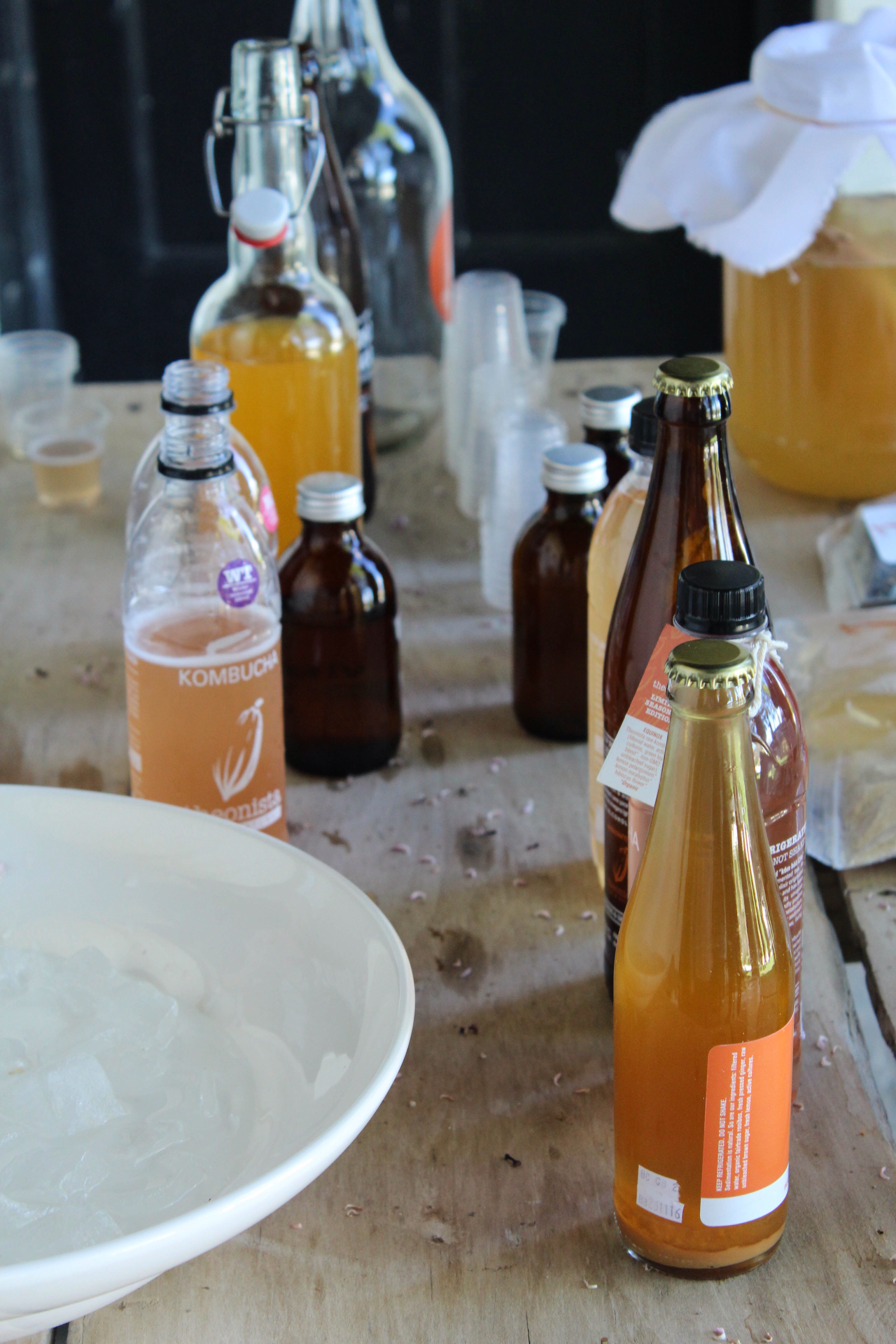
After so much information overload, it was time for interactive workshops with, Hope on Hopkins Gin, where we got to do some Gin tasting with different botanicals, and a kombucha tasting by Theonista, one of which of which I tasted was infused with fynbos botanicals that Roushanna Gray supplied and consulted on, as a collaboration. Unfortunately I had to leave before dinner was served, but by the looks of it, I missed out on quite a meal!
There is an urgent need for a gap to be closed, a reconnection to be made with our food culture, educating ourselves and others can make a real difference. We need to be supporting our local producers and connecting with them is essential in maintaining a relationship that is mutually beneficial.
What the founders and organizers of Convivium have been doing, is truly admirable and inspiring, by starting a food movement that takes us back to basics and taking the time to educate young professionals or anyone interested in the industry is something that should become an everyday thing amongst us all.
I challenge you to reconnect with your local food producers, and have a proper conversation as to where your food comes from, ask questions and be curious.
Dominique x
**This post was not sponsored in any way, all travel and ticket costs was paid for by myself. **

 Nectarine, tomato and feta salad: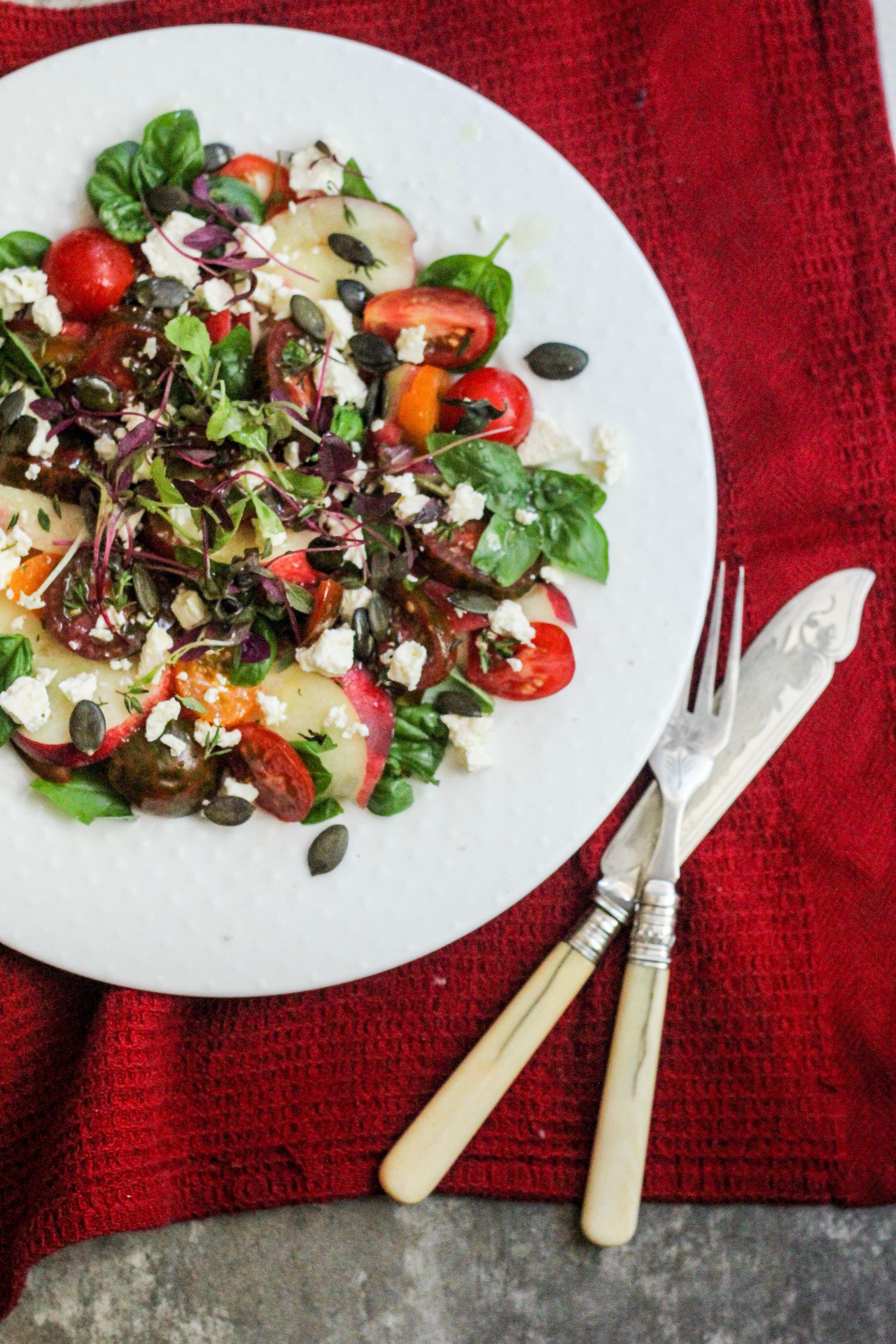

 I’m going on a little holiday this week, and while I don’t really want to pack away my styling kit and shutdown my wordpress interface, I think I am in need of fresh sea breeze, sand between my toes and different scenery kind of downtime, if you know what I mean. I’ll be back again next week, refreshed and inspired.



 The Corkless Mind