It certainly is beginning to look a lot like Christmas, especially here on Off Beet! These recipes are just some of my favourite menu items that I love to make for special occasions. Because at the end of the day, you should only be making food you love eating. My motto is to keep it simple in the kitchen, no frills kind of cooking.
I shot and recreated the recipes a few months ago already in preparation for my Food&Home Magazine feature, which was for the ‘Blogger of the Month feature. Just another week or two till you can get the copy off of shelves. I had a lot of fun shooting the recipes and the excitement was something I really couldn’t contain. I don’t own any sort of Christmas decor, so I had to borrow some festive decor from family. I am still buzzing from the feature and feel that this is only the start of a budding career. The recipe for the Pork Belly, is from one of my favourite cookbooks, Nopi By Yotam Ottolenghi. Recipe for the Garlic and rosemary Duck Fat roasted potatoes is one I have developed. I love this recipe so much, that it would probably be my last meal on Earth. The recipe for the meringue covered tropical Bundt cake was adapted from Nigella Lawson’s Thyme and Lemon Bundt cake recipes rom the cookbook Simply Nigella, both of which is unfortunately not available online but can both be found in the books. The beetroot cured Salmon, fennel and gooseberry salad is a great option for an entrée.
For the beetroot cure, in a food processor or NutriBullet blitz two baby beet roots or one beetroot with a little water to make the mixture watery, place the salmon slices(I had 50g of salmon) in the beetroot mixture with a pinch of salt and a pinch of sugar, leave in the fridge to cure and soak up the beautiful beet colour. Assemble salad and place salmon on top of all ingredients, to add a creamy texture I added Ricotta to the salad.
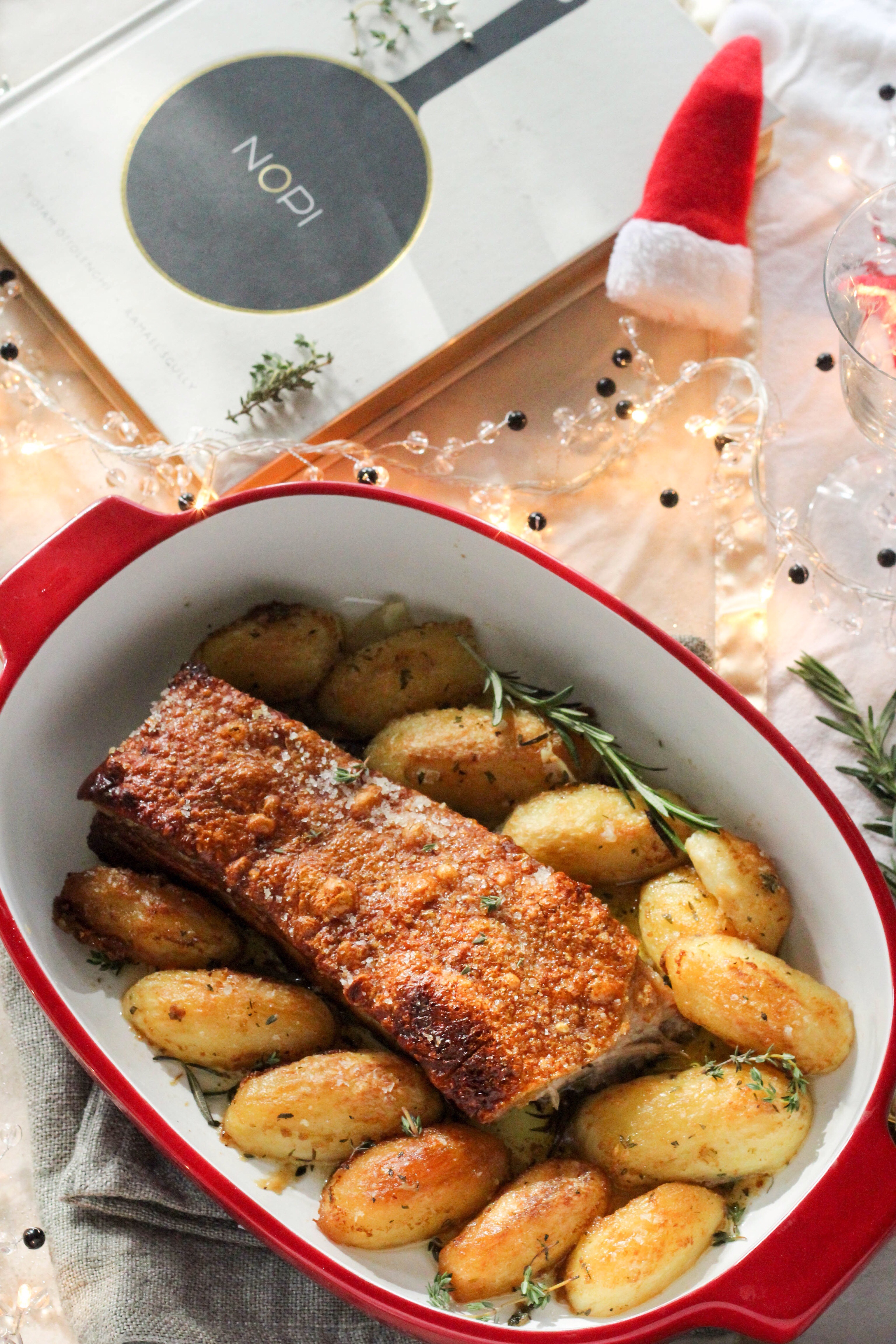
For me, Christmas won’t be the same, without crispy crackling pork belly and duck fat roast potatoes.
What are your signature dishes for Christmas?
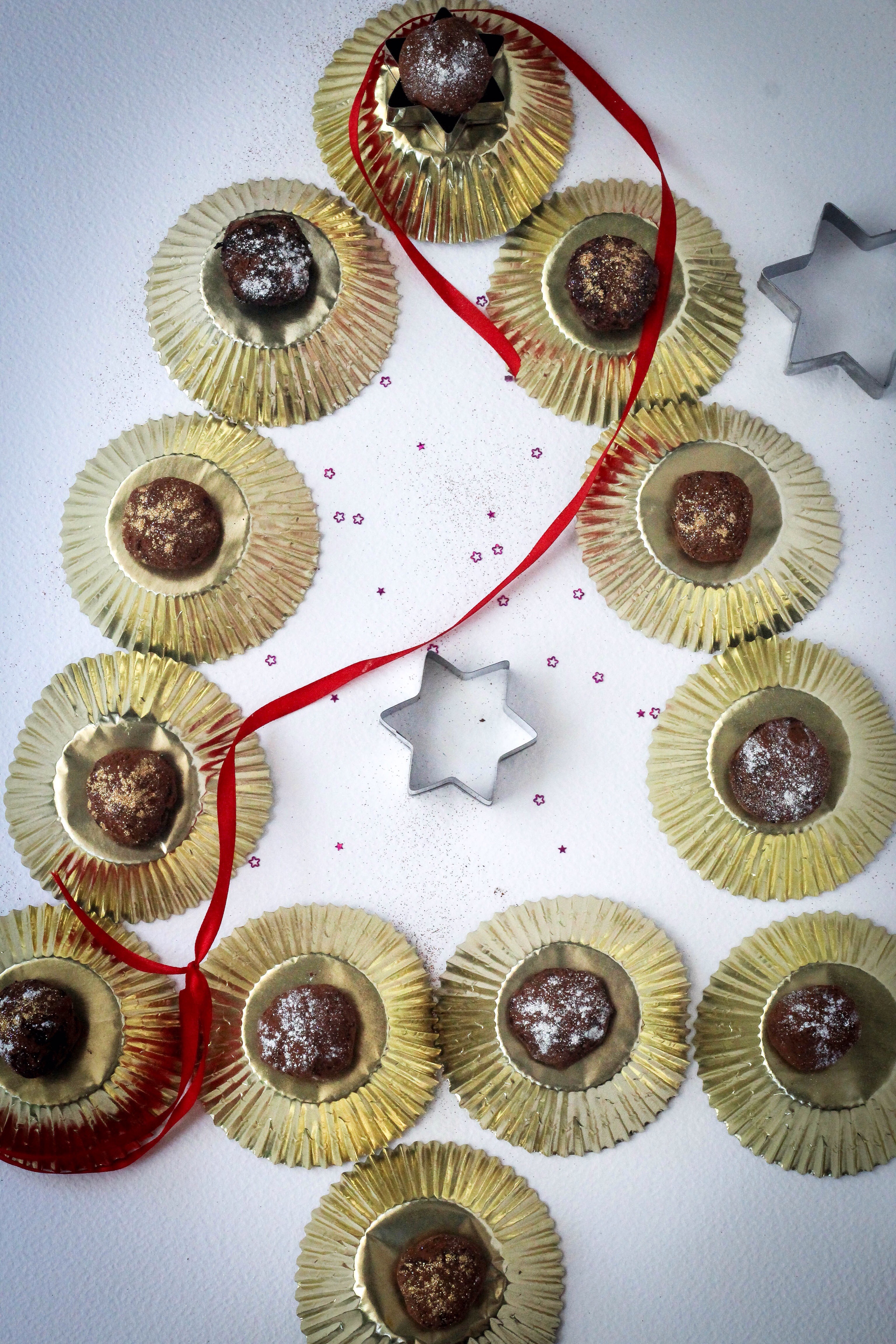
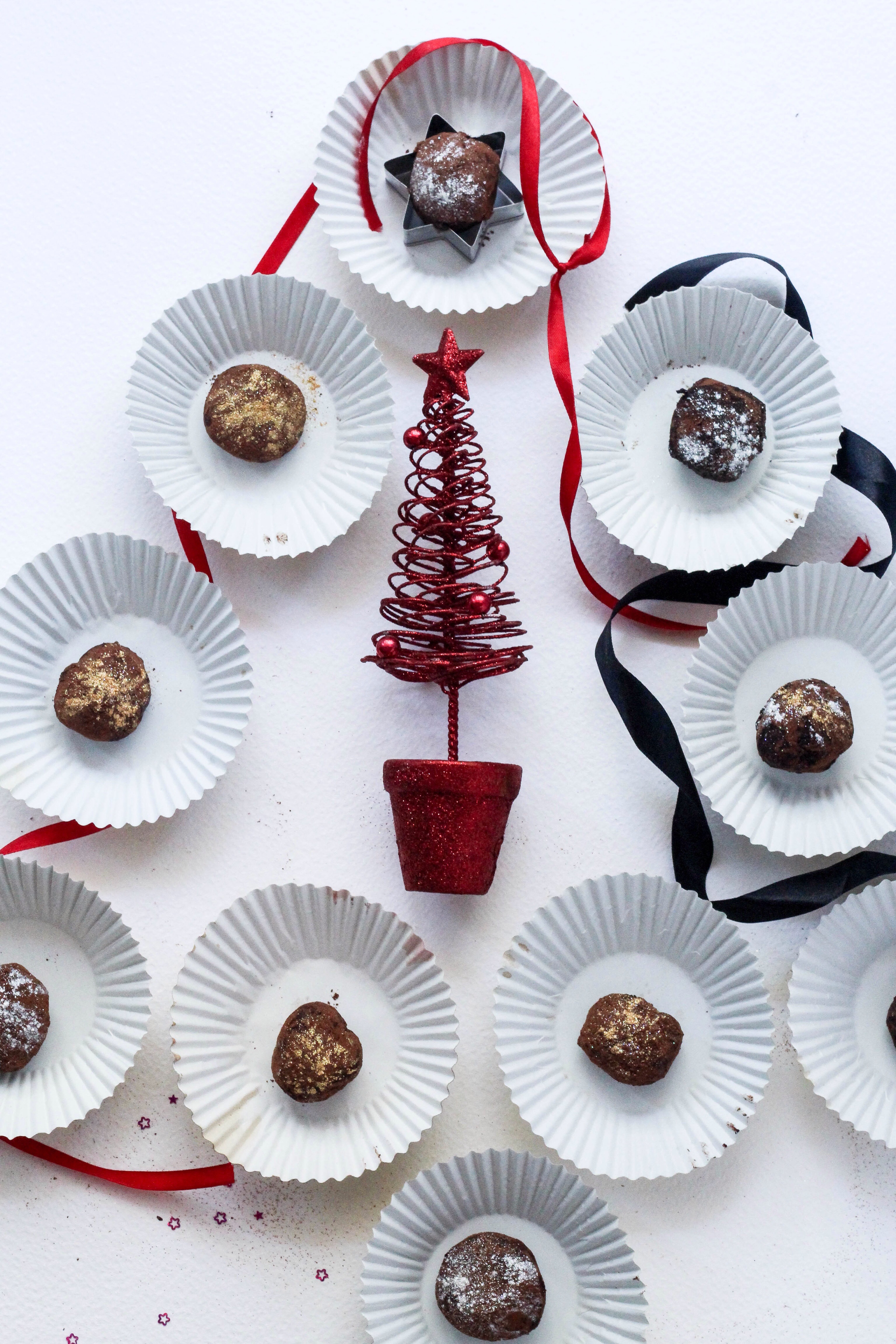
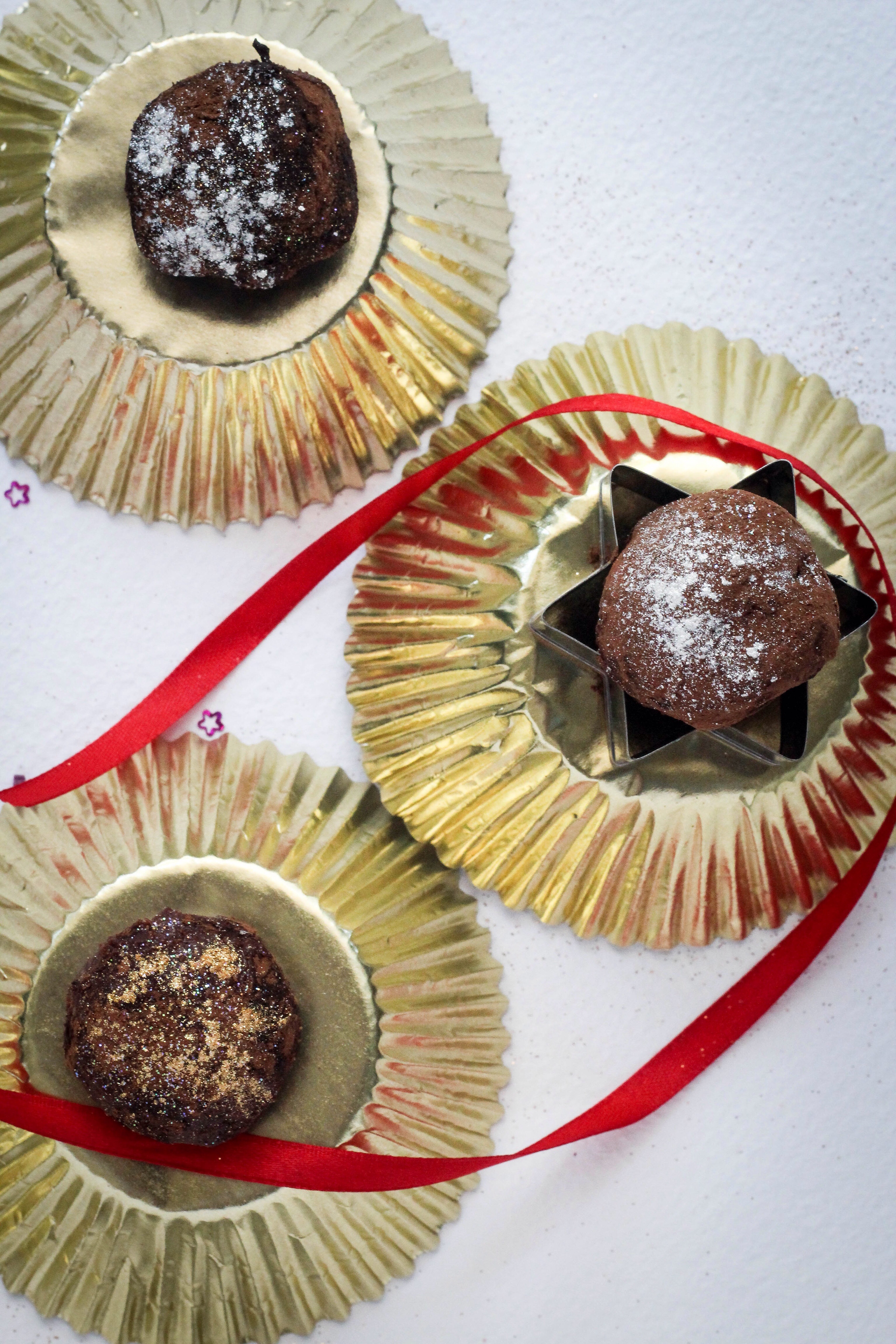
Welcome to December! How quick did this year go by!? Every week to celebrate the festive season and to of course give you ideas for your next dinner party, I will be doing at least one festive themed recipe per week. This week I wanted to create a light snack for summer, something for anyone and everyone to enjoy and a refreshing drink that all can enjoy too.
I found a recipe from the renowned Chef Liam Tomlin from the revered Chefs Warehouse in Cape Town that he recreated for Woolworths Taste Magazine. The recipe is incredibly simple to recreate at home with very little effort involved, doesn’t that sound good? And of course I added a little(a lot) of sparkle because tis’ the season!
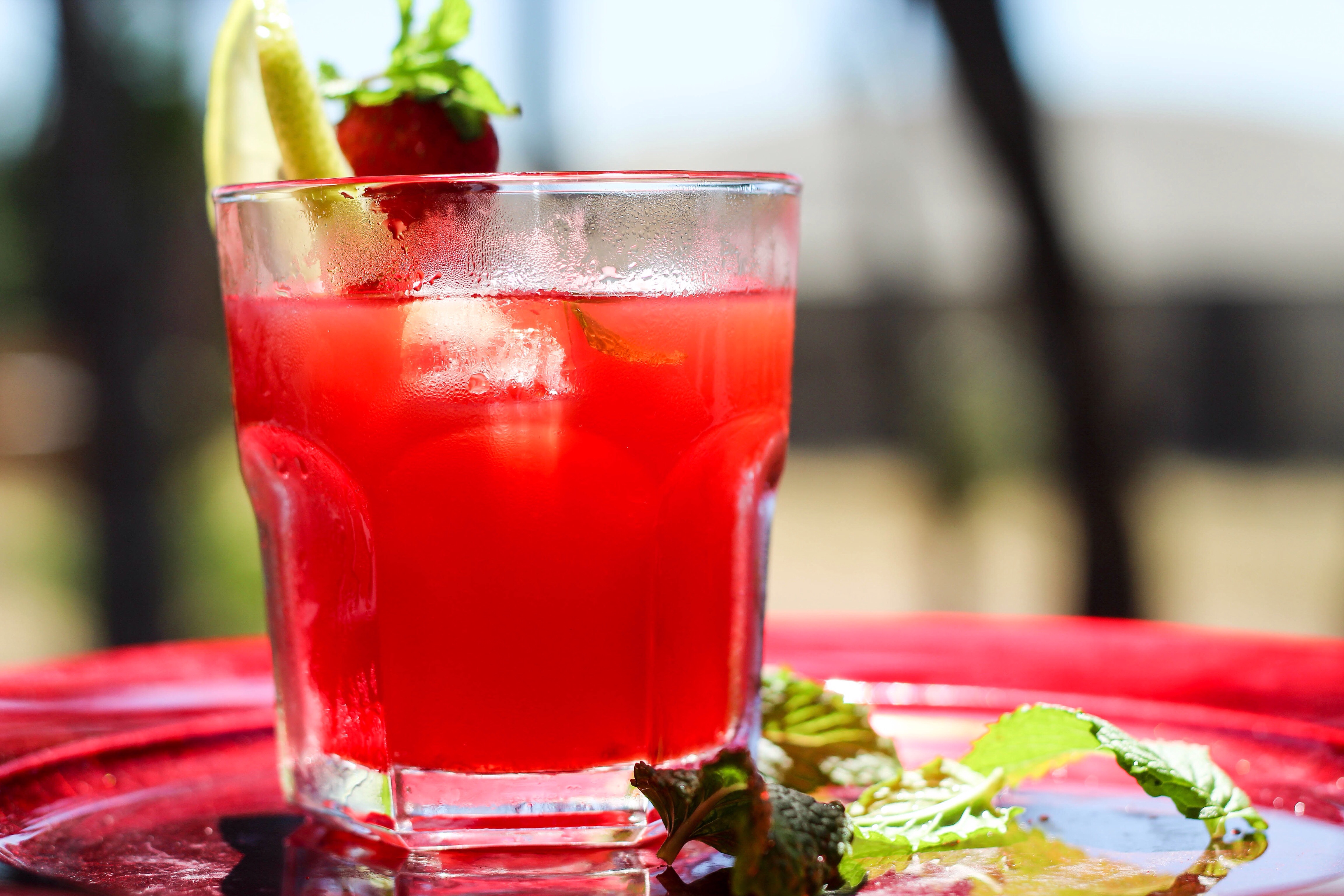
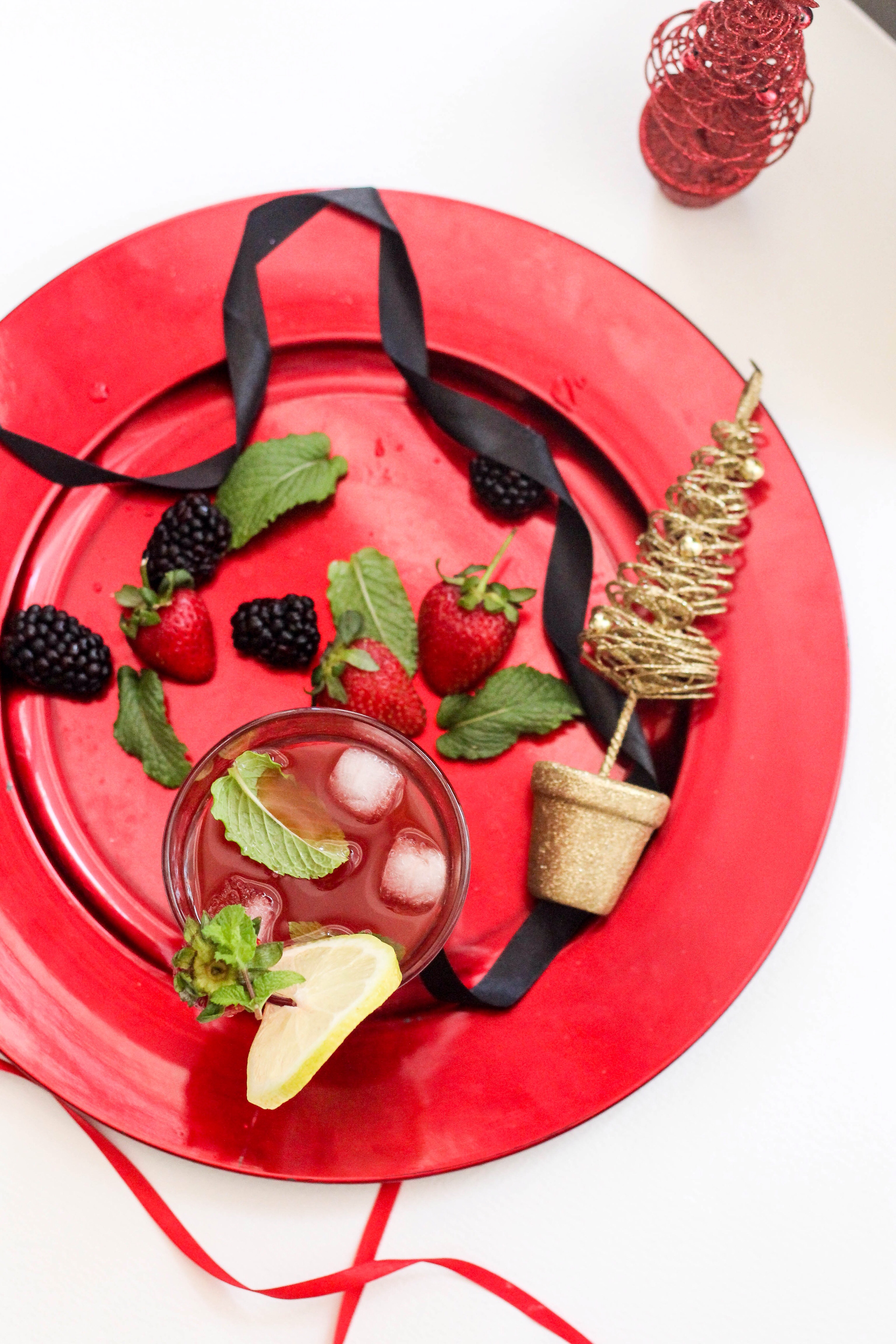
I’ve been a weekly regular at a certain awesome bacon themed restaurant in my area, and they serve the most delicious, refreshing locally made artisanal iced tea. Mesmerized by its unique flavour and texture, I have been racking my brain to recreate it at home. This is a recipe that I have developed.
Ingredients:
4x Rooibos tea bags
500ml boiling water
200g strawberries
100g blackberries/any other berry of your choice
A drop or two of rose water
250g castor sugar
Juice of one lemon Method:
Over a medium to low heat, bring the berries, sugar, lemon juice and rose water to a simmer until the berries are macerated and the juices of the berries have covered the berries and sugar dissolved, take off the heat and leave to cool.
Brew the rooibos tea in the boiling water and let the tea draw for 10 minutes, leave to cool and place in the fridge. Once both the tea and the berries have been cooled, pour the compote mixture into a tea pot or carafe with the rooibos tea, serve with a slice of lemon and a few sprigs of mint.
This is the ideal drink for long scorching summer days or switch it up and add alcohol to make a crisp cooler.
Happy festive season!
I’ve been struggling to come up with blog posts lately, mainly suffering from ‘writers block’, which to me is weird as I am immensely passionate about fare and find I can talk about food for hours on end if you pick my brain I will happily engage in conversation about my basic knowledge of food. However there’s just one little problem, you see I’m an introvert, and a rather shy one. But like an onion I have so many layers, if you peel me back…
I tend to compose posts and recreate recipes only when inspiration has struck. My kind of Inspiration, could be that instantaneous revelation of how ‘ugly’ distorted veg is hardly ever used these days, or asking myself questions, like “why can’t candy floss be savoury?” Yes, these are indeed the strange yet wondrous questions I ask myself.
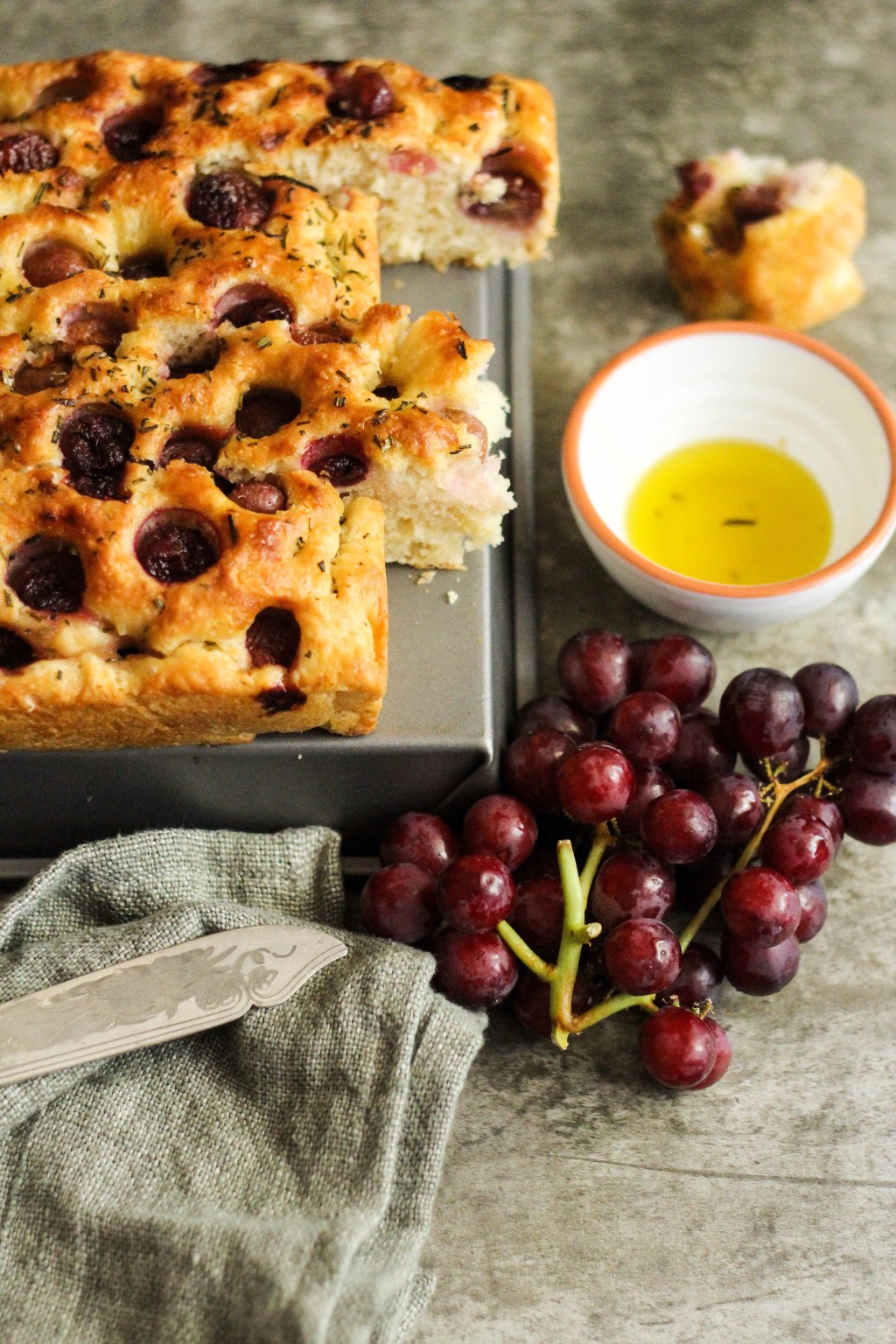
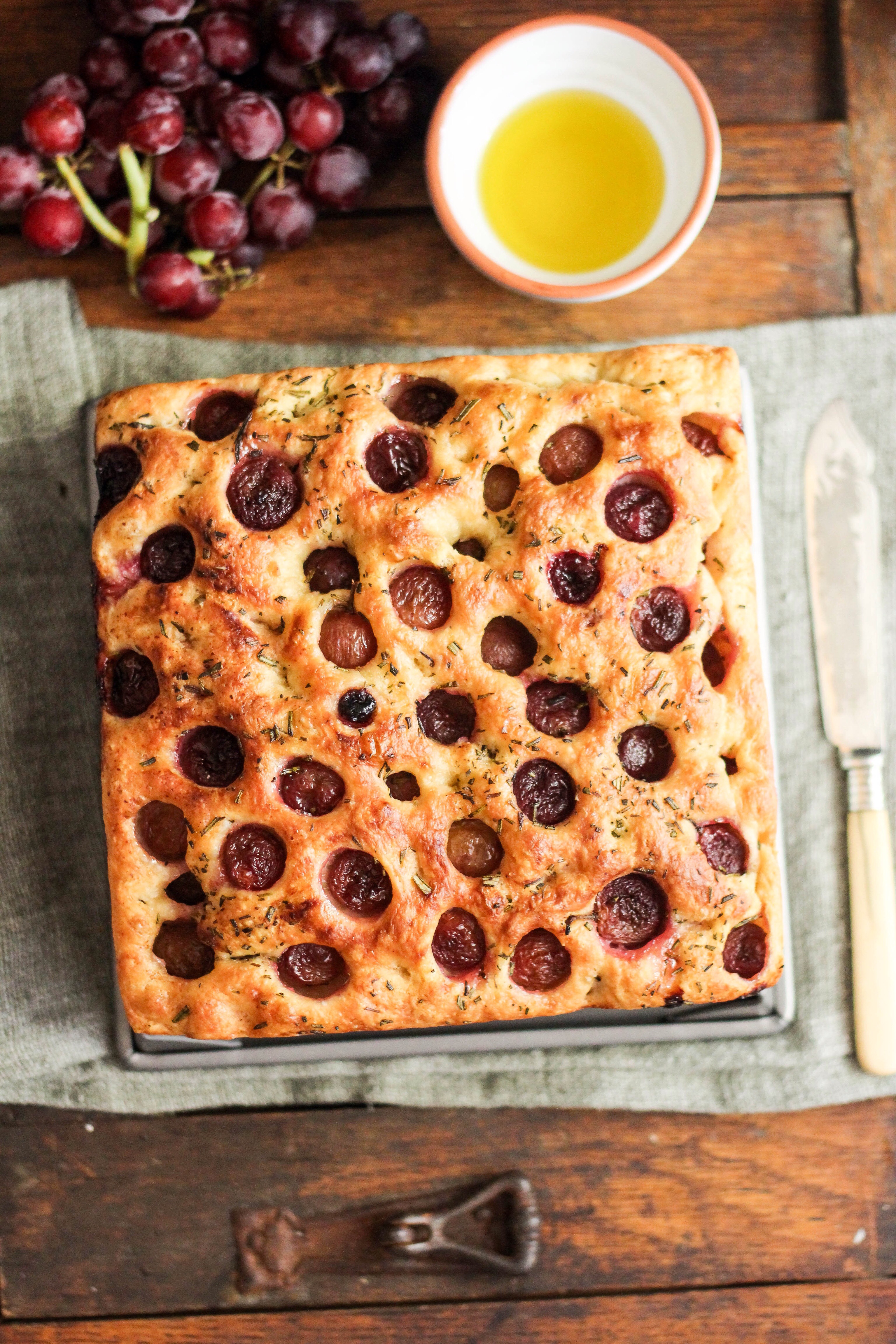
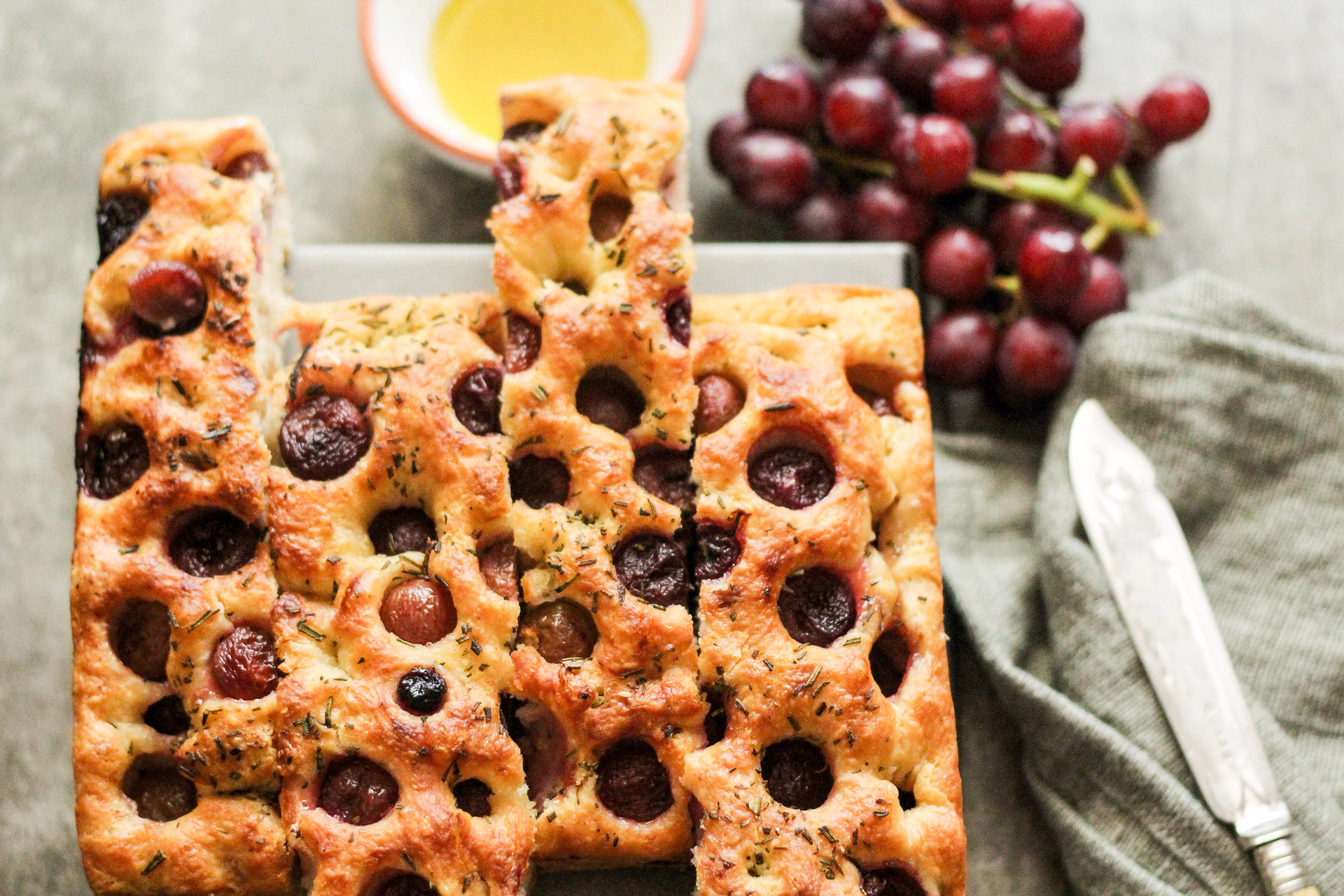
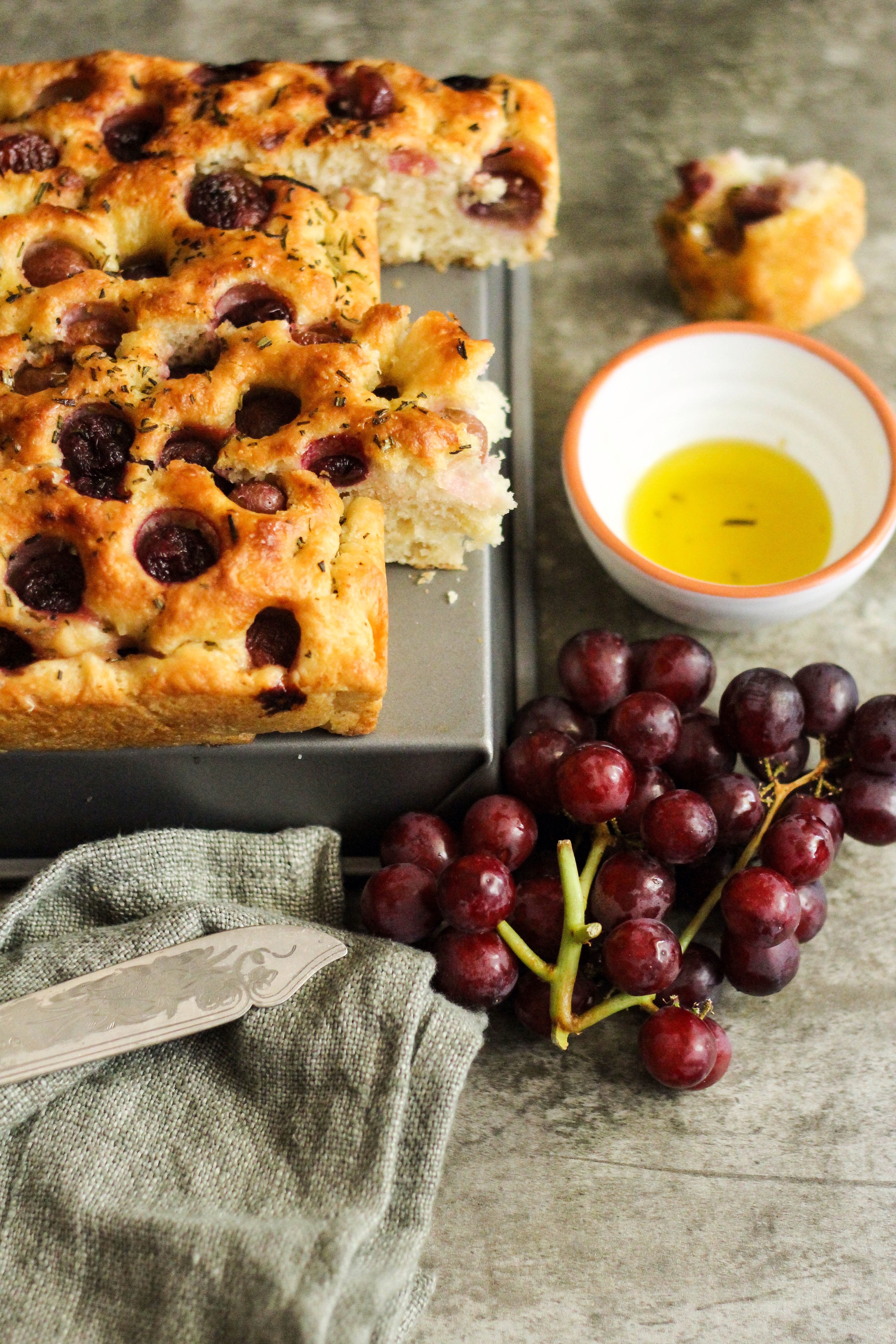
(Cue the Oprah voice) I Love Bread! and thank god I am not gluten intolerant. I cannot imagine my life, I cannot imagine life in general without the sustenance which is bread. So as an ode to my great love of bread, I recreated a recipe adapted from BBC GoodFood , a no knead focaccia with an interesting twist.
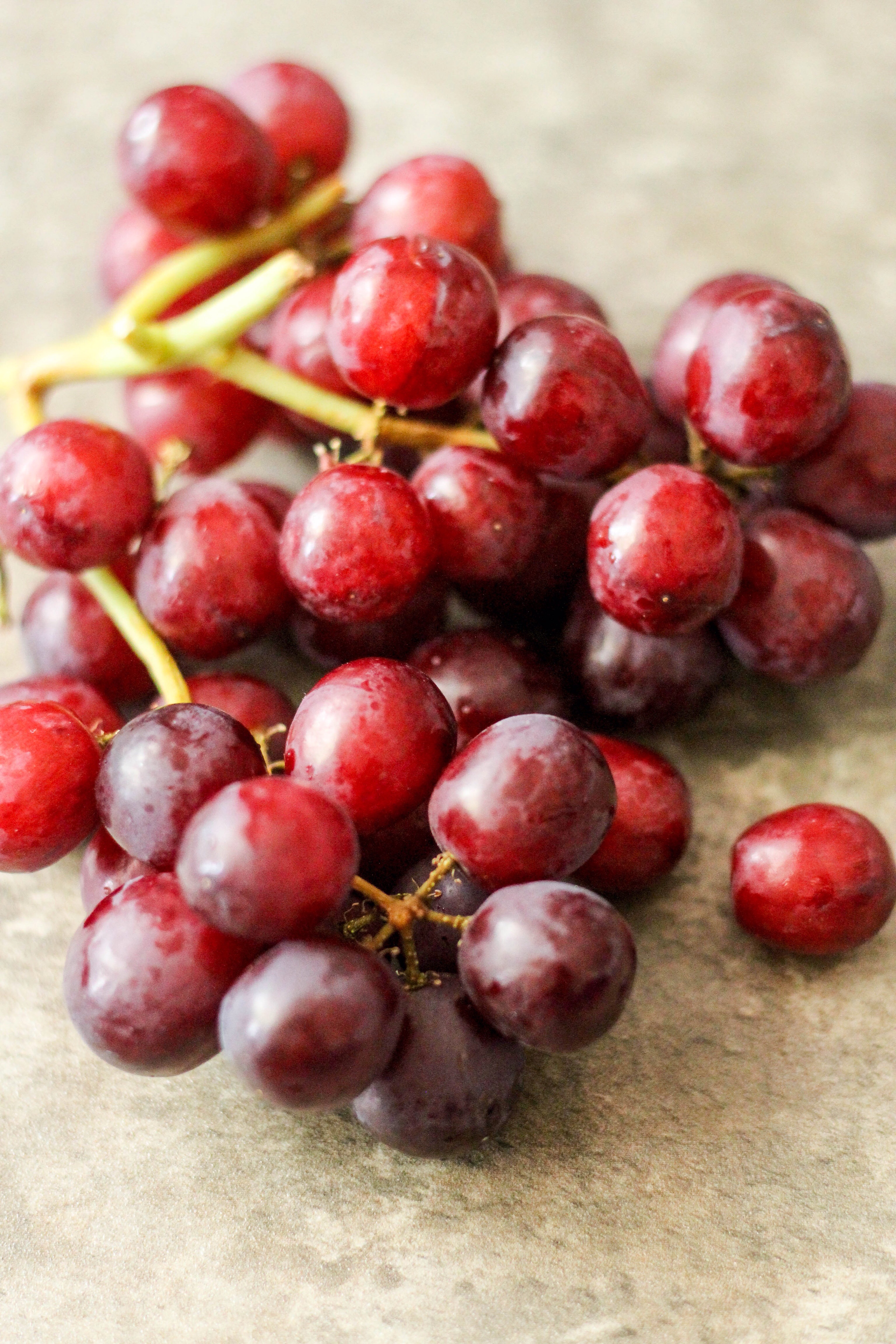
The photos were taken yesterday early noon as soon as the bread came out of the oven. I started making the dough Monday evening already to ensure successful proving. The red grapes were really sweet, strangely enough not only did they look like cherries but they had the same sort of sweet taste too. These grapes are great for snacking without all the guilt of crisps or sweets. I’m a notorious snacker and I’m trying to make a real effort to snack healthier these days, more for health reasons than anything else.
A tad off topic, this time of year Cape Town gets very busy, the craziness lasts till mid-end of January, I do love that fact that people continue to visit our unique country and city. There are many times I feel incredibly privileged to live around such beauty and authenticity. The crazy traffic on the roads and in the shopping centres is something you learn to tolerate and avoid if you’re lucky, but there’s no place I’d rather be this time of year, than right here in my home city.
Dominique x
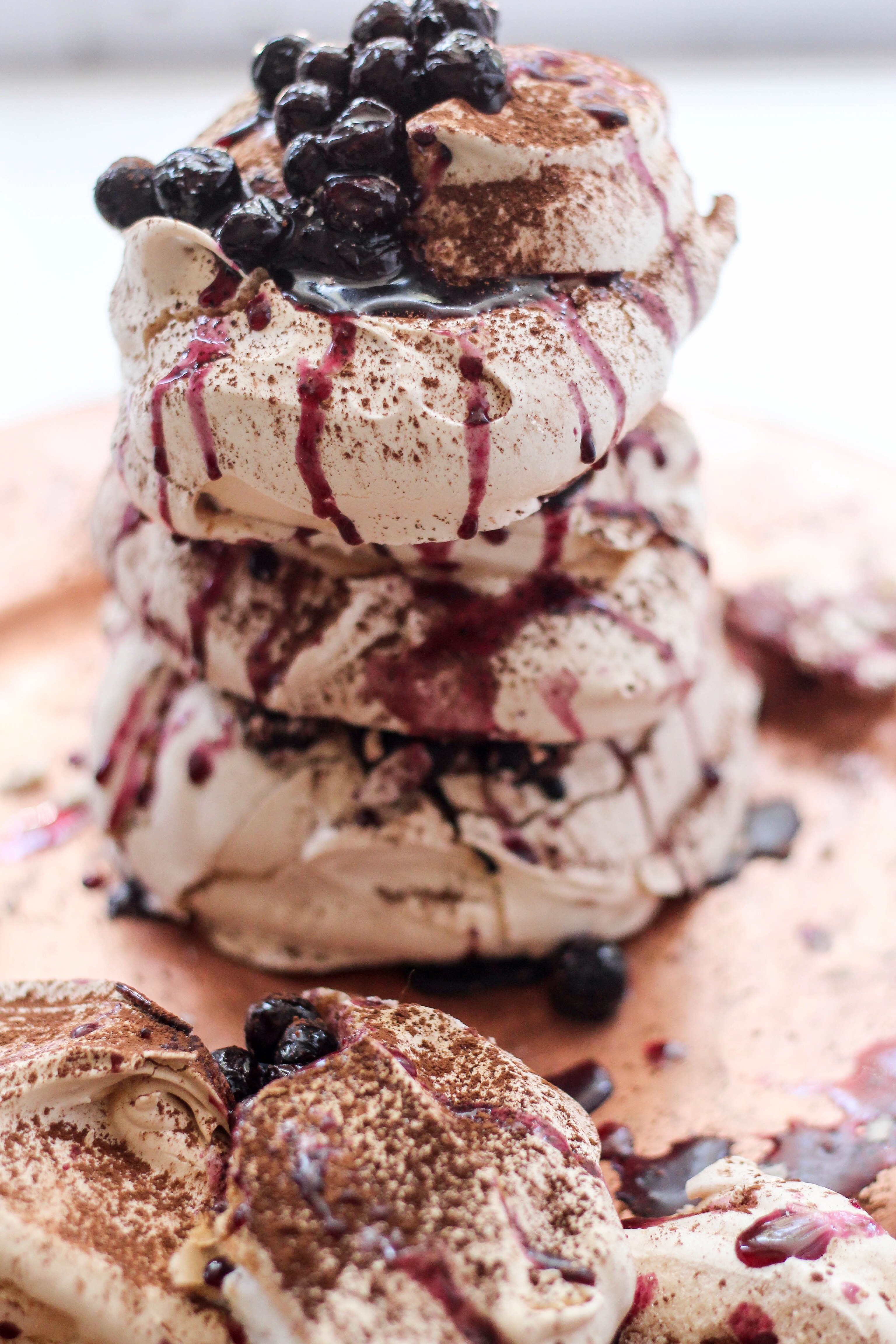
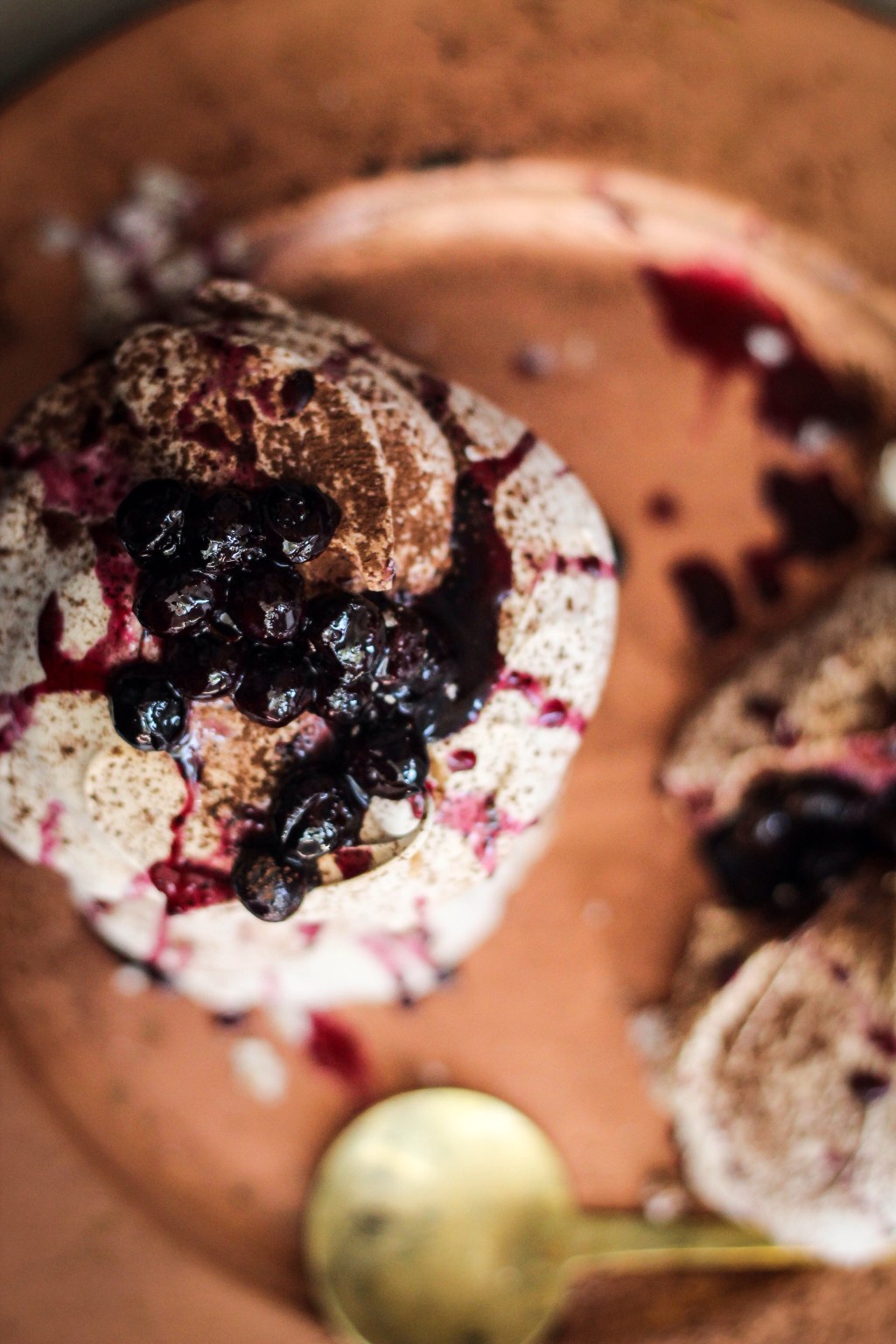
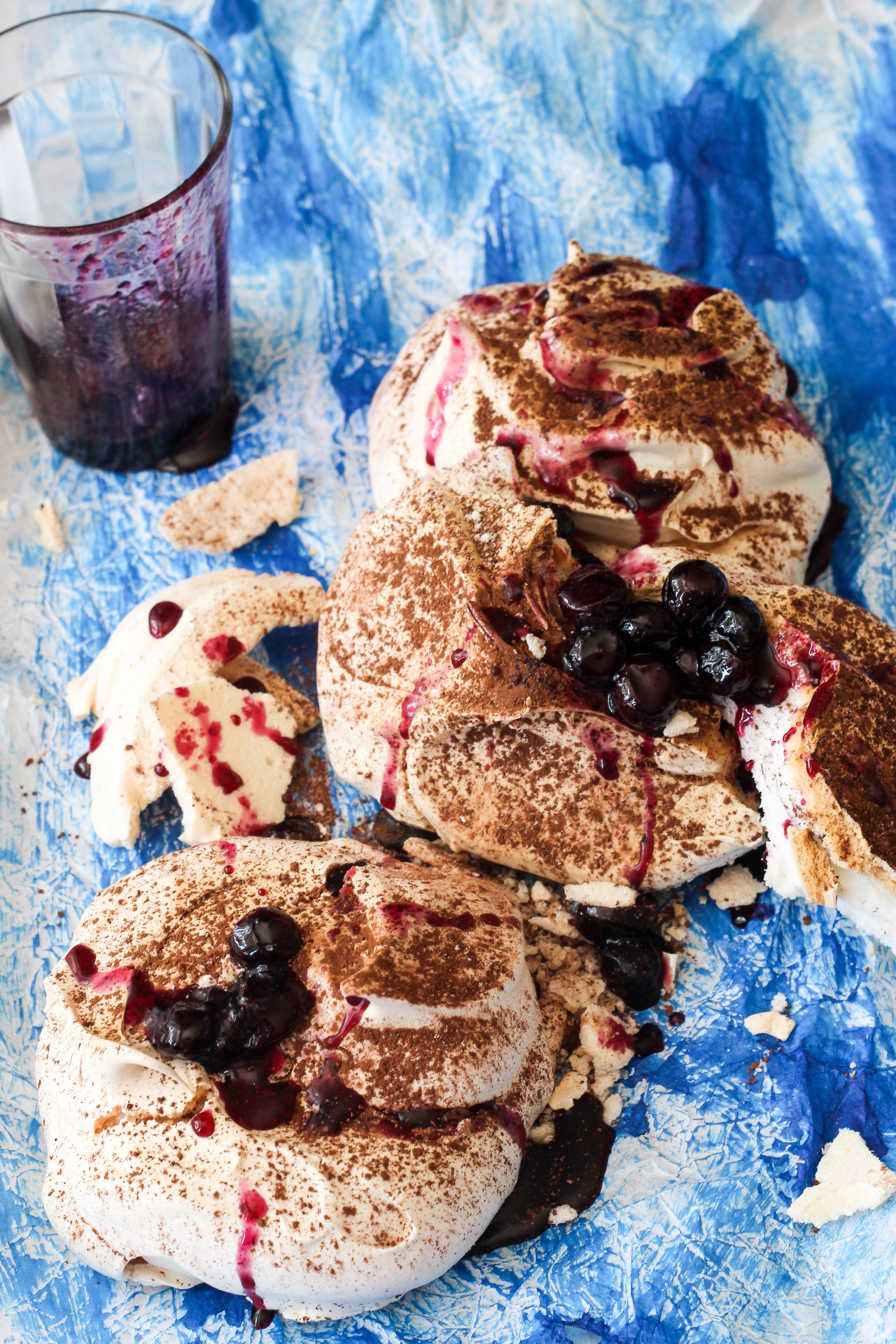
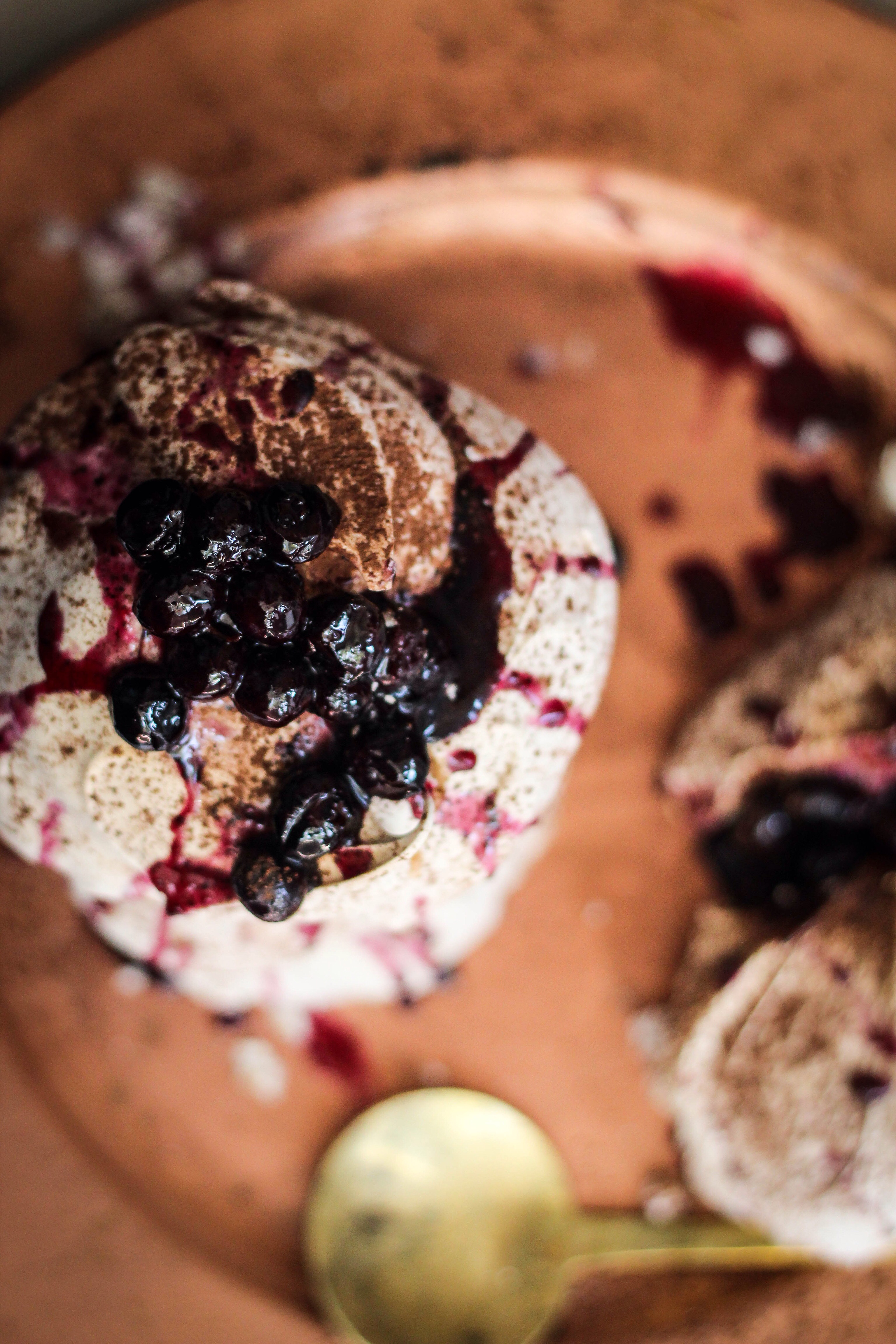
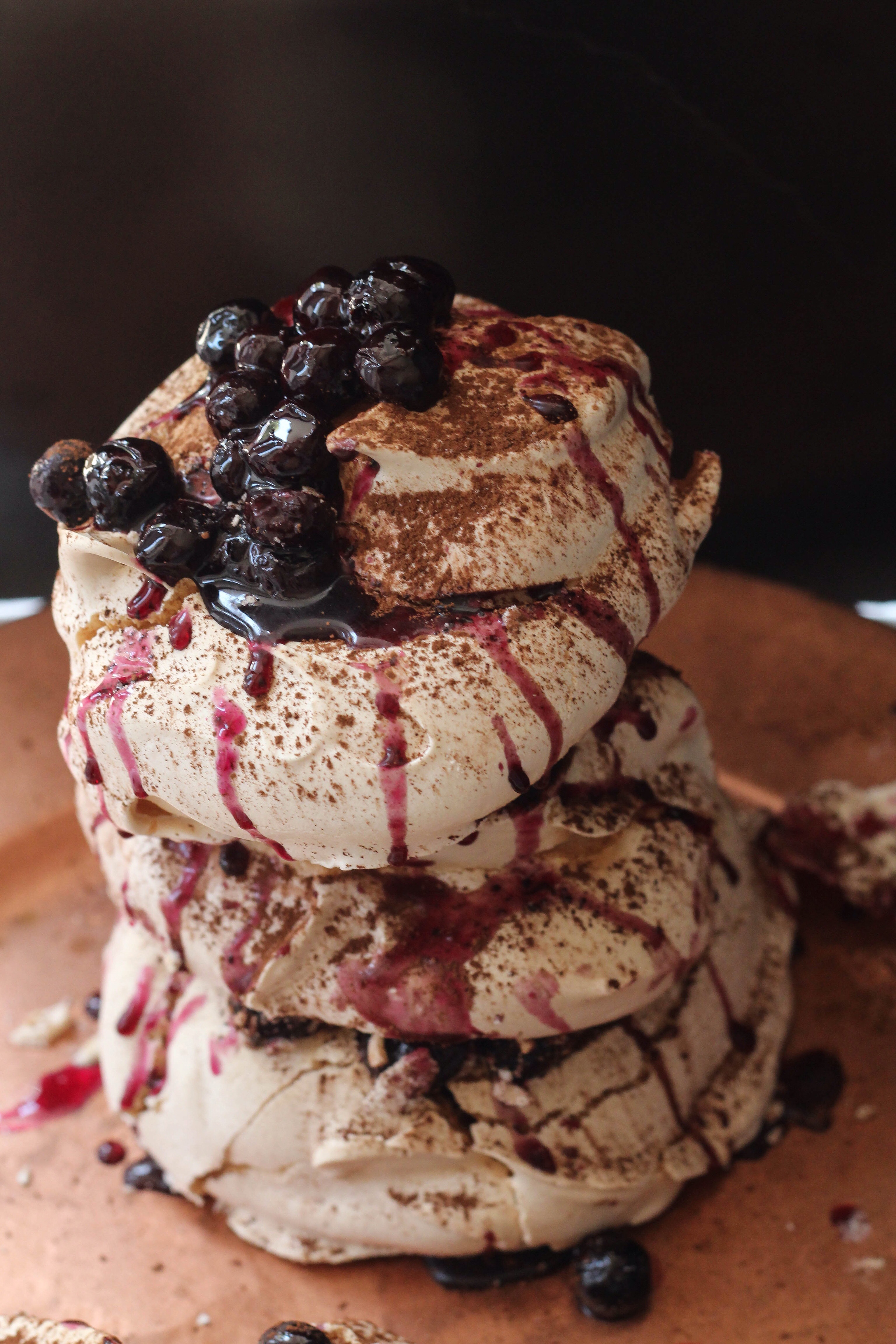
Pavlovas are without doubt one of my favourite desserts! I’ve always found them quite daunting and intimidating to make, until yesterday I took a leap of faith and tried out a recipe from Donna Hay,that leap of faith and trust in a legend’s recipe truly paid off! I’m slowly getting into the festive season spirit, and what better way to start it off then with a festive pav! I added a little something extra(as always) I had a punnet of Blueberries sitting on my fridge shelf about to go off, to accompany and top the Pavlovas I made a quick blueberry compote using castor sugar to equal parts of water(a few tablespoons until it just about covers the blueberries)
Okay, time to let the cat out of the bag…remember that piece of news I’ve been teasing you all about? So, last week with the release of the December issue of the Food&Home Magazine, I was chosen and featured in this issue as their ‘Blogger of the month’! Exciting right?! 🙂 I feel incredibly honoured and so grateful to be chosen by Food&Home Magazine, check out my Instagram feed for the photo of the feature. If you’re in South Africa head out to get your copy of the issue, not only to read the feature, but there are so many gift ideas and amazing recipes for entertaining this festive season!
I shot this series of photos this morning and took me a while to shoot and edit thereafter, feeling like a train hit me, down with the common cold. So, to cheer myself up, I experimented with different backgrounds, aperture settings and light exposure, yes these are things that cheer me up! The above photo with blue backdrop, I crinkled up some tissue paper and painted it with water based paint to get that effect. I can never get enough of backdrops and backgrounds, I’ve recently noticed that there are online stores in the United Kingdom and Russia that make and sell backdrops for food photography. There are some incredibly beautiful backdrops at both stores, all of which are rather expensive if you have to include shipping costs too! I would love to make my own backdrops using stone and wood, but have no idea where to start…
Do you have any backdrops you love or know how to make? Share in the comments section.
I’ve recently started to broaden my food magazine perusing to international territory, reading online is one thing but I’m a sucker for good old paging through an actual book/magazine. Yes, I know not very Eco-friendly, but I’m tradionalist at heart! Sadly, we don’t have much of a wide selection of food magazines here in South Africa, so because I scour Delicious Australia’s site on a weekly basis, I spotted the UK version and rushed home to immediately page through it( I do love the smell of fresh magazines) I am quite proud of our food mag scene in S.A but there are so many fresh ideas in the international ones I am so excited to try out all before reading the entire magazine, my excitement seems to get the better of me sometimes…
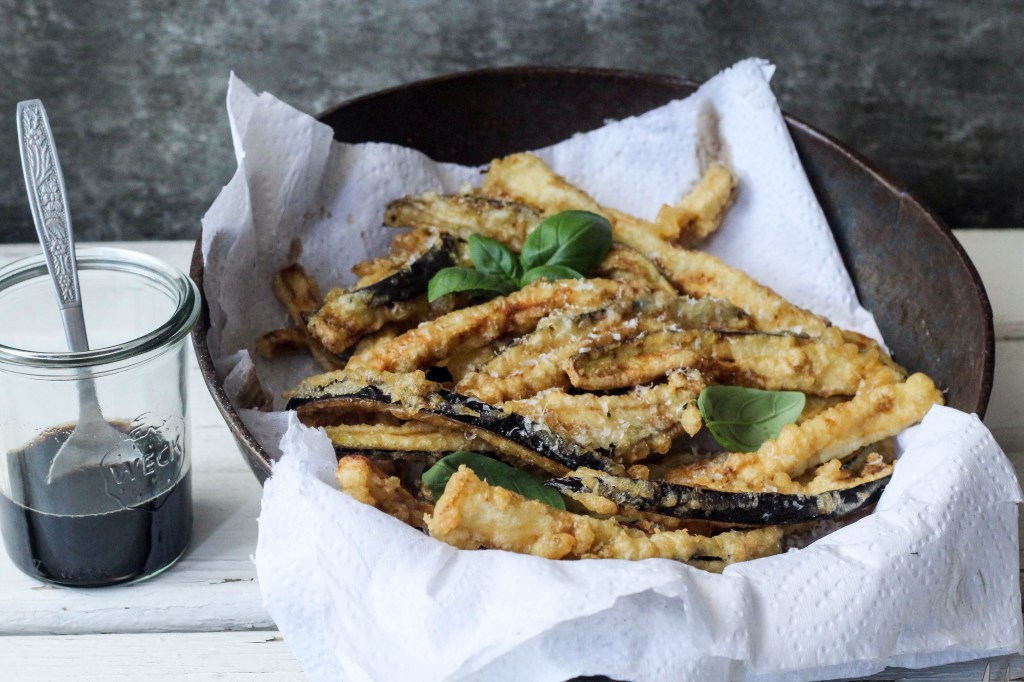
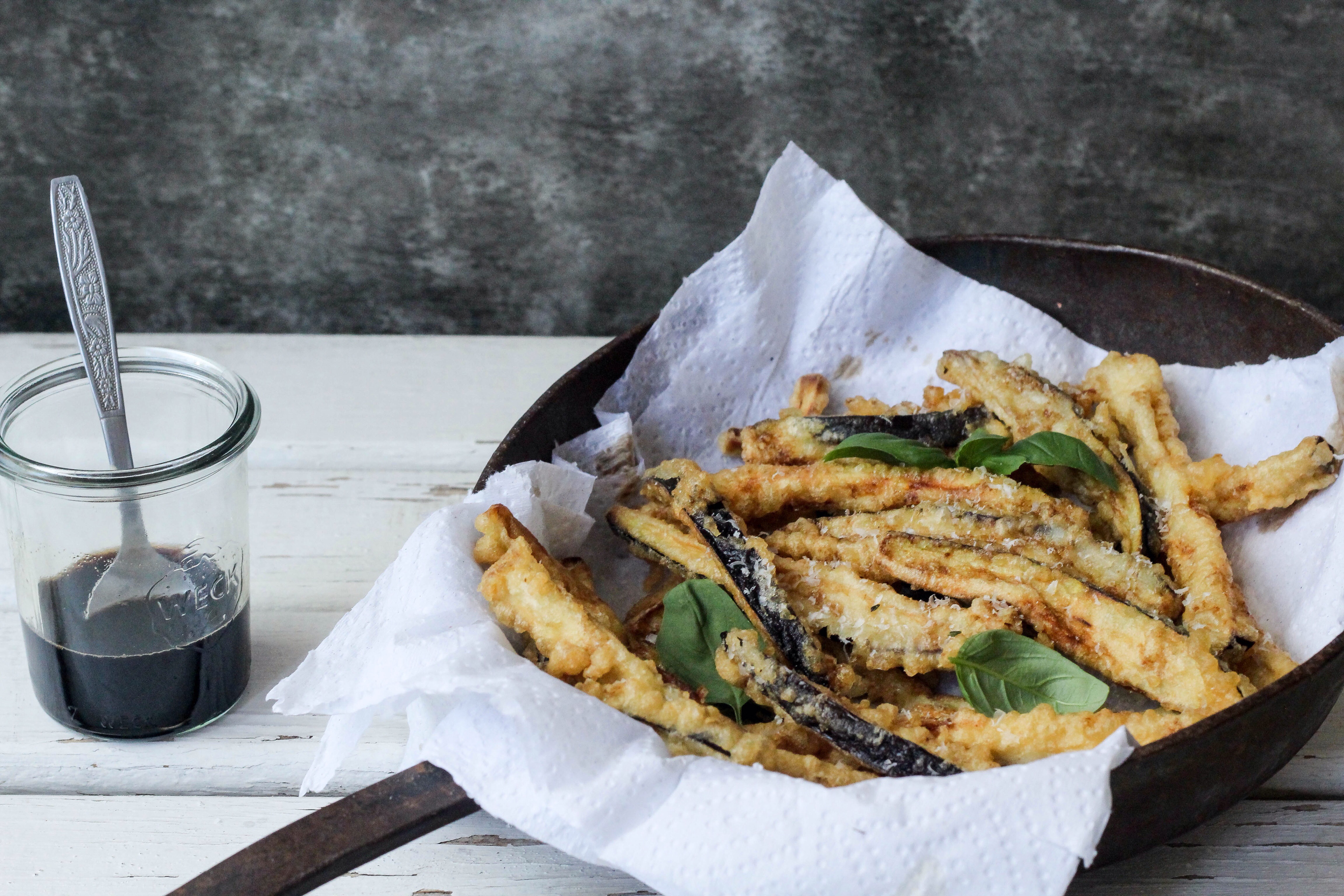
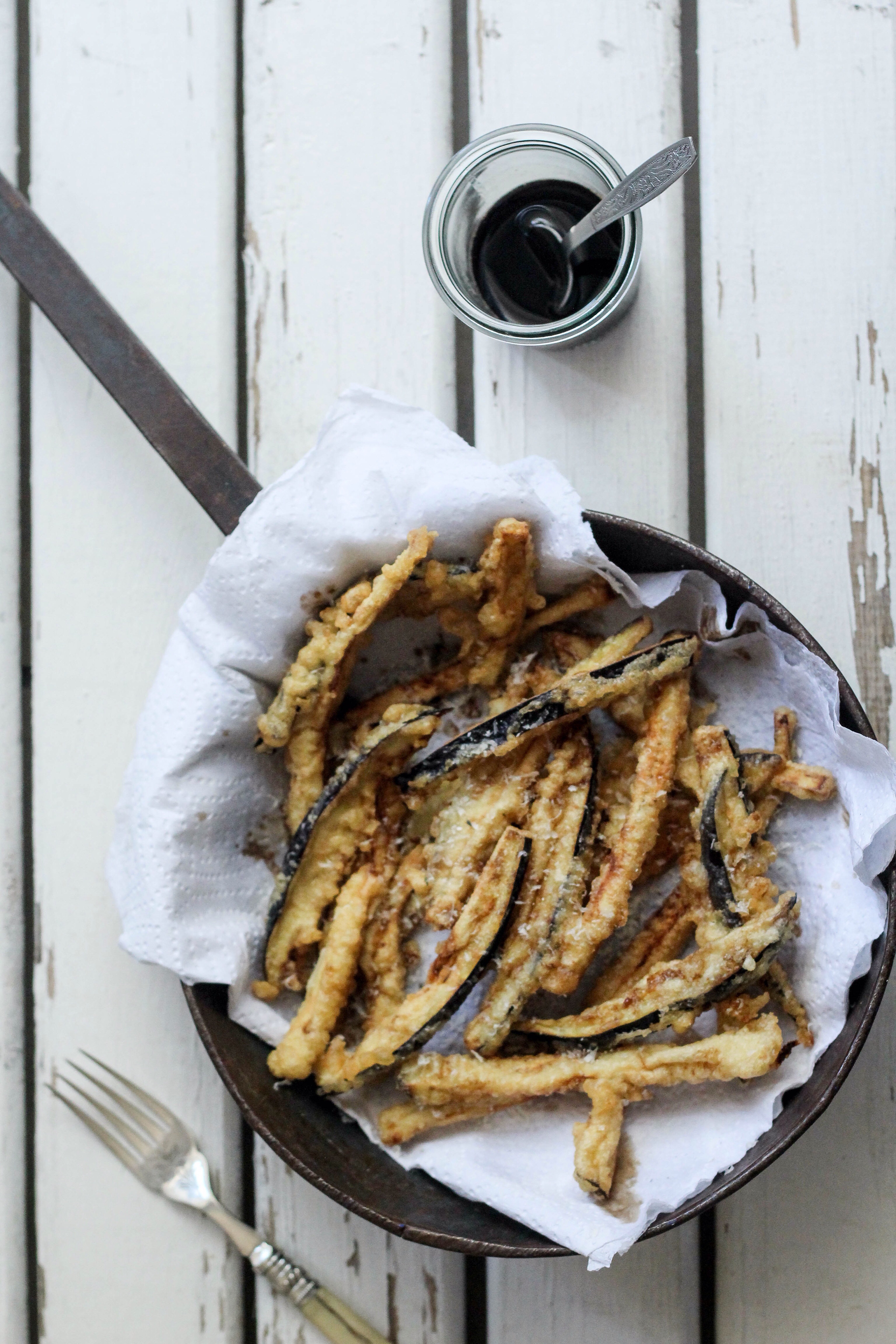
This recipe comes straight out of the September issue of Delicious UK, chosen and submitted by a reader, she described the fries as ‘light, crisp, but not greasy’.
Ingredients:
3 medium aubergines/eggplants sliced into batons
1Tbsp of Salt
1 medium free-range egg
250ml iced water
90g plain flour
1/2 tsp baking powder
1 litre sunflower/canola oil for deep frying
Balsamic glaze to drizzle
Method:
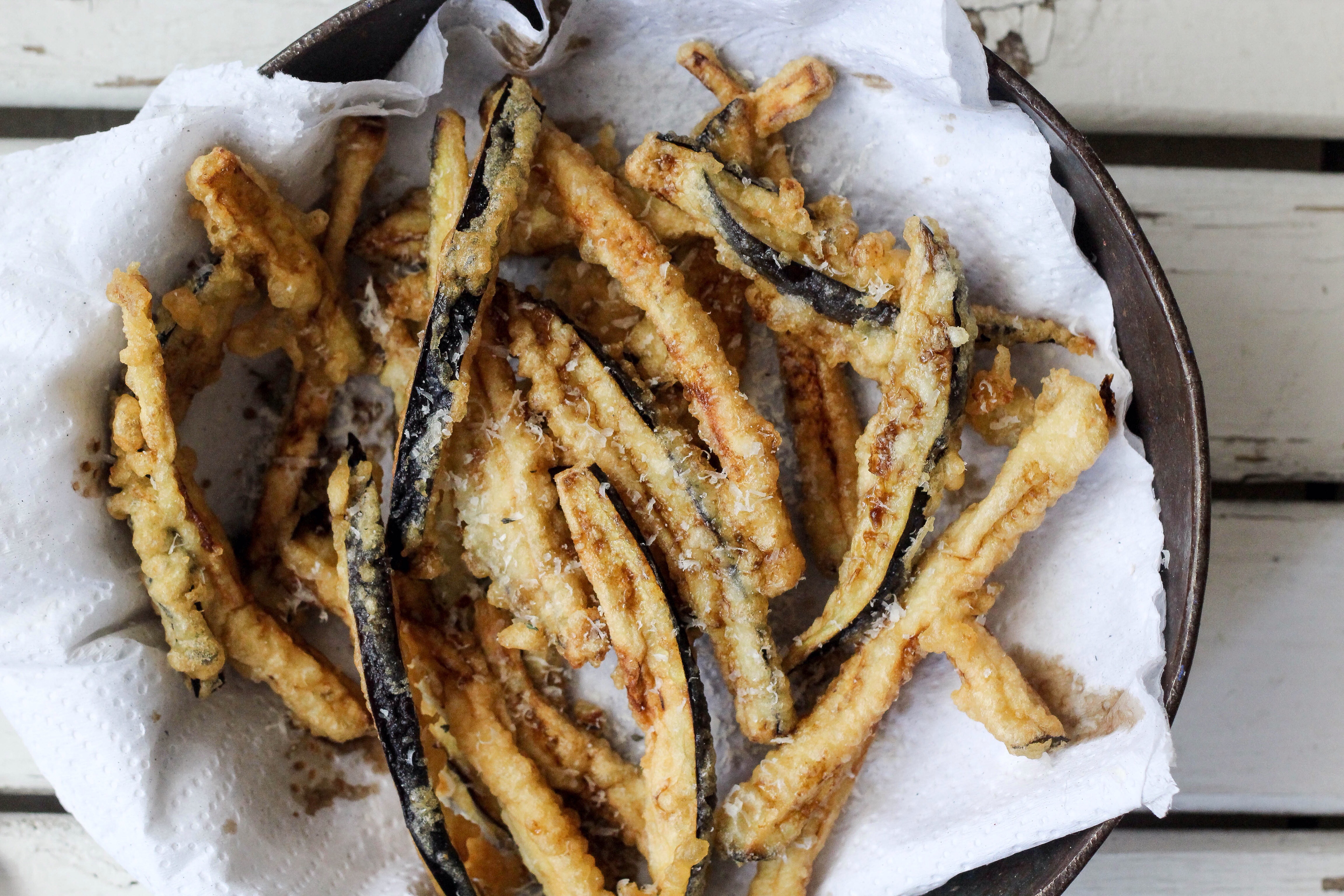
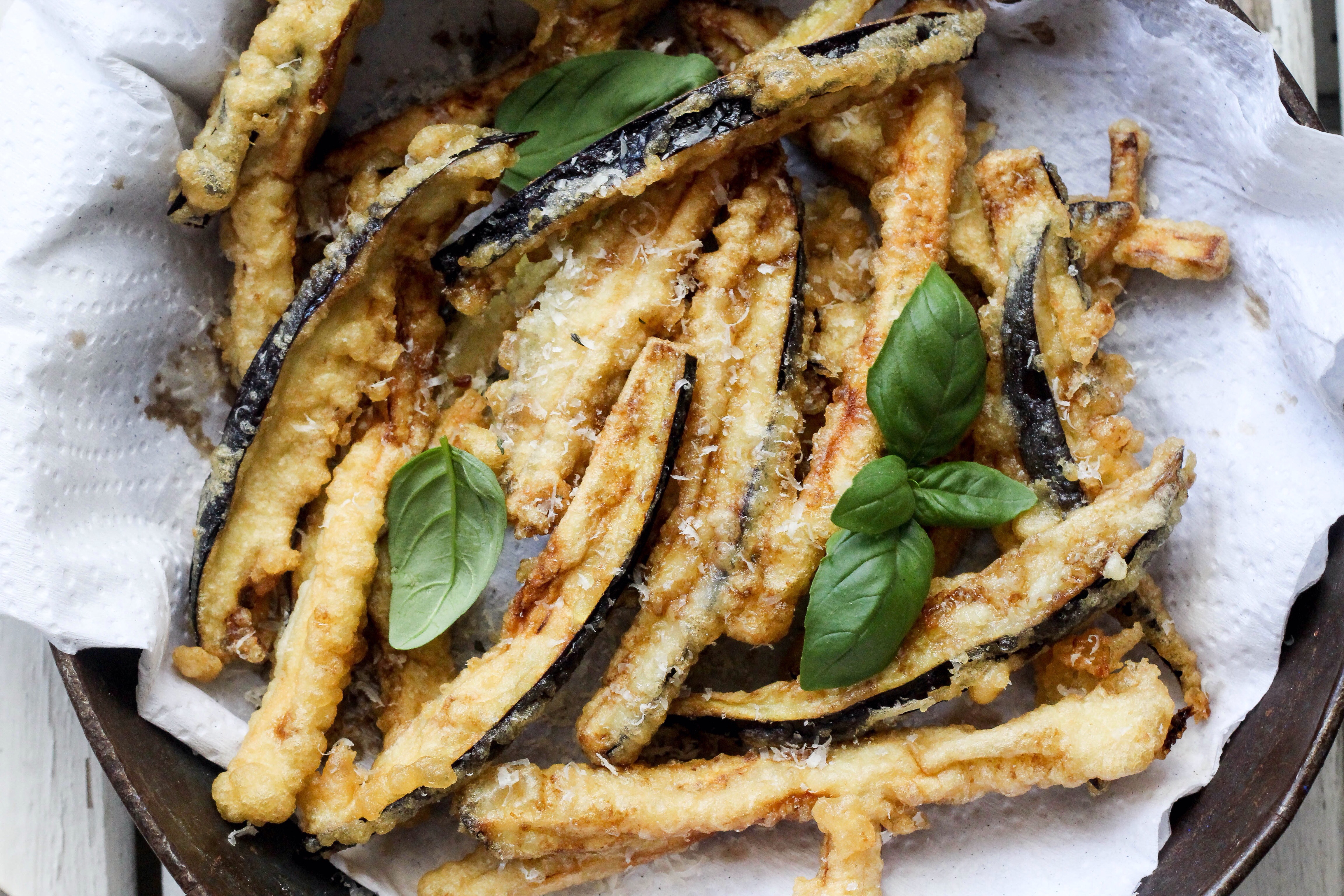
Place aubergines batons in a colander and sprinkle over salt.set over a bowl, then place in a fridge for 1-2 hours so the aubergines can release some of their juices and firm up. When ready, lay out on a kitchen towel/paper, and blot firmly and rub to remove excess salt, then set aside.For the batter, whisk the egg and iced water until frothy. Sift the flour and baking powder into a mixing bowl with a pinch of salt, then slowly add the egg mixture in a thin stream into the flour, whisking to combine. Immediately stop whisking when combined.Heat the oil in a deep large pan, the oil should be approximately 180 degrees Celsius, reduce heat to keep at this temperature. In batches, dip the batons in the batter, and with a slotted spoon lift out to place gently in the oil(always away from you) and fry for 4-5 minutes until golden and crisp. Drain on kitchen paper. Serve with balsamic glaze, or like me, you can mix a little balsamic vinegar with honey and drizzle over the fries. As an extra special touch I finely grated Grana Padano Parmesan cheese over the fries, because why not, right?
These fries are life-changing, and such a great substitute to potato fries. The crunch on these fries are incredible, the flavour is that of a natural umami coupled with a sweet twist! I’m hooked! And definitely making these for when I have friends or family over.
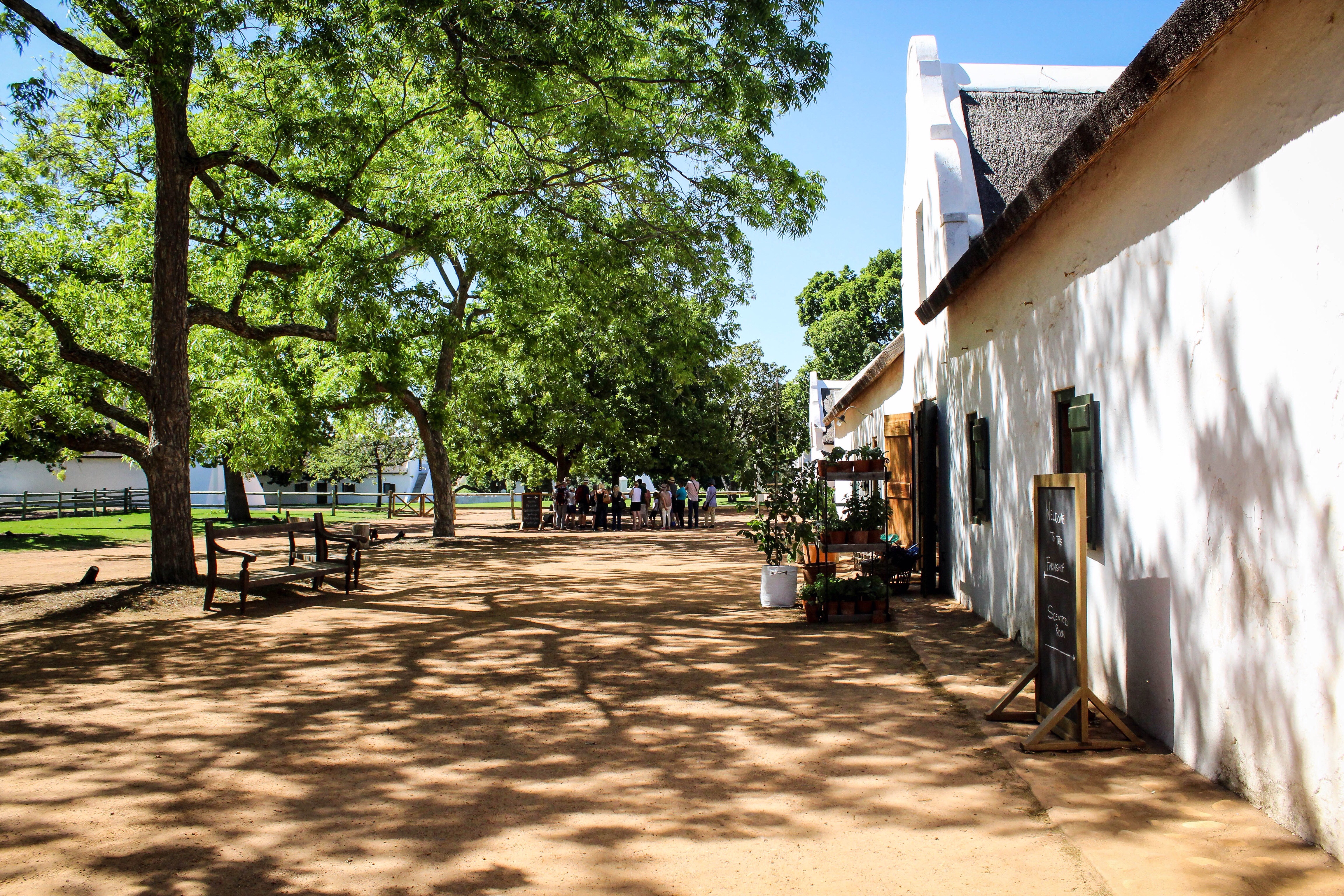
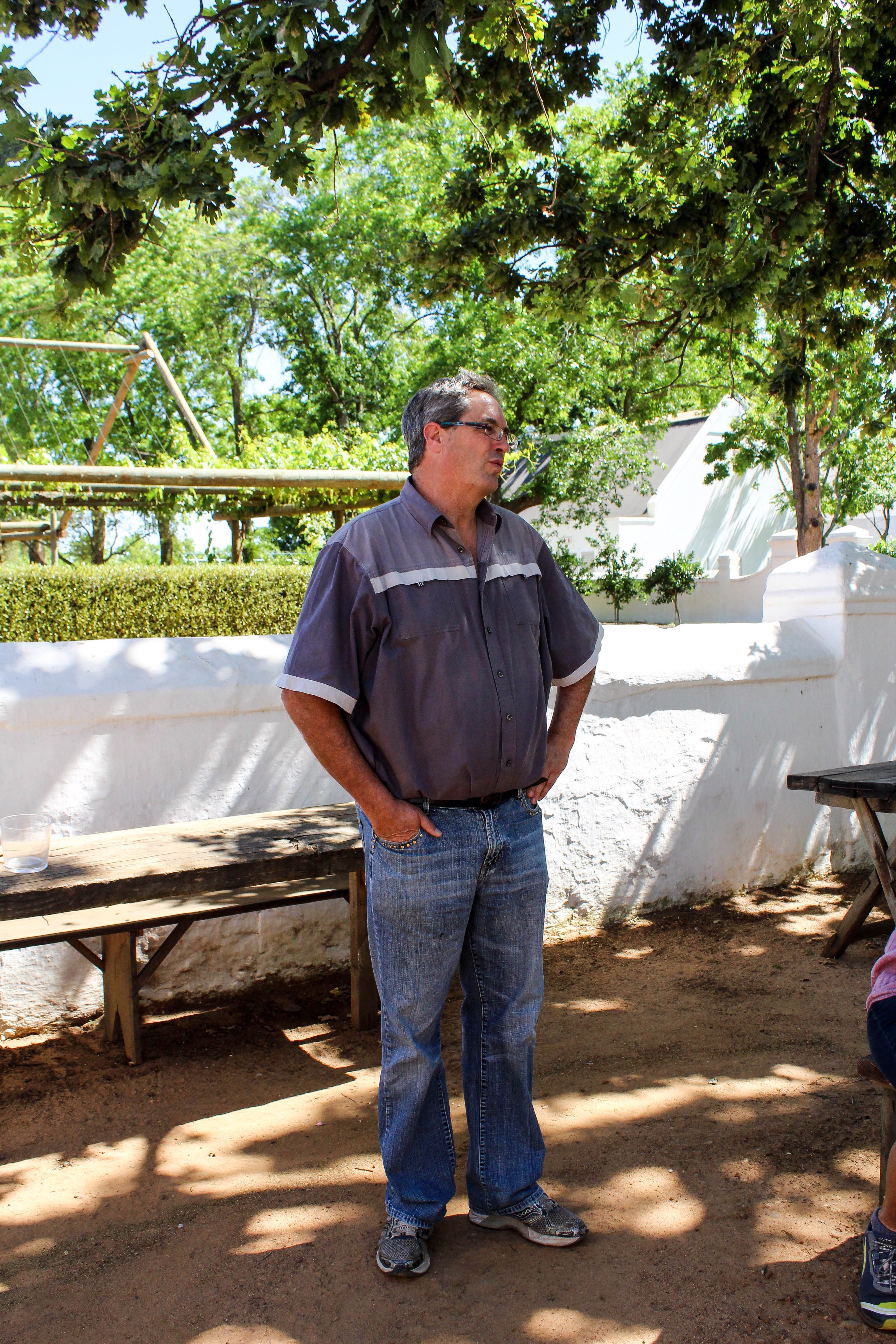
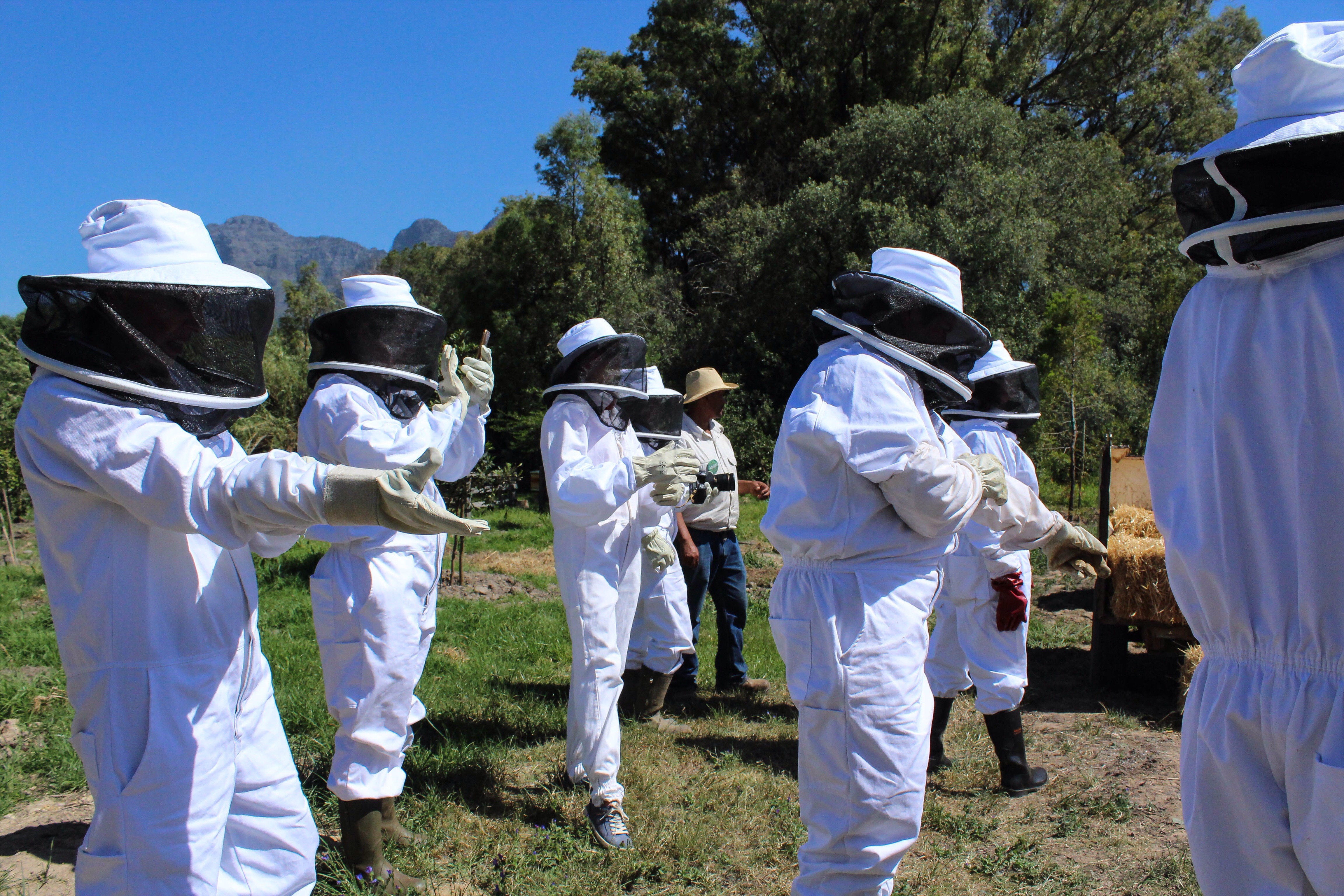
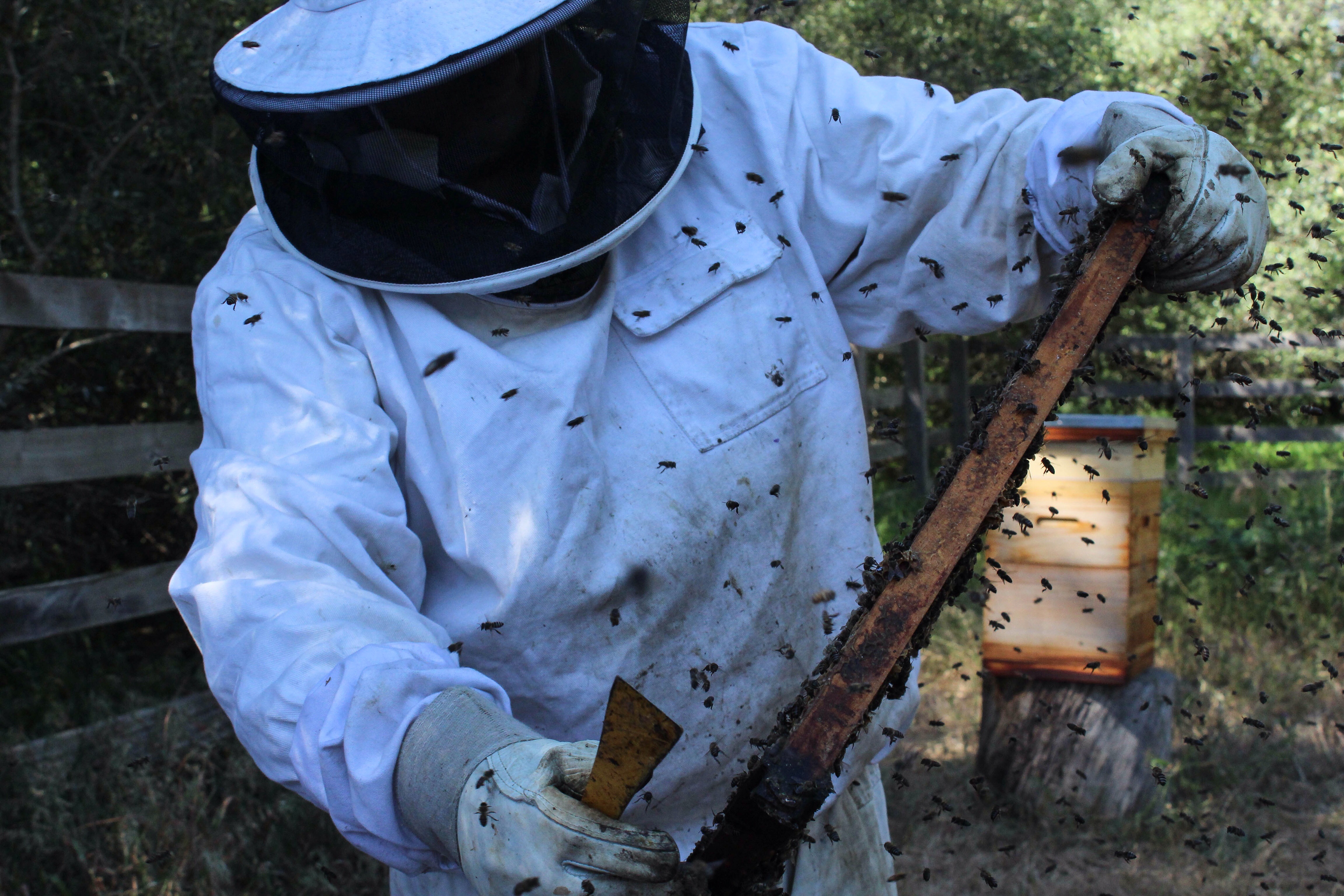
Did you know, the reason beekeepers overalls are white is that bees can’t see white? This is according to the renowned bee researcher at the Agricultural Research Council, Mike Allsopp. This is only but a few facts and wisdom that Mike generously imparted upon us. The Secret Life of Bees workshop was held at the picturesque farm, Babylonstoren in Simondium about 40 minutes outside of Cape Town. Apart from staying at their 5 star luxury farm hotel, Visitors can walk about in their lush and exotic gardens and thereafter have a rustic farm fresh lunch at the Greenhouse or if you’re looking for more of a trendier farm to table experience, Babel is the place to dine!
What was probably one of the hottest days of the year so far, the workshop started off with a walk through the gardens towards the farm loft where Q&A’s and a very insightful talk by Mike had us buzzing(excuse the pun)with insight and excitement. Here’s another fun fact, honey is a 50/50 mixture of glucose and fructose and only adult bees feed on honey. Under usual circumstances and normal temperatures, the workshop starts off with attendees going to the apiary first, but at 32 degree weather at 11:00 am it was advisable we visit the on-site apiary last.
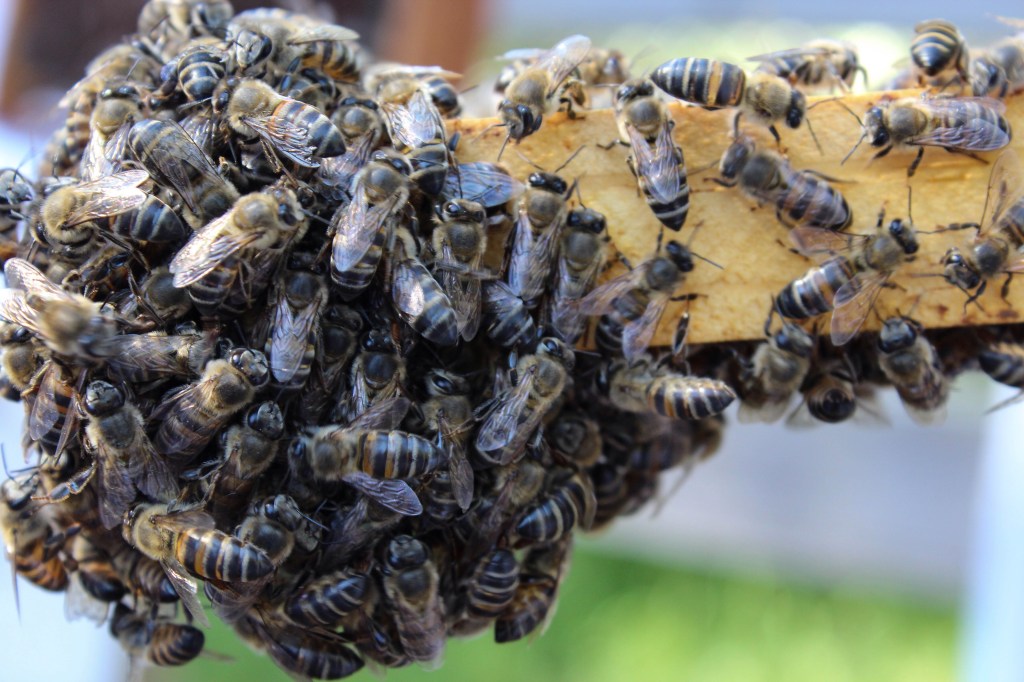
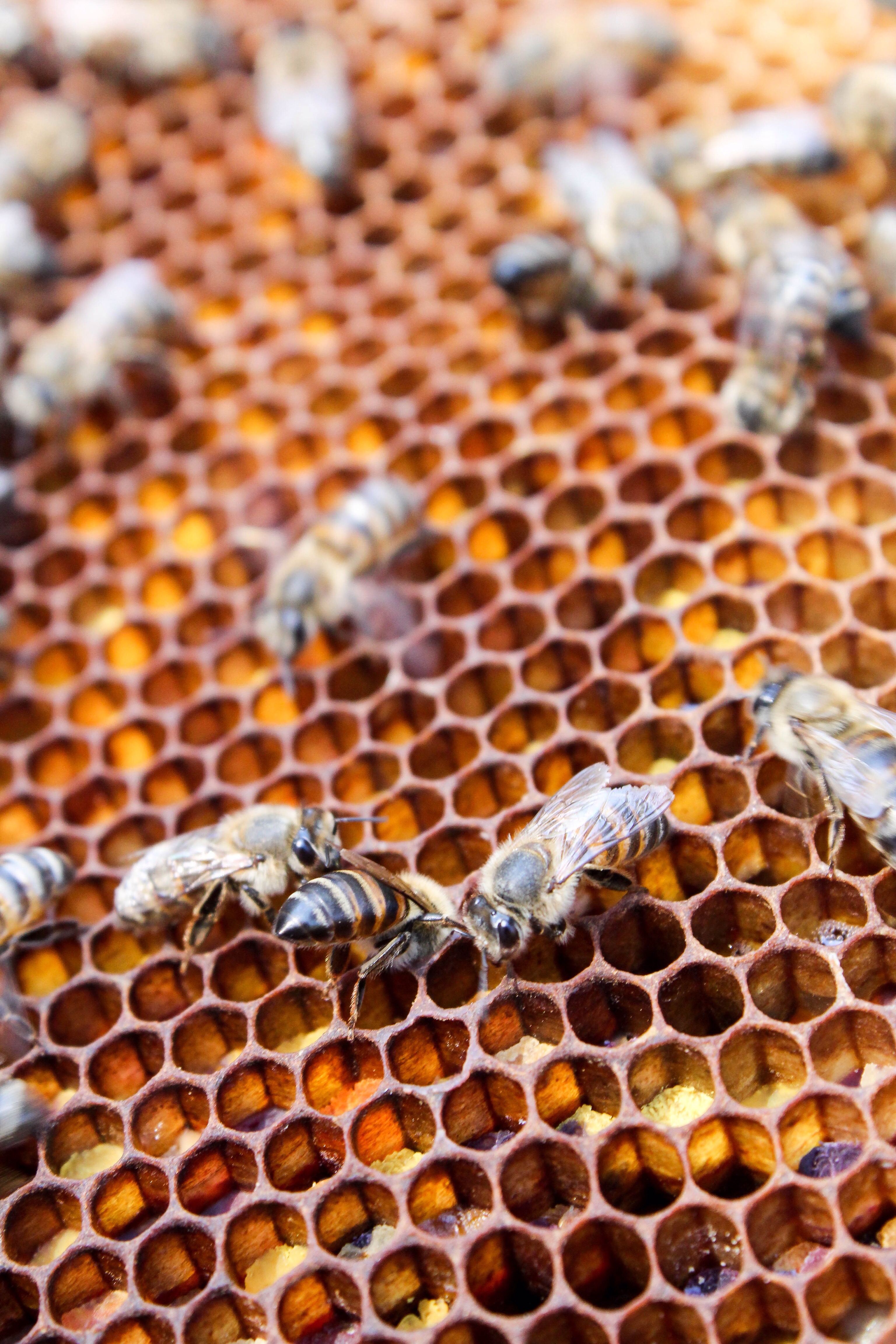
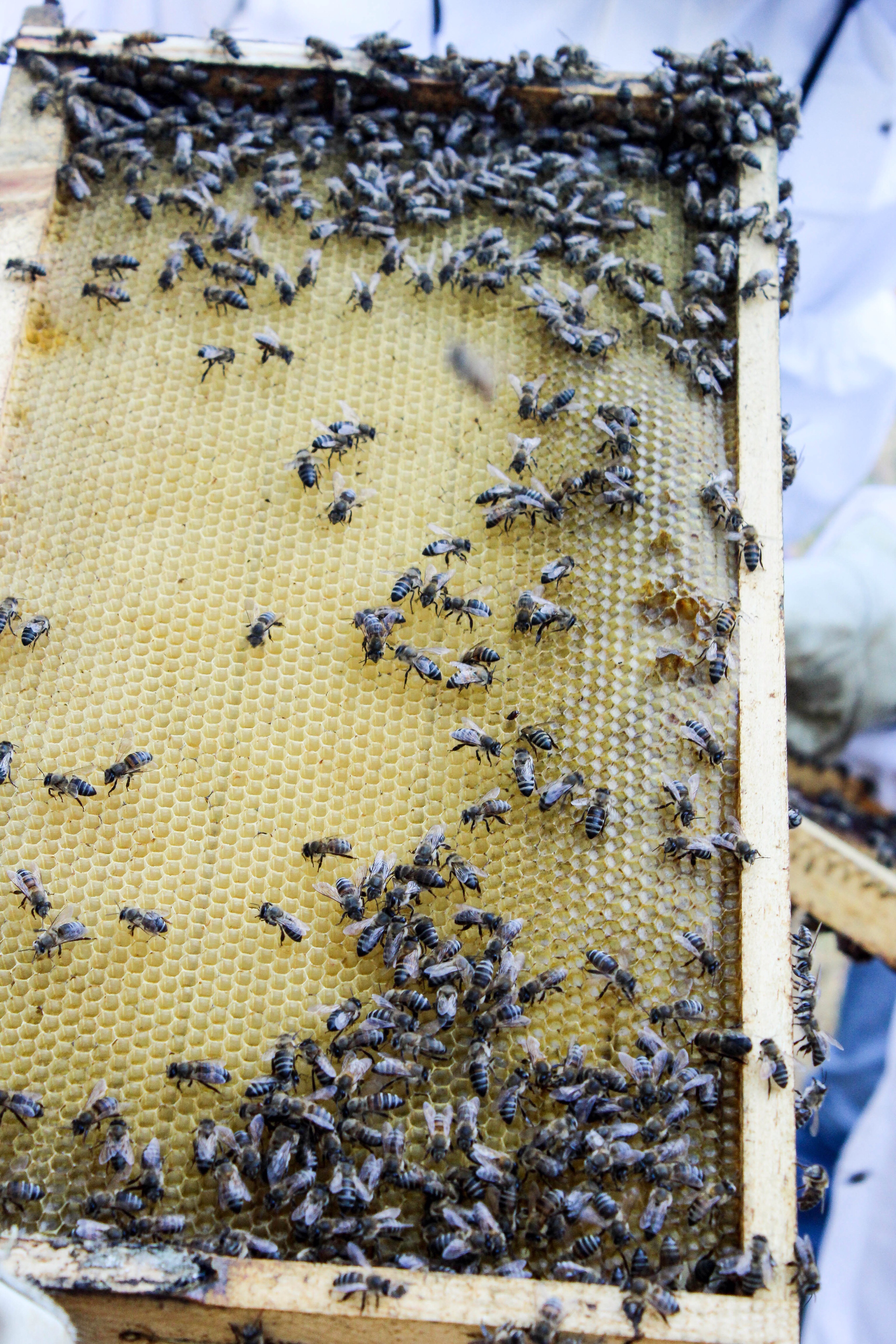
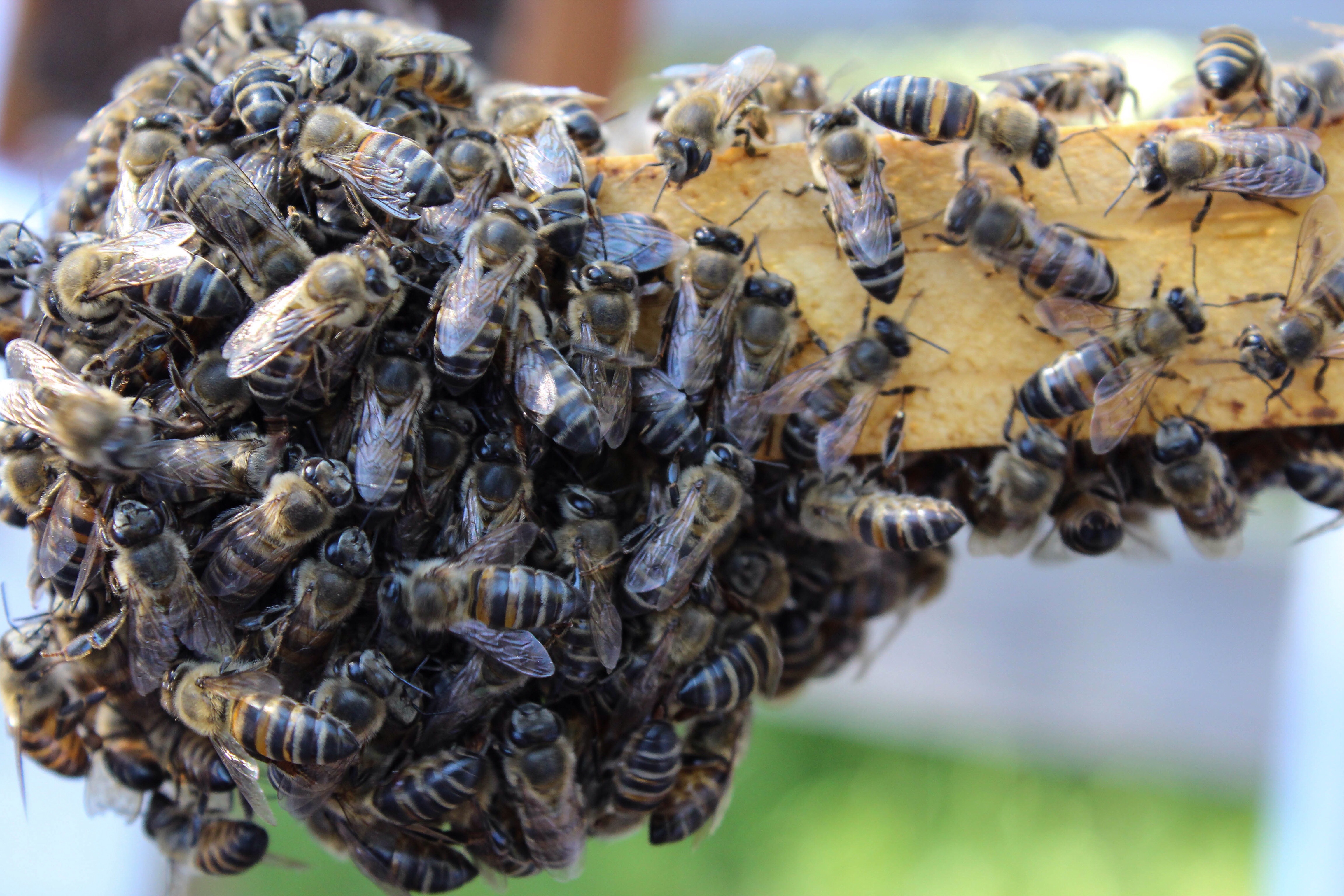
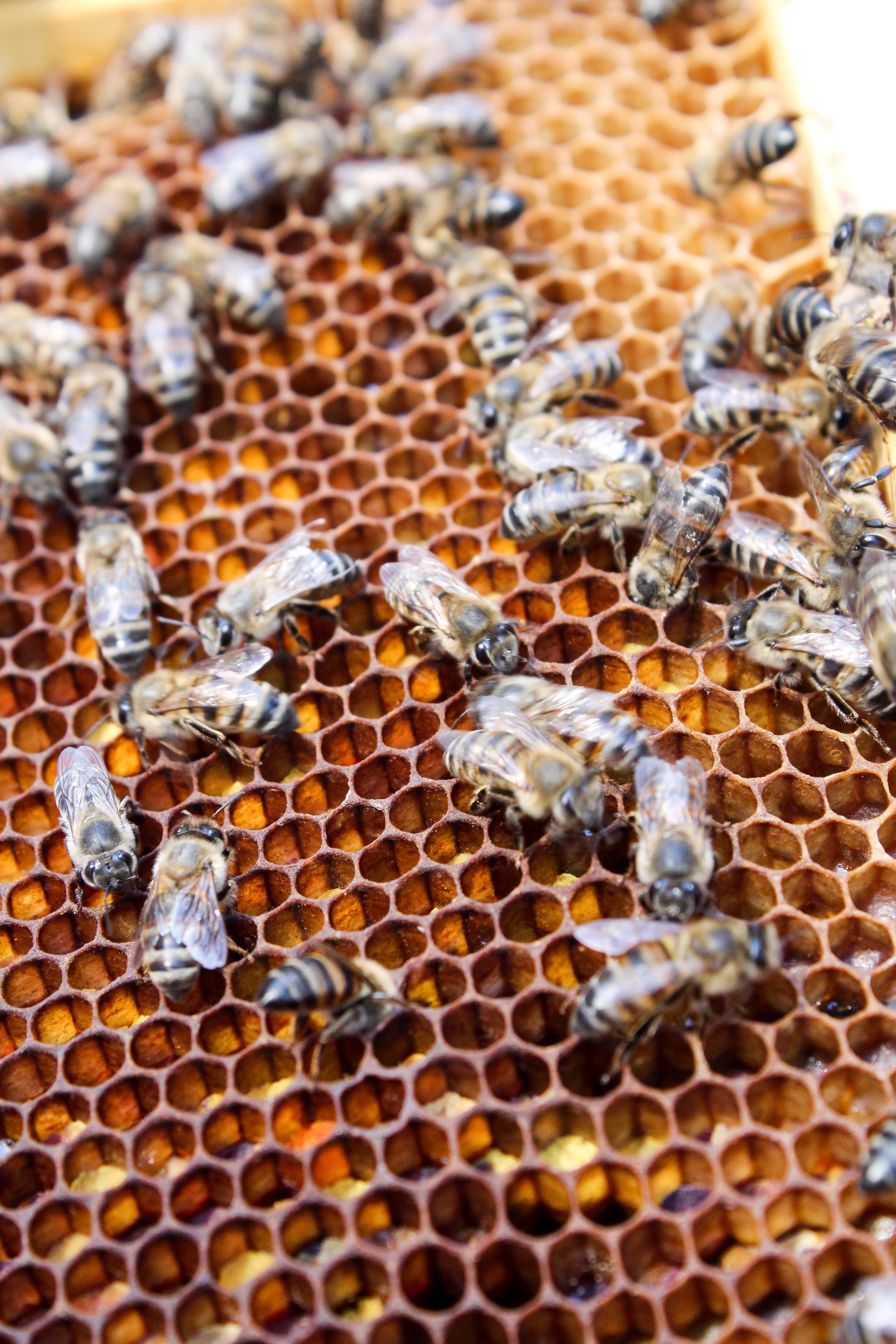
There are a few beekeeping methods, such as the Top bar beekeeping,the non-movable frame colonies and the extraction beekeeping methods.The most recommended is the extraction method which requires re-use of frames and the addition of honey chambers to increase production. There are many types of extraction methods too, and the most widely used is Langstroth type of hives. One will notice that on most of the hives we see today, it is fitted with aluminium tops, this is to ensure insulation of temperature and to keep the hive and bees cool. At 37 degrees Celsius, the hive is at a normal temperature, anything above this is far too hot for the bees. The worker bees are all female and have a life expectancy of 20-45 days, the worker bees are responsible for all hive activities. The queen bees are also female, and in every colony exists only one queen. The queen bee starts mating at a precocious age of only 3-4 days old. How is a queen bee formed? Baby larvae is fed Royal jelly, which then develops into a queen bee. The incubation period for a queen bee is approximately 14 days, a normal worker bee, 18-21 days, and a drone cell 24 days. The mere purpose of a drone is to mate with a queen and thereafter immediately dies.
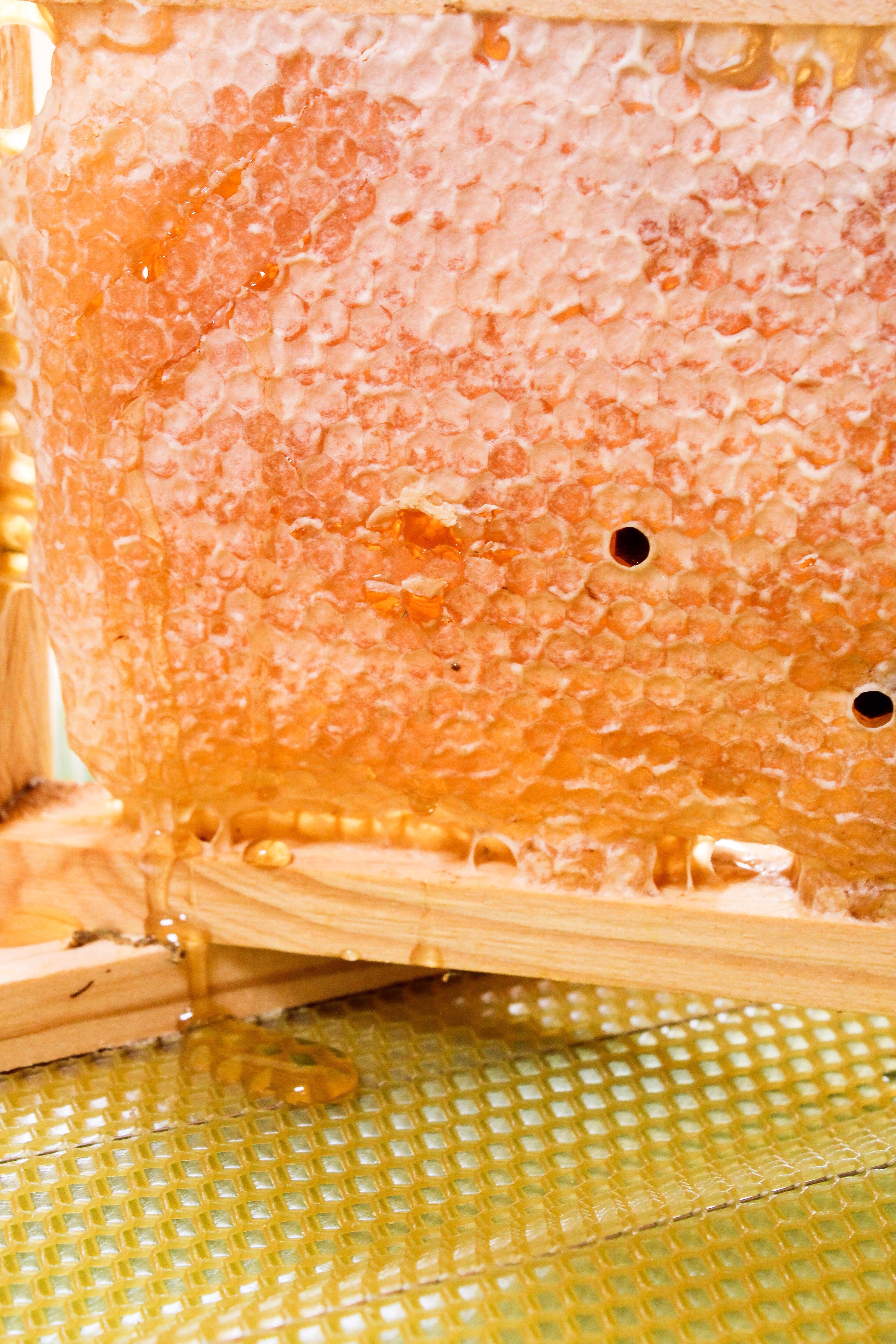
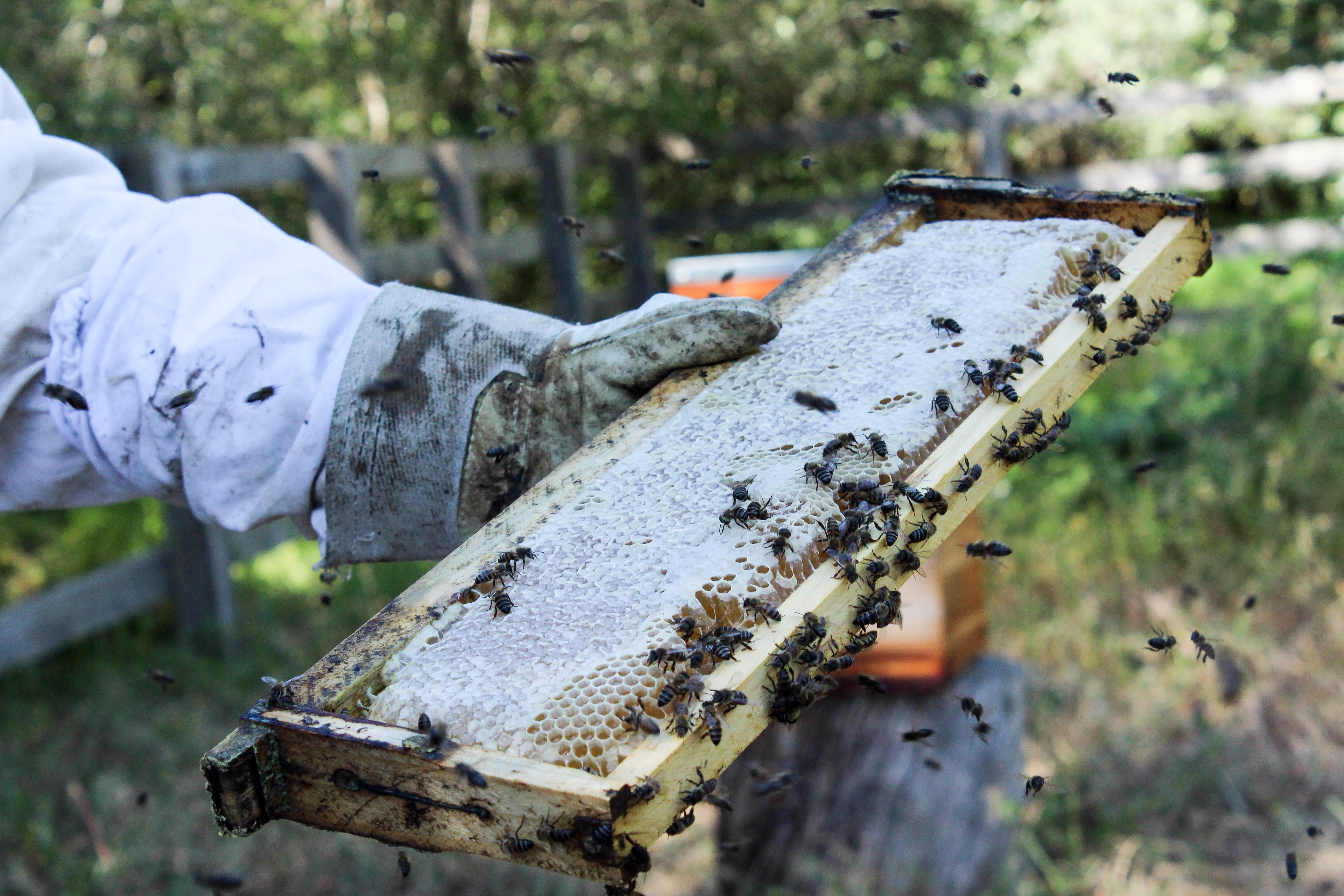
Honey is ripened nectar for the adult bees as said above, wax is synthesized by the bees and for every 8g of honey there is 1g of wax. Propolis, termed by Mike as ‘Bee Glue’ originates from plant resin and bees use it to stick to everything, close gaps and has antibiotic properties for the bees. However, there seems to be a common misconception according to Mike, that there is a trend specifically in health stores that it has tremendous health benefits to humans, this he says is false.
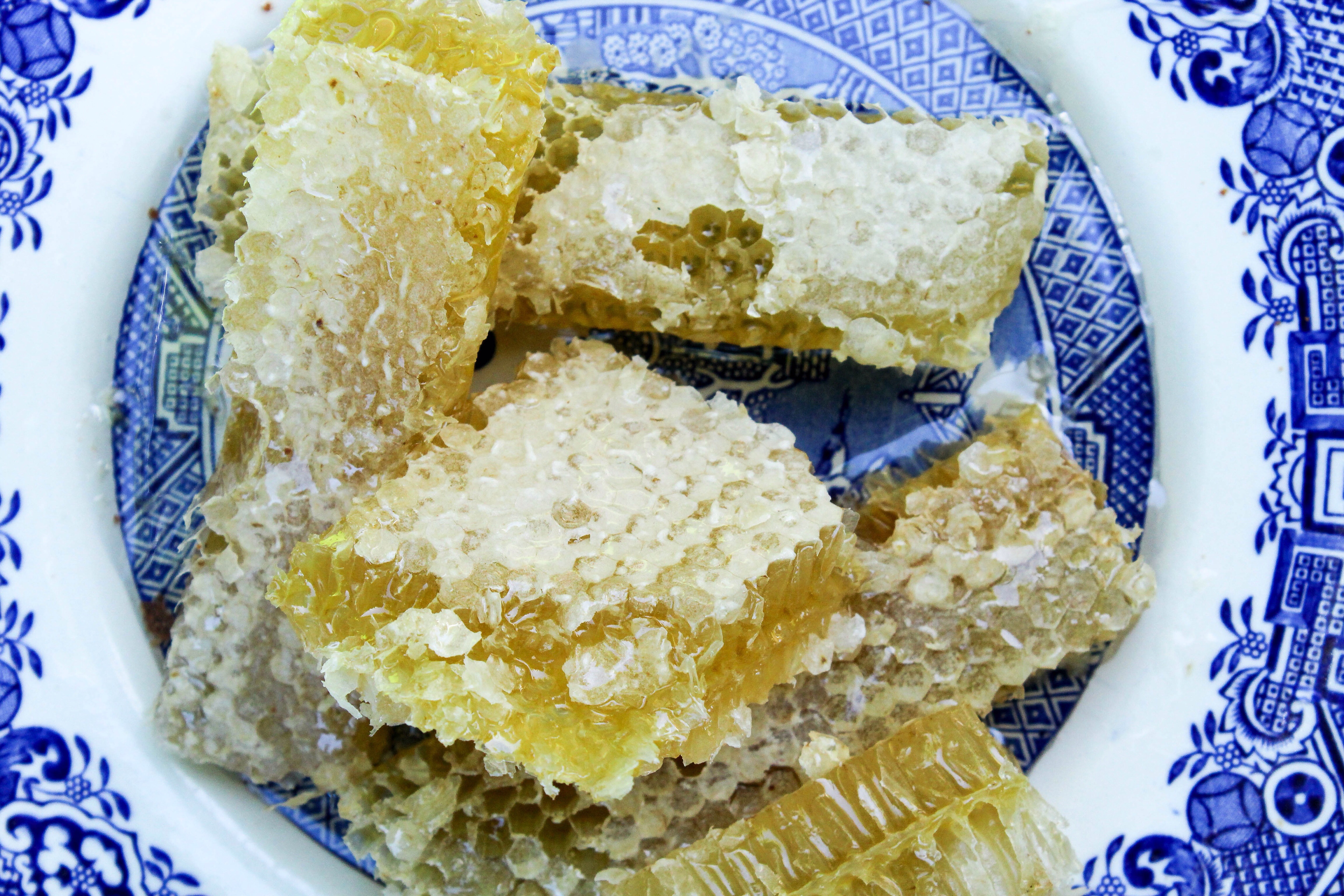
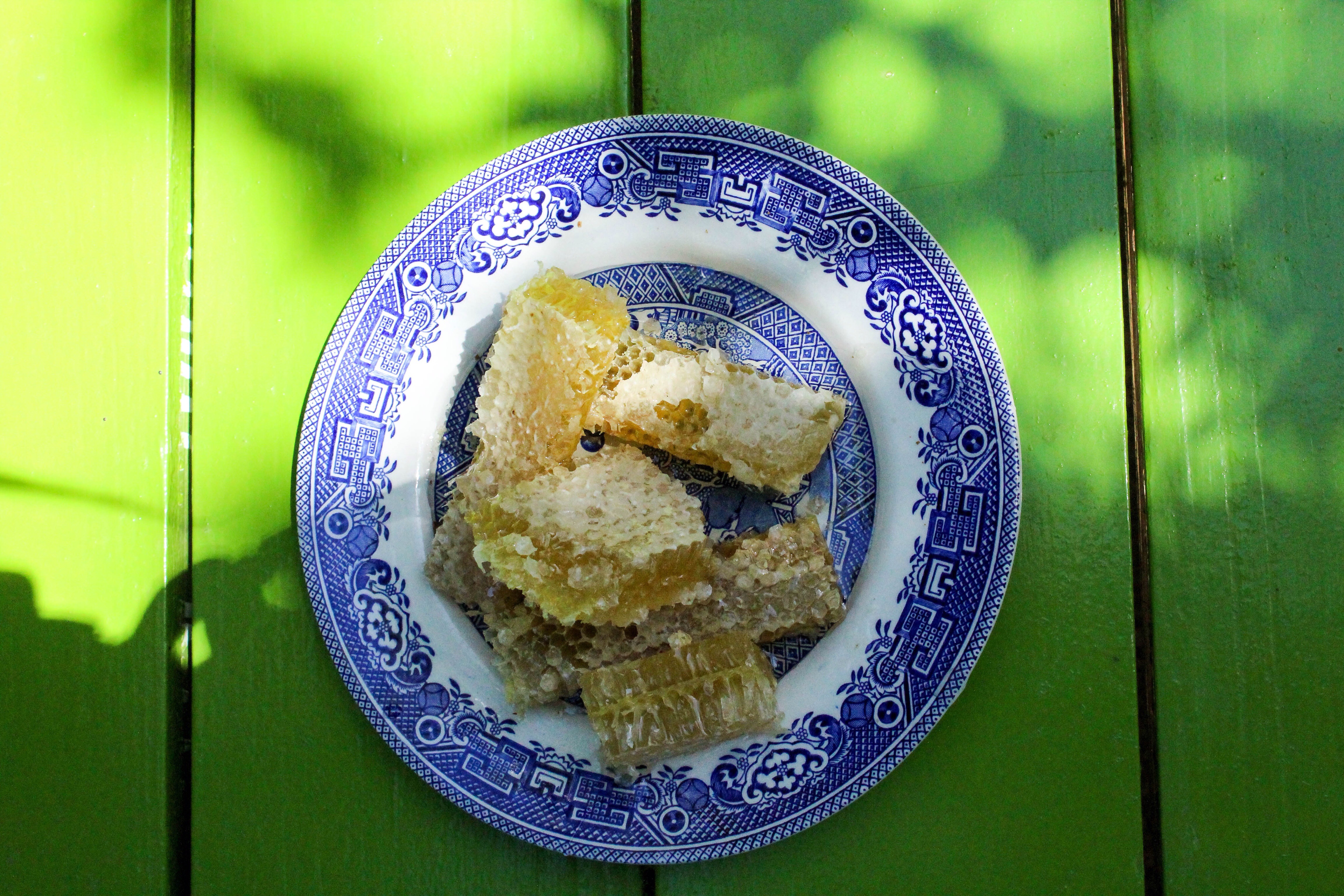
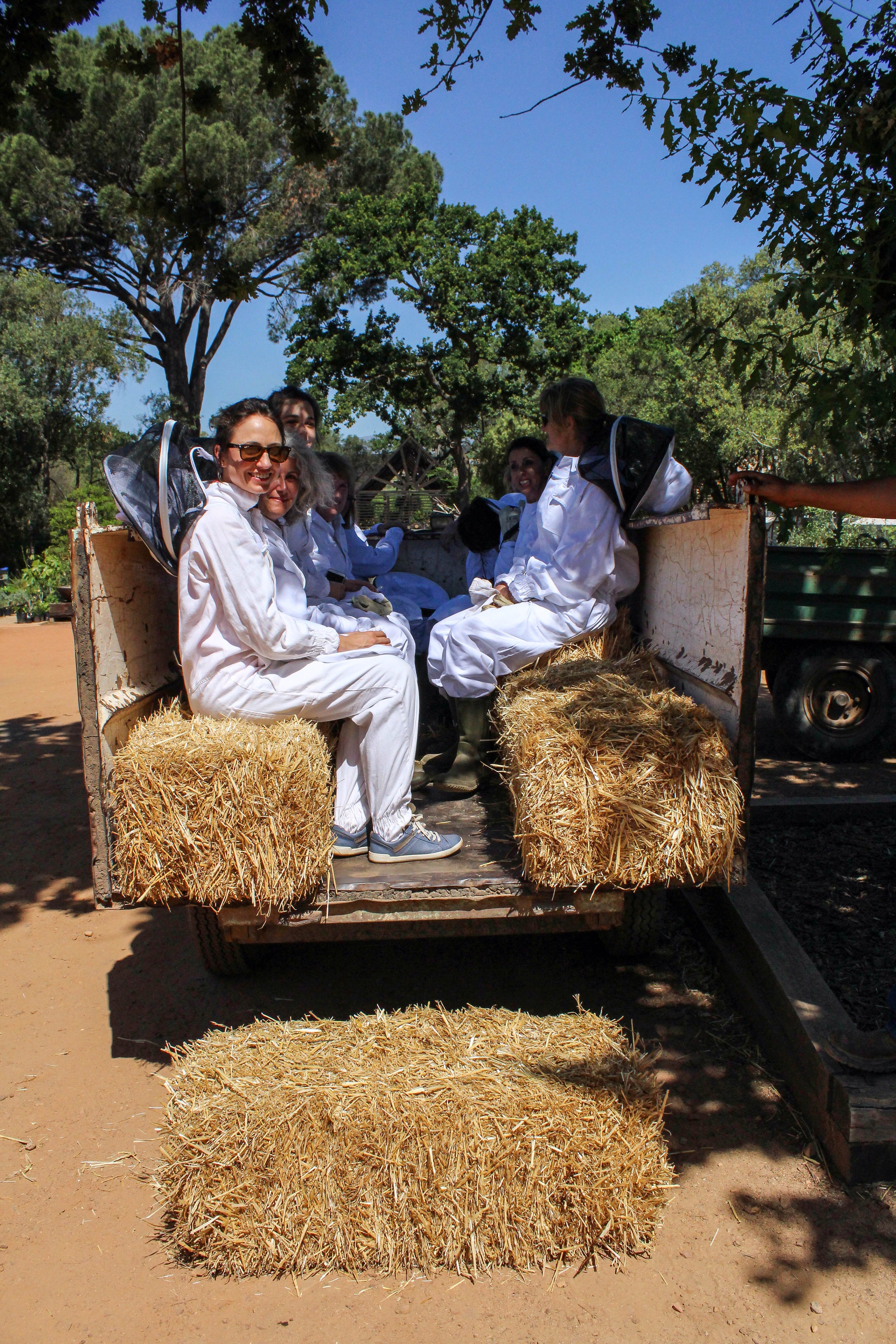
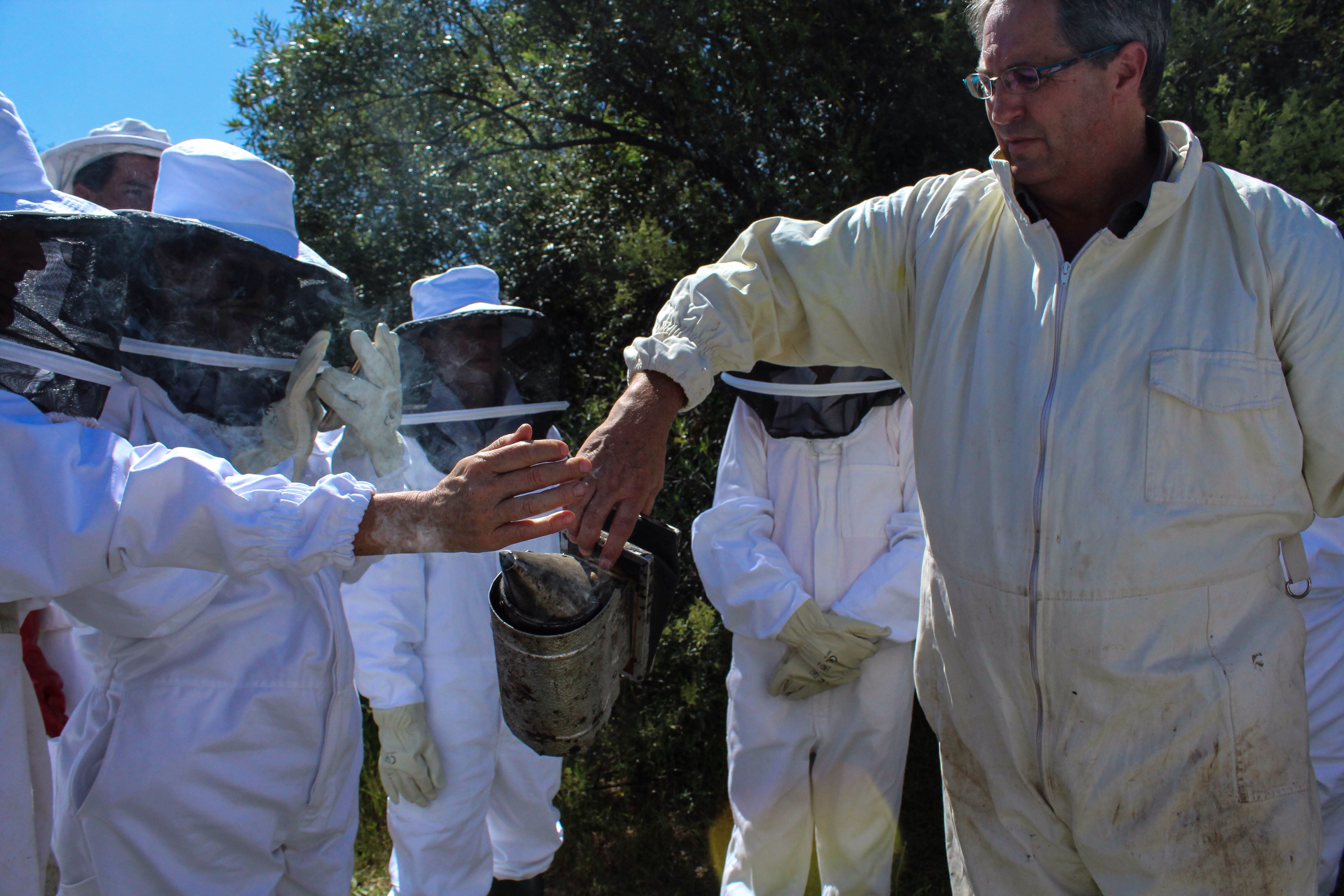
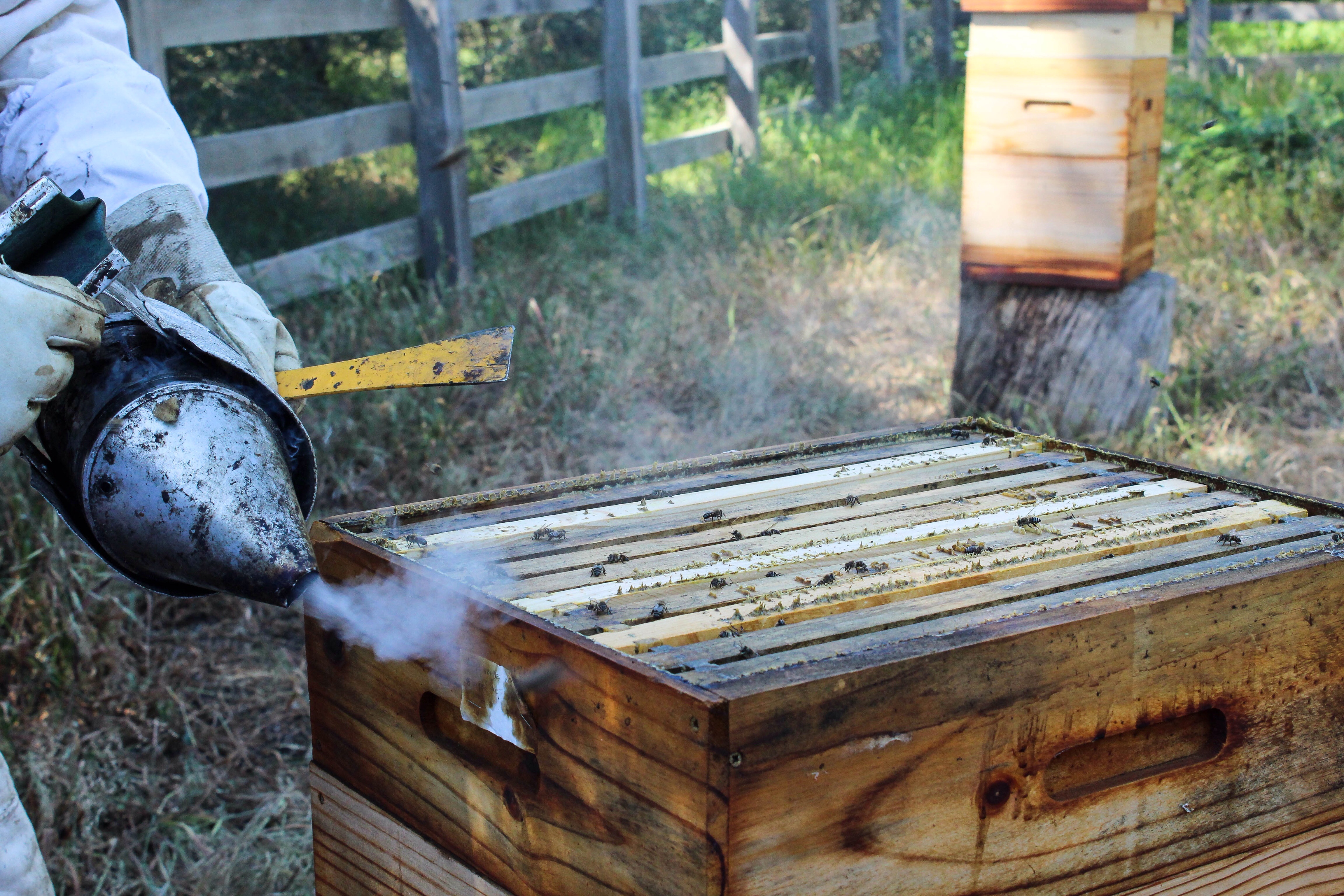
After picking Mike’s brain about all things bees, we headed out to the Greenhouse for an aesthetically appealing lunch, the curried beef, lentil and waterblommetjie pie served was delicious and filing but a tad heavy for that day’s unforgiving heat, but the refreshments on hand, such as their homemade lemonade and iced tea was beyond heavenly, bursting with so much flavour.Using only what is on the farm, the cordials used in the iced tea and lemonade can be purchased at the Farm shop, something I wished I had done before I left to go home! On the table was a platter of freshly gathered seasonal vegetables of which a light and crisp salad was served on the side and as an extra special touch a plate of actual honeycomb with freshly baked bread on the side. I think this was the very first time I ate honeycomb, and what a treat it was! Going back to the loft we all had to be kitted out in beekeeping suits, all suits had to be baggy enough, so the bees couldn’t easily sting us through the suit if it were too tight. Ankles had to be covered up as well, so I brought along my rain boots as recommended by Liesl and Mike. Kitted out and on the back of a truck with hay bales we sat on and admired the scenery as we were chauffeured to the apiary which was about 2km’s from the farm on the same property. Once there, Mike lit the handheld smoker and gave us a run down of do’s and don’ts when lighting the smoker. Tip number 1: Always ensure the smoke that the smoker emits is cool enough, demonstrated by blowing the smoke on your wrist or hand, if it is cool enough for you, then it is safe enough for the bees. Like all things to do with fire, never leave the smoker unattended, this has been done in the past and has been reported to have burned down property, vegetation and even harm/kill the bees.
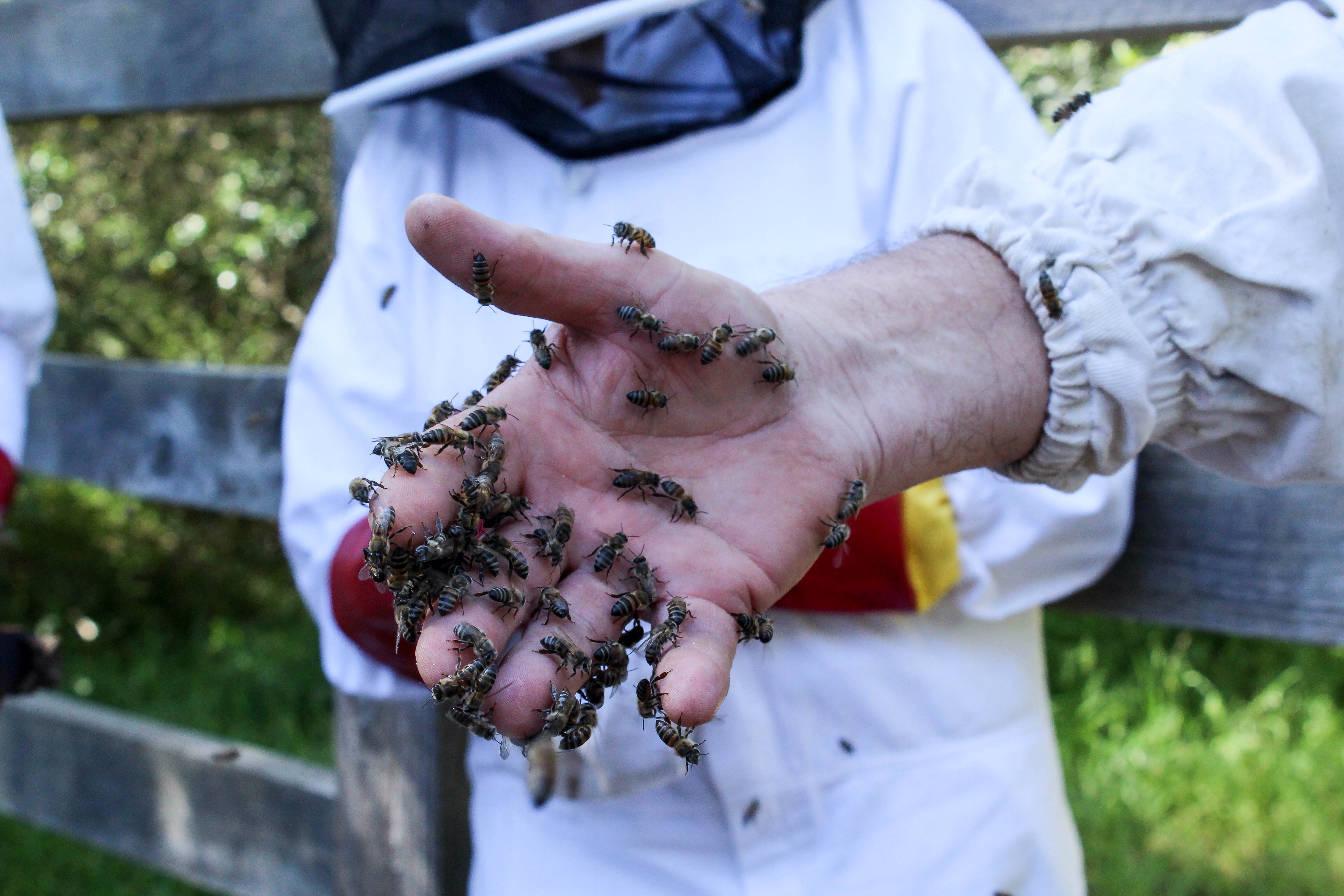
Mike’s hand full of calm and slightly sedated bees. Not to be attempted at home.
Heading into the apiary is quite an experience for the avid bee lover or for someone who wants to get over their fear of bees. The first hive that was opened was rather nervous, but after a few puffs of calming smoke, all was well and the bees seemed a lot more hospitable from the second and third hive. A few of things we spotted was a queen right at the bottom of a hive in a corner, where she would usually be, a worker bee being born, and a few bees feeding. The late afternoon heat was unforgiving and many of us were spent by the time we went to the apiary, but for most of us it will be an experience we will never forget!
Blue skies with a chance of bees!
The workshops take place annually, hosting only two in October, as this is the most convenient time, so as to not disturb the bees or their habitat. I would strongly recommend this insightful workshop to any avid or potential beekeepers, anyone who, like me is passionate about food or anyone looking for more information about bees with a sensory experience and meeting like minded individuals as an added bonus.
A sensory and educational experience it certainly was, I have gained so much insight into bees, their lifestyles, threats against them and their habitats. I definitely have more of an appreciation for bees now more than ever.
I look forward to sharing my next adventure with you!
Dominique x
**This post was not sponsored, all costs for the workshop I have paid for**
 It certainly is beginning to look a lot like Christmas, especially here on Off Beet! These recipes are just some of my favourite menu items that I love to make for special occasions. Because at the end of the day, you should only be making food you love eating. My motto is to keep it simple in the kitchen, no frills kind of cooking.
  I shot and recreated the recipes a few months ago already in preparation for my Food&Home Magazine feature, which was for the ‘Blogger of the Month feature. Just another week or two till you can get the copy off of shelves. I had a lot of fun shooting the recipes and the excitement was something I really couldn’t contain. I don’t own any sort of Christmas decor, so I had to borrow some festive decor from family. I am still buzzing from the feature and feel that this is only the start of a budding career.
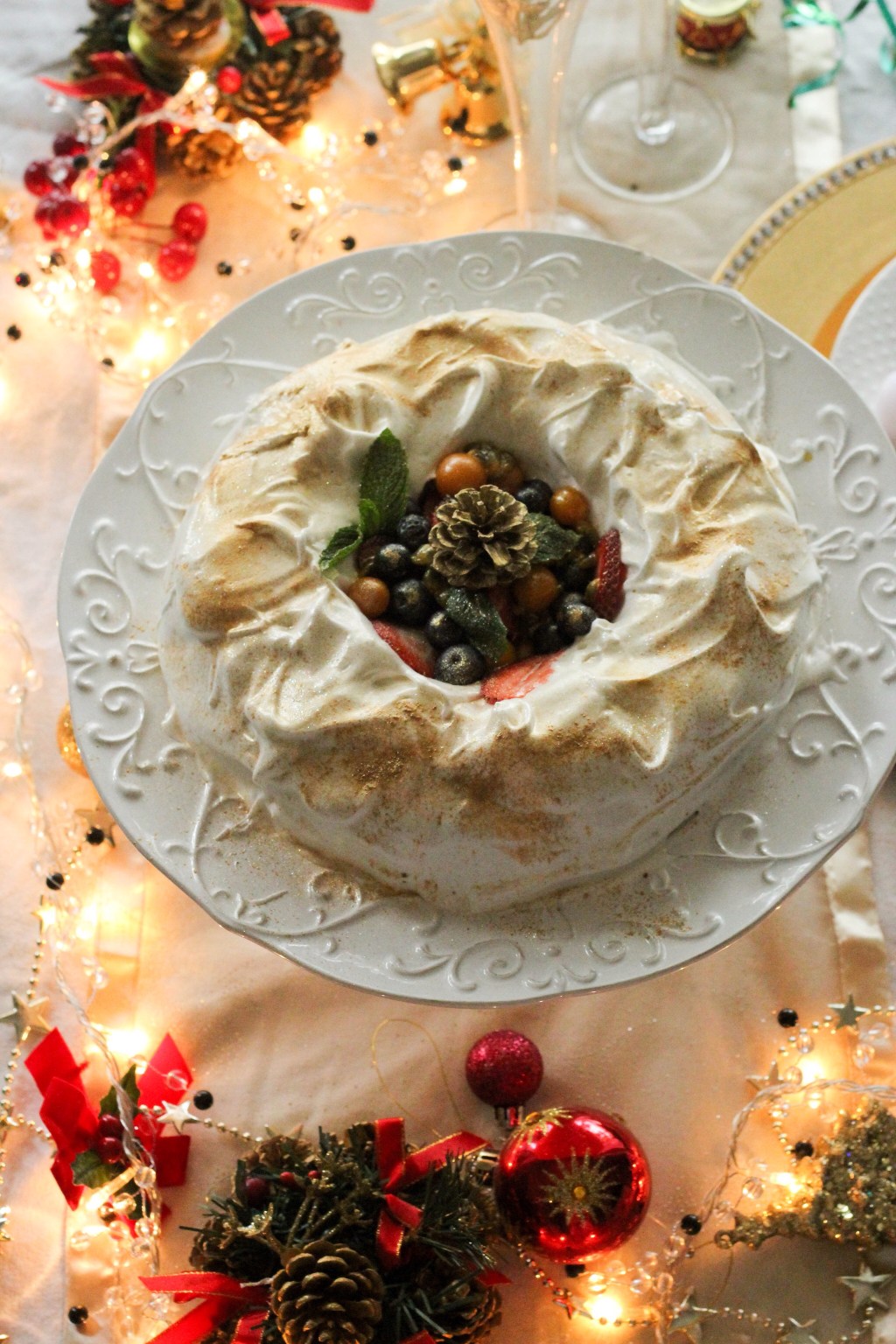
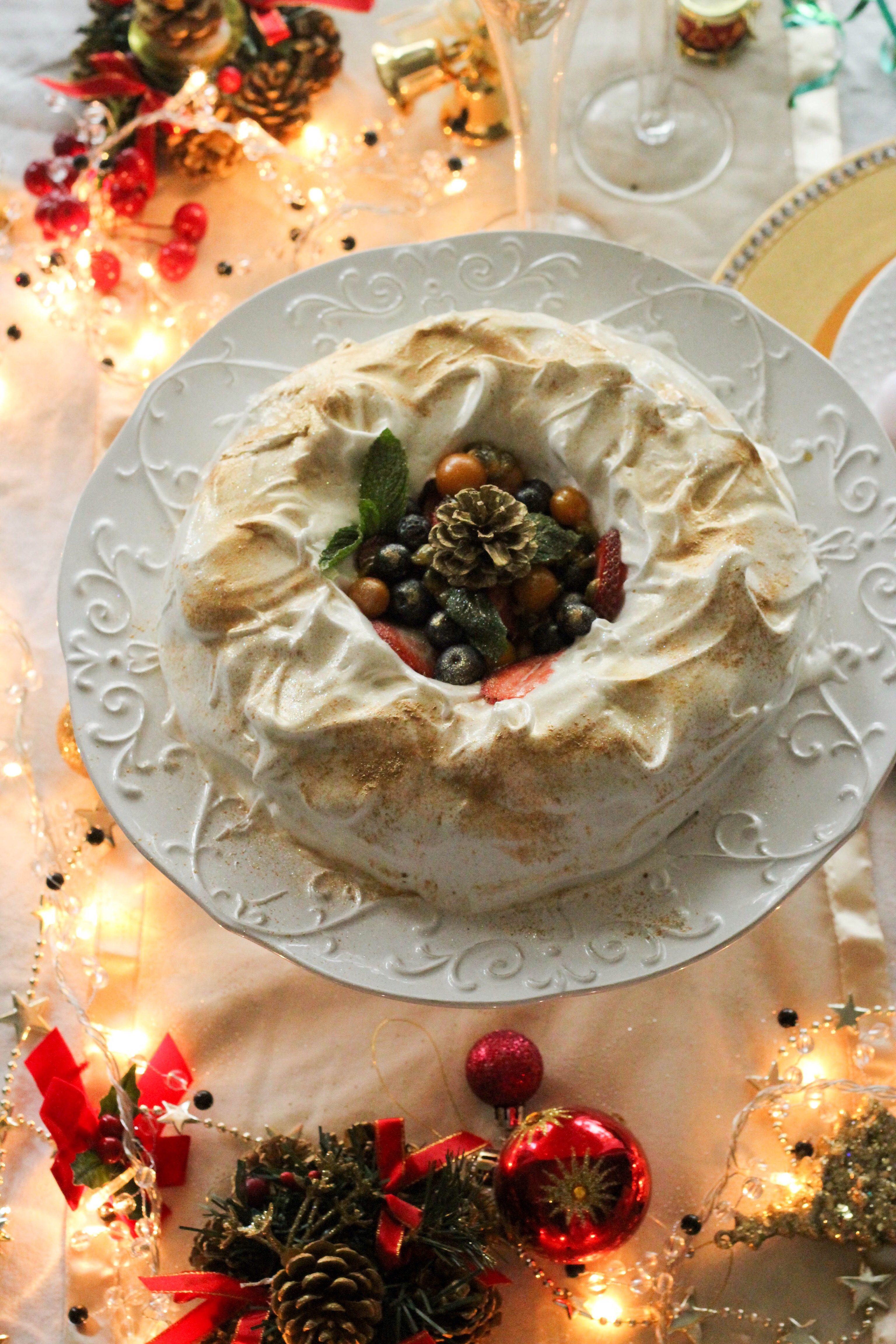
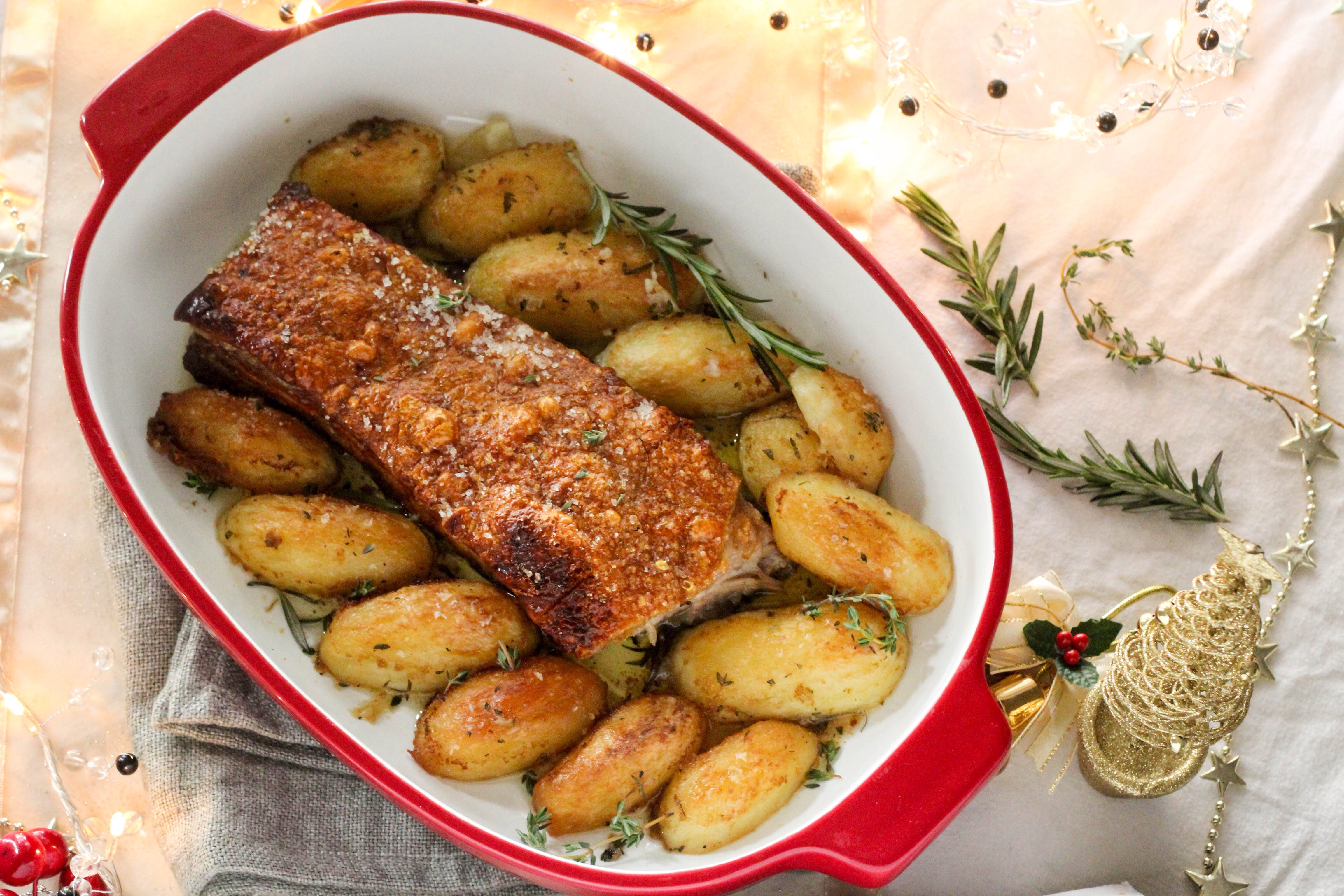 The recipe for the Pork Belly, is from one of my favourite cookbooks, Nopi By Yotam Ottolenghi. Recipe for the Garlic and rosemary Duck Fat roasted potatoes is one I have developed. I love this recipe so much, that it would probably be my last meal on Earth. The recipe for the meringue covered tropical Bundt cake was adapted from Nigella Lawson’s Thyme and Lemon Bundt cake recipes rom the cookbook Simply Nigella, both of which is unfortunately not available online but can both be found in the books. The beetroot cured Salmon, fennel and gooseberry salad is a great option for an entrée.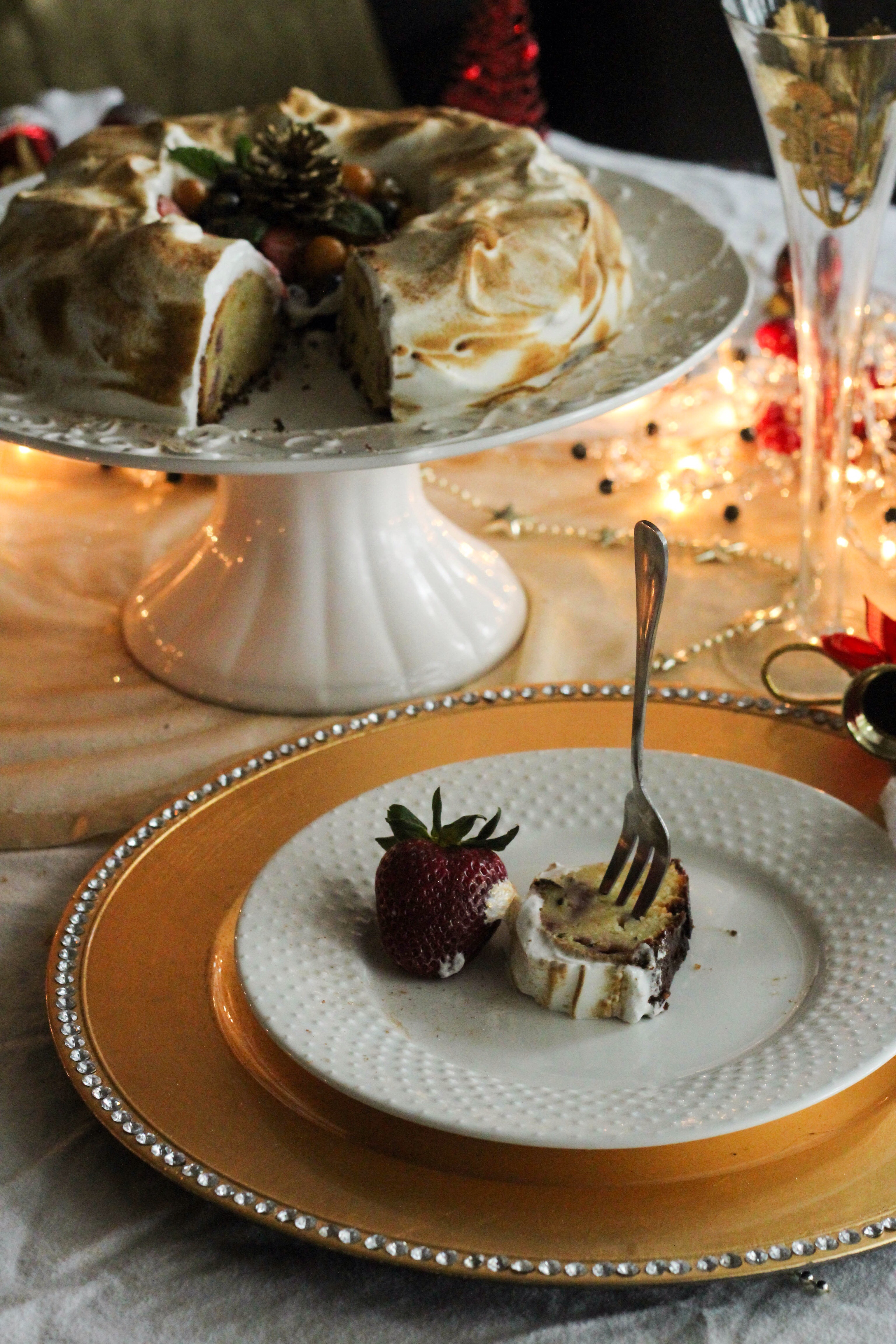
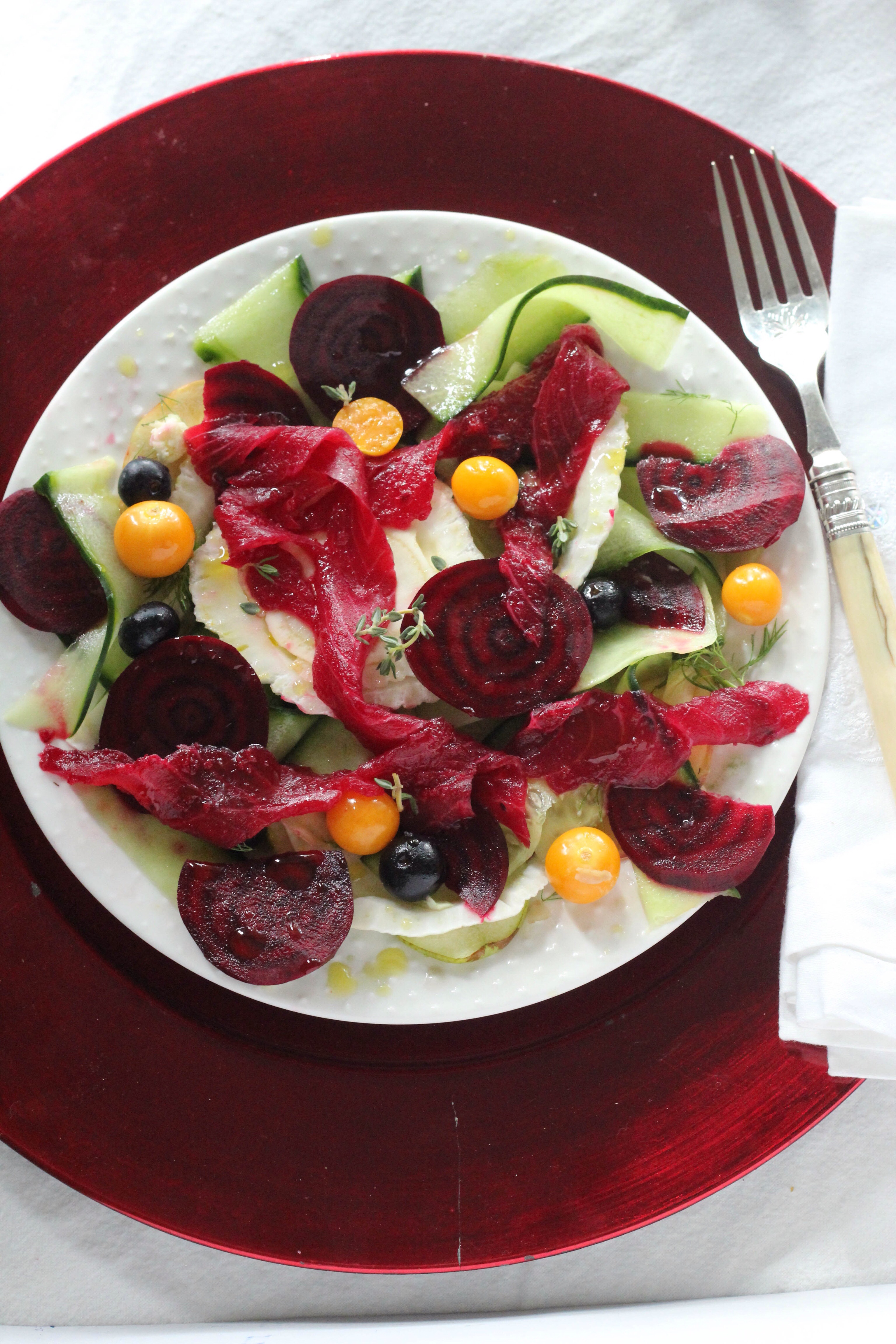 For the beetroot cure, in a food processor or NutriBullet blitz two baby beet roots or one beetroot with a little water to make the mixture watery, place the salmon slices(I had 50g of salmon) in the beetroot mixture with a pinch of salt and a pinch of sugar, leave in the fridge to cure and soak up the beautiful beet colour. Assemble salad and place salmon on top of all ingredients, to add a creamy texture I added Ricotta to the salad.





 The Corkless Mind